
 EN
EN
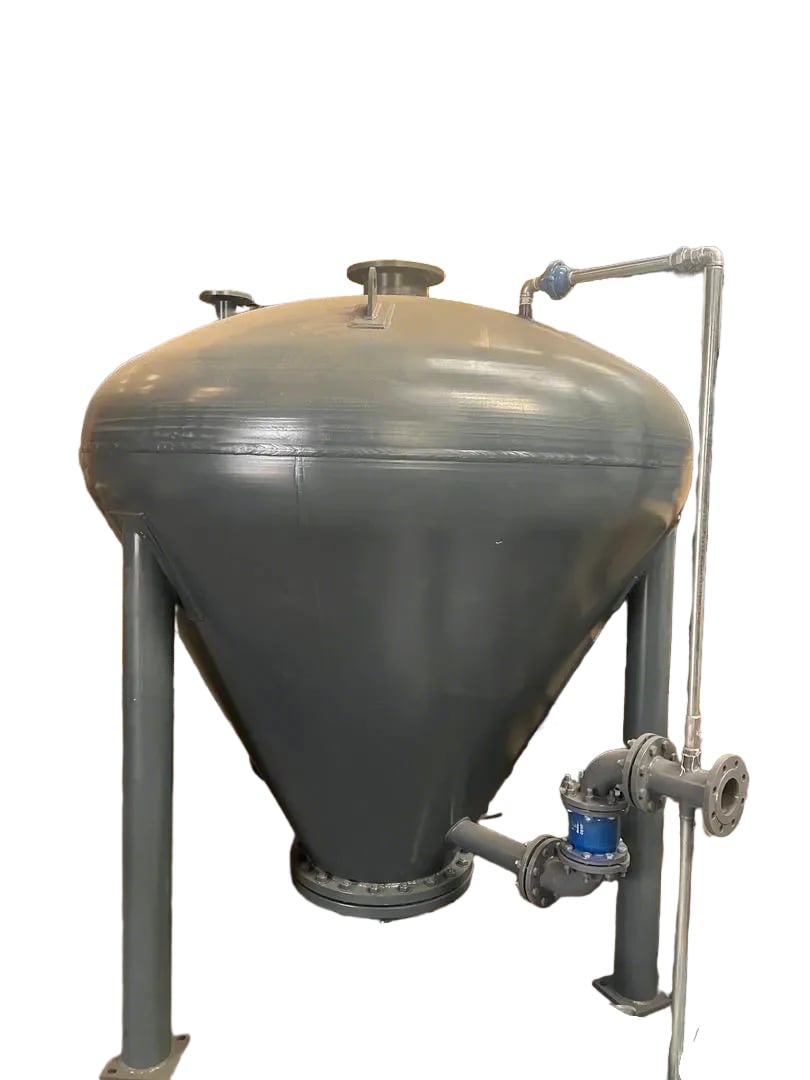
Material loss during production represents a significant hidden cost in industrial operations. Whether through spillage, dust escape, or incomplete transfer, these losses compound across production cycles and directly impact profitability. A pneumatic vacuum conveyor offers a proven solution to this challenge by creating a sealed, controlled environment for material movement. Rather than relying on traditional open-air conveyor systems vulnerable to environmental exposure and spillage, pneumatic vacuum technology captures, transports, and delivers materials with minimal waste.
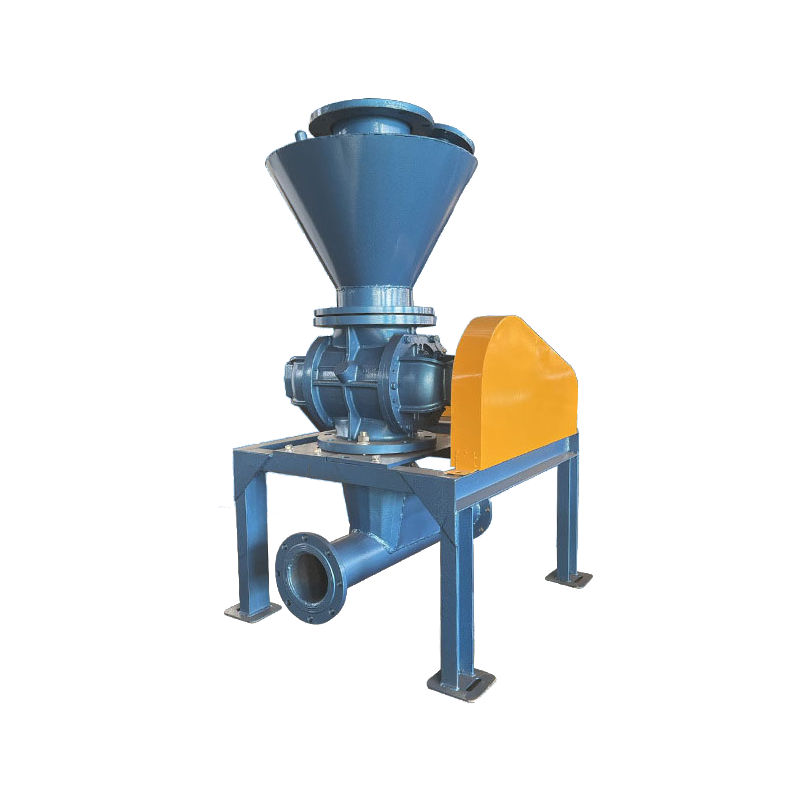
The answer is straightforward: yes, pneumatic vacuum conveyors significantly reduce material loss. However, understanding how they achieve this reduction requires examining the mechanics, design considerations, and practical deployment scenarios. This technology has become essential across food processing, pharmaceuticals, chemicals, and aggregate industries where product integrity and cost efficiency drive operational decisions.
How Pneumatic Vacuum Conveyor Systems Eliminate Loss Points
Sealed Pathway Design and Material Containment
Traditional belt and screw conveyors expose materials to air contact, humidity, and vibration throughout transport. A pneumatic conveyor system design operates differently by enclosing the entire material pathway within closed tubing or ducting. This sealed environment prevents dust escape, moisture absorption, and product degradation. Materials travel through negative pressure lines where suction pulls product from source to destination without external air exposure. For fine powders, granules, and sensitive ingredients, this containment directly translates to measurable product recovery rates.
The vacuum conveying applications industries leverage this feature because sealed transport maintains material purity. Pharmaceutical manufacturers cannot tolerate external contamination, food processors must prevent allergen cross-contamination, and chemical producers need consistent product composition. Each application benefits from the same fundamental advantage: pneumatic material handling equipment specifications prioritize enclosure and control, eliminating spillage zones that plague open-air systems.
Pressure Differential Control and Gentle Handling
Vacuum conveyors operate using carefully calibrated pressure differentials that gently move materials rather than forcing them through systems. This gentle handling reduces particle breakage, bridging, and separation of mixed components. When material doesn't shatter or degrade during transport, the amount reaching final destination increases. Industries processing fragile ingredients like spices, granulated pharmaceuticals, or specialty feeds depend on maintaining particle integrity. Lower pressure gradients prevent the violent acceleration that damages products in traditional pneumatic conveyor system design alternatives.
The vacuum conveying applications industries in food processing particularly benefit from this gentleness. Coffee beans, cocoa nibs, and grain kernels arrive at processing stations intact rather than crushed. Reduced fines and dust byproducts mean less waste material requiring disposal and less product loss from inadequate extraction.
Quantifiable Loss Reduction in Industrial Settings
Measuring Material Recovery and Cost Impact
Real-world implementation of pneumatic material handling equipment specifications demonstrates loss reduction ranging from 3% to 8% compared to conventional conveyor systems. For high-volume operations, these percentages translate into substantial financial recovery. A facility processing 100 tons daily of specialty ingredients recovers 3 to 8 tons monthly that would otherwise be lost. Over a year, this accumulates to 36 to 96 tons of recovered product—inventory that generates revenue rather than waste disposal expense.
Beyond direct product recovery, pneumatic vacuum conveyor systems reduce secondary losses. Cleanup labor decreases because spilled material no longer accumulates around transfer points. Environmental compliance becomes easier when fugitive emissions diminish through sealed conveying. Regulatory fines for dust emissions and potential sanctions for product loss events become less likely. The combined financial benefit exceeds the recovery value alone, making the pneumatic conveyor system design investment compelling from multiple cost-control angles.
Integration with Production Quality Metrics
Vacuum conveying applications industries track material loss as a quality performance indicator. Consistent transport through sealed pneumatic material handling equipment specifications correlates directly with reduced variability in finished product specifications. Customers receive more consistent batch composition because transport doesn't introduce compositional drift. This consistency commands premium pricing and reduces return rates, further multiplying the financial benefit of pneumatic vacuum conveyor adoption.
Production facilities implementing these systems typically report 15% to 20% improvement in overall yield metrics within the first six months of operation. This improvement stems not just from reduced spillage but from improved traceability, fewer recycles, and faster troubleshooting when quality issues arise. The sealed pneumatic conveyor system design provides inherent documentation through system monitoring, making it easier to identify loss sources before they become chronic problems.
Implementation Considerations and System Selection
Matching Vacuum Conveying Applications to Equipment Specifications
Selecting appropriate pneumatic material handling equipment specifications requires understanding material characteristics, facility layout, and production throughput. Density, particle size distribution, moisture content, and material flow properties all influence vacuum conveyor performance. Dense, free-flowing materials move efficiently through standard pneumatic conveyor system design configurations, while sticky or hygroscopic materials demand specialized filter systems and material conditioning.
Facility constraints shape the decision between dilute-phase and dense-phase vacuum conveying applications industries. Dilute-phase systems work well for lower volumes and longer distances, while dense-phase designs excel at moving difficult materials and maximizing product integrity. Understanding these distinctions ensures the pneumatic vacuum conveyor installation matches actual production needs rather than generic assumptions.
Maintenance and Long-Term Loss Prevention
Vacuum conveying applications industries benefit from reduced maintenance demands compared to mechanical conveyor systems. Without moving belts or complex gear mechanisms, pneumatic conveyor system design minimizes scheduled downtime. However, filter maintenance becomes critical—clogged collection filters impair system performance and can cause backup that creates spillage at source points. Preventive filter replacement, seal inspection, and vacuum level monitoring keep pneumatic material handling equipment specifications functioning optimally throughout equipment life.
Properly maintained systems preserve their material recovery performance consistently. This reliability makes loss reduction predictions reliable for budgeting and financial planning. Facilities can confidently forecast inventory levels and calculate expected yield improvements when pneumatic vacuum conveyor systems operate under disciplined maintenance protocols.
FAQ
What types of materials work best with pneumatic vacuum conveyor systems?
Free-flowing powders, granules, beans, and pellets transfer efficiently through pneumatic vacuum conveyor technology. Materials including coffee, cocoa, grains, spices, pharmaceutical powders, and plastic pellets show excellent recovery rates. Sticky or moist materials require specialized pneumatic conveyor system design with enhanced filtration and material conditioning. The vacuum conveying applications industries most successful with standard systems handle materials with flow properties between 5 and 50 micrometers particle size and moisture content below 12%.
How much does material loss typically reduce after installing a pneumatic conveyor system?
Most facilities report 3% to 8% reduction in material loss within the first operational month after pneumatic material handling equipment specifications are implemented. This reduction stabilizes as operators gain experience and optimize system settings. Over a 12-month period, facilities processing high volumes recover 4% to 6% of annual throughput as product rather than waste. The actual percentage depends on facility baseline performance, material characteristics, and production volume—operations with poor spillage control before installation typically see higher recovery percentages than those already using containment strategies.
Can existing production layouts accommodate a pneumatic vacuum conveyor system?
Flexible ducting and modular design in modern pneumatic conveyor system design allows installation in most existing facilities without major layout modifications. Suction lines route overhead, under floors, or through walls to match facility geometry. Vacuum conveying applications industries frequently retrofit systems into operations designed around conventional conveyors. The primary consideration involves ensuring adequate space for collection filters and vacuum pump equipment—typically a footprint under 50 square meters for standard industrial operations. Consulting with pneumatic material handling equipment specifications providers during planning ensures compatibility with existing infrastructure.