
 EN
EN
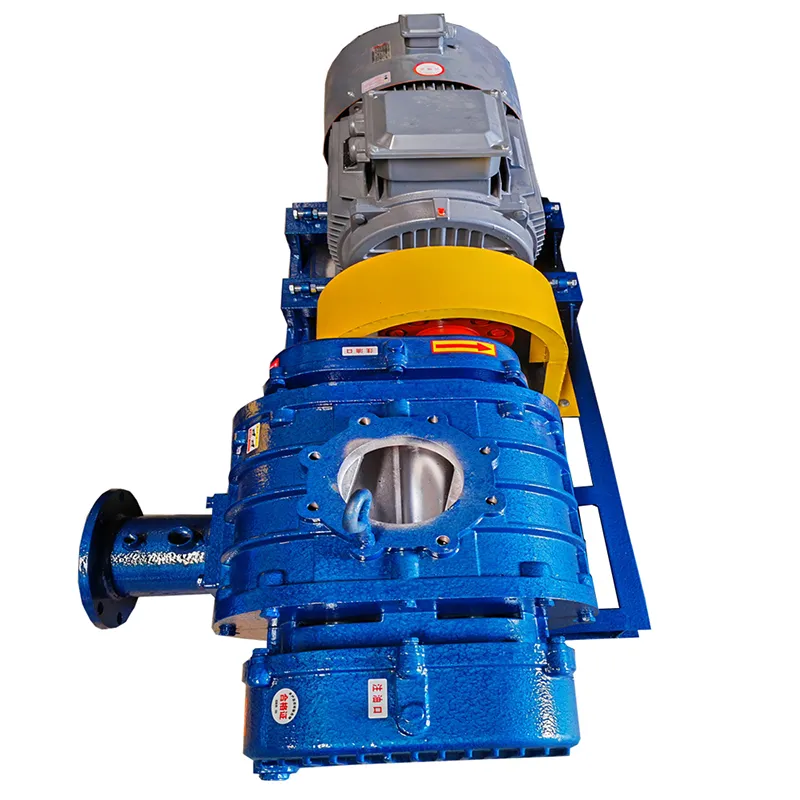
The question of whether a turbo air blower can replace conventional blowers in industrial systems is increasingly relevant as manufacturing facilities seek efficiency improvements and cost optimization. Modern industrial operations rely heavily on reliable air movement technology, and the emergence of advanced blower designs has created genuine alternatives to traditional equipment. Understanding the capabilities, limitations, and suitability of turbo air blowers requires careful examination of technical performance, operational demands, and system compatibility factors.
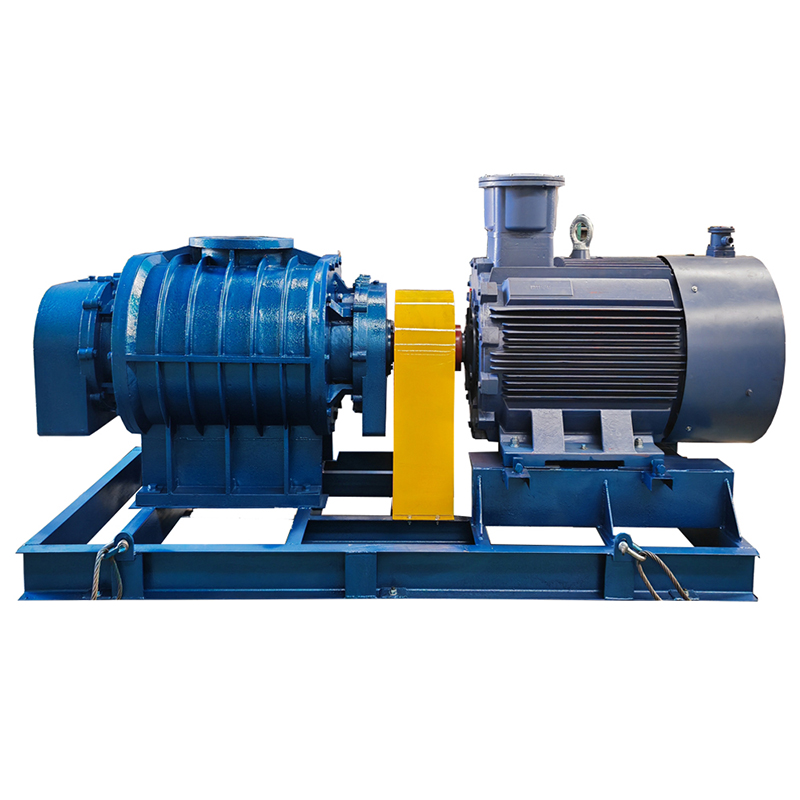
Replacement decisions in industrial environments demand comprehensive technical analysis rather than assumption-based choices. A turbo air blower operates on different aerodynamic principles than conventional centrifugal blower designs, which affects pressure generation, flow rates, energy consumption, and maintenance requirements. Success depends on matching the specific turbo air blower capabilities to your existing system requirements and understanding where performance specifications create advantages or constraints.
Understanding Turbo Air Blower Capabilities and Design Differences
Core Performance Characteristics of Turbo Air Blowers
Turbo air blowers employ impeller designs that prioritize efficiency across specific operating ranges. Unlike traditional centrifugal blower models that favor high-pressure generation, turbo designs typically deliver consistent airflow with moderate pressure increases. The centrifugal blower performance specifications for conventional units often emphasize maximum pressure capacity, whereas turbo configurations balance pressure delivery with energy efficiency and reduced operational noise. This distinction means replacement feasibility depends entirely on your pressure and flow requirements rather than blower type preference.
The compact construction of most turbo air blower units offers installation advantages in space-constrained environments. Traditional blowers often require extensive piping and mounting infrastructure, while turbo designs integrate more efficiently into existing layouts. Centrifugal blower performance specifications typically demand precise alignment and vibration isolation measures, whereas turbo variants generally accommodate less rigorous installation protocols. However, this advantage disappears if your existing system already accommodates current equipment without constraints.
Pressure and Flow Performance Comparison
Evaluating whether a turbo air blower suits your application requires direct comparison against documented pressure and airflow needs. Industrial air blower applications demanding continuous high-pressure output—such as pneumatic conveying, sandblasting, or intensive drying—may exceed typical turbo air blower performance envelopes. Conversely, applications requiring moderate pressure with consistent, efficient airflow represent ideal replacement scenarios. Understanding your current system's actual operating point versus maximum design capacity reveals replacement potential accurately.
Energy consumption differences between turbo and conventional designs significantly impact long-term operational costs. High pressure air blower maintenance demands increase with conventional units operating near maximum capacity, whereas turbo variants maintain efficiency within their design parameters. Industrial air blower applications in facilities operating equipment continuously benefit measurably from adopting turbo technology when pressure requirements permit such transitions.
High Pressure Air Blower Maintenance and Operational Considerations
Maintenance Demands and System Reliability
High pressure air blower maintenance protocols differ substantially between turbo and conventional designs. Conventional blowers operating at maximum pressure capacity experience accelerated wear on bearings, seals, and impeller surfaces. Turbo air blower systems optimized for moderate pressure ranges typically require less frequent maintenance interventions and lower consumable replacement costs. Facilities managing centrifugal blower performance specifications should recognize that operating conditions push equipment toward reliability limits, necessitating intensive monitoring and preventive maintenance schedules.
The serviceability aspects of turbo air blower replacement options merit careful evaluation. Some facilities operate proprietary conventional blower systems with unique component specifications, making cross-compatibility with standard turbo models challenging. High pressure air blower maintenance documentation often includes system-specific procedures that cannot transfer to alternative equipment. Before committing to replacement, verify whether your technical team can access turbo air blower service information, parts availability, and qualified technician support within your operational region.
Operating Envelope and System Integration
Industrial air blower applications encompass diverse operational profiles that determine replacement viability. Applications requiring variable pressure output throughout operating cycles may struggle with turbo designs engineered for consistent performance within narrower bands. Conventional centrifugal blower performance specifications often accommodate wider operating ranges, making them suitable for versatile industrial environments. Understanding your equipment's actual demand patterns—measured across peak demand, normal operation, and idle periods—reveals whether turbo air blower operating characteristics align with real requirements.
Replacement decisions must account for downstream system impacts. If existing pneumatic equipment, control systems, or process pipelines depend on pressure regulation mechanisms designed for conventional blower output, turbo air blower integration may necessitate ancillary modifications. These secondary costs sometimes exceed equipment replacement savings, changing the economic justification entirely. Comprehensive system auditing prevents post-installation complications and ensures turbo air blower adoption delivers expected performance improvements.
Industrial Air Blower Applications and Replacement Strategy
Sector-Specific Suitability Assessment
Industrial air blower applications span numerous sectors with distinct operational demands. Printing and packaging facilities frequently operate equipment tolerant of moderate pressure variations, positioning these environments favorably for turbo air blower replacement. Textile manufacturing, food processing, and climate control applications represent additional sectors where turbo designs demonstrate strong compatibility. Conversely, pneumatic tool operations, precision cleaning systems, and high-pressure cleaning applications typically require conventional centrifugal blower performance specifications that exceed standard turbo air blower capabilities.
Facility-specific factors influence replacement decisions as significantly as industry classification. An industrial air blower applications assessment must examine installed equipment, process criticality, backup system availability, and maintenance infrastructure. Facilities with multiple blowers can implement turbo air blower transitions incrementally, reducing disruption and enabling performance comparison before complete conventional equipment replacement. This staged approach builds confidence while preserving operational continuity during adoption phases.
Economic and Operational Justification
Replacement justification extends beyond equipment acquisition costs to encompass energy consumption, maintenance expenses, and productivity impacts. Turbo air blower systems operating within optimized pressure ranges consume approximately 15–25 percent less energy than conventional designs operating at comparable throughput. For facilities running air blowers continuously, these efficiency gains translate to substantial annual savings. High pressure air blower maintenance cost reductions reinforce economic advantages, though specific savings depend on your current system's operational intensity and maintenance history.
Risk assessment must precede replacement commitment. Industrial air blower applications supporting mission-critical processes warrant conservative transitions incorporating performance verification and rollback capabilities. Facilities prioritizing operational stability over maximum efficiency gains should maintain conventional centrifugal blower performance specifications unless turbo alternatives demonstrate documented compatibility. The replacement decision ultimately reflects your facility's risk tolerance, capital availability, and performance priorities rather than universal suitability.
FAQ
Can a turbo air blower handle the same pressure requirements as conventional blowers?
Turbo air blower systems typically handle moderate pressure applications effectively, but maximum pressure capabilities often fall below conventional centrifugal blower performance specifications. Whether replacement proves viable depends entirely on your actual operating pressure requirements versus design maximums. Many facilities discover their systems operate well below maximum conventional blower capacity, making turbo alternatives fully adequate. Professional pressure assessment reveals whether turbo air blower performance characteristics align with your specific demands rather than theoretical maximums.
What maintenance differences should I expect when switching from conventional to turbo air blower systems?
High pressure air blower maintenance demands typically decrease significantly with turbo air blower adoption. Conventional designs operating at elevated pressures experience accelerated bearing wear, seal deterioration, and impeller damage requiring frequent intervention. Turbo air blower systems optimized for their operating range experience gentler component stress, translating to extended maintenance intervals and lower consumable replacement costs. Your facility's current high pressure air blower maintenance budget often decreases by 30–40 percent post-conversion, though specific savings depend on equipment age and prior maintenance practices.
What industrial air blower applications work best with turbo designs?
Industrial air blower applications featuring consistent demand, moderate pressure requirements, and continuous operation represent ideal turbo air blower candidates. Packaging, textile processing, material handling, and climate control systems demonstrate strong compatibility. Applications demanding intermittent high-pressure bursts or requiring rapid pressure fluctuations typically remain better served by conventional centrifugal blower designs. Comprehensive system evaluation identifying your actual operating profile ensures realistic replacement decisions rather than generic assumptions about turbo air blower suitability.