
 EN
EN
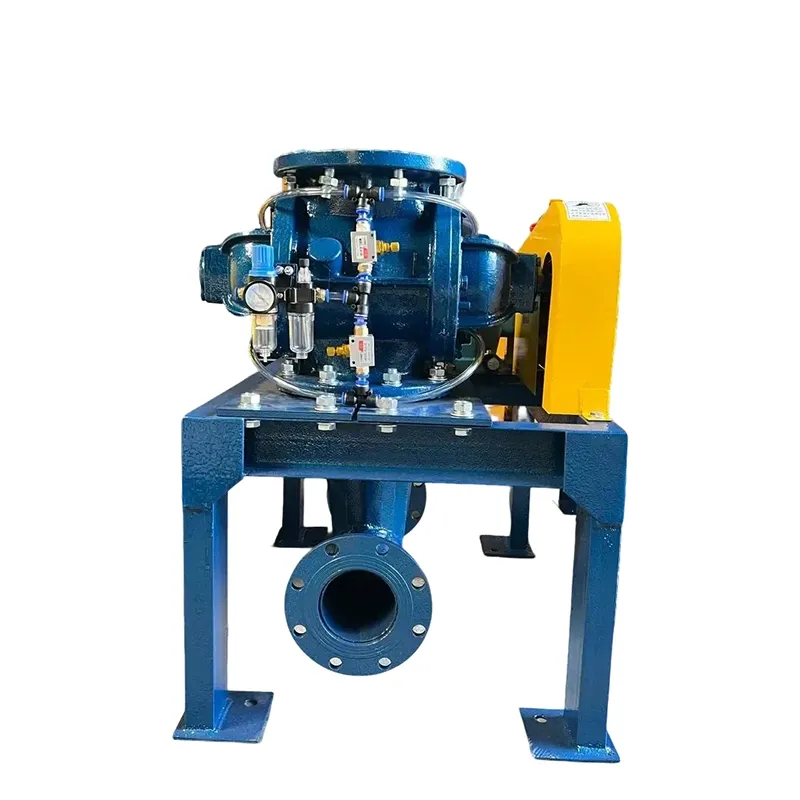
Manufacturing facilities operate under constant pressure to improve productivity while controlling operational costs. A rotary lobe blower has become an essential component in modern production lines, delivering consistent airflow and pressure for critical pneumatic applications. These positive displacement machines are engineered to handle demanding industrial environments where reliability directly impacts throughput and profitability.
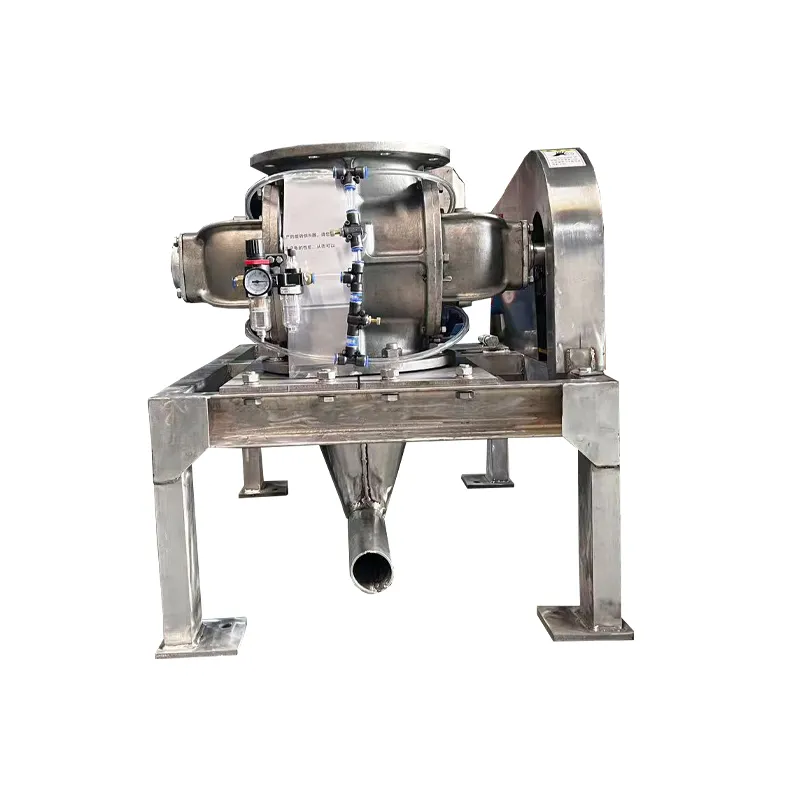
Understanding how rotary lobe blowers enhance efficiency across your manufacturing operations requires examining their fundamental design, operational advantages, and integration strategies. By optimizing blower selection and maintenance practices, manufacturers can achieve significant gains in energy performance, reduce system downtime, and improve overall equipment effectiveness across production workflows.
Core Design and Positive Displacement Principle
How Rotary Lobe Technology Works
A rotary lobe blower operates on the positive displacement principle, moving a fixed volume of air through each rotation cycle. The two rotating lobes compress and discharge air consistently, creating steady pressure and flow rates independent of downstream resistance. This predictable behavior makes positive displacement blower applications ideal for processes requiring constant pneumatic force, such as conveying systems, vacuum packaging, and aeration equipment.
The synchronized rotation of paired lobes ensures minimal pulsation and smoother airflow compared to alternatives. Unlike centrifugal designs that rely on speed-dependent performance, rotary lobe blowers maintain rated capacity across varying operating conditions, delivering reliable output whether loads are heavy or light. This inherent characteristic significantly reduces the need for pressure regulation and flow compensation in downstream equipment.
Energy Efficiency at Peak Performance
Modern rotary lobe blower designs incorporate advanced bearings, optimized lobe profiles, and precision manufacturing to minimize friction losses and internal leakage. When properly sized for specific applications, these units operate near their design point, consuming less energy per unit of air delivered. Manufacturers benefit from reduced electricity consumption, lower cooling requirements, and extended bearing life when rotary lobe blowers are correctly integrated into their systems.
The positive displacement nature ensures that throttling or bypass dampers rarely become necessary, eliminating energy waste from pressure relief mechanisms. This efficiency advantage becomes increasingly valuable in high-volume operations where rotary lobe blower maintenance and troubleshooting costs are offset by lower power bills and reduced thermal stress on mechanical components.
Manufacturing Applications and Performance Gains
Pneumatic Conveying and Material Transport
Rotary lobe blowers excel in pneumatic conveying applications where consistent pressure and volume are critical. Whether transporting granules, powders, or lightweight materials through pipeline systems, positive displacement blower applications deliver steady force that prevents material settling and maintains flow momentum. Manufacturing lines using these systems experience fewer blockages, less product degradation, and improved throughput compared to variable-speed alternatives.
The ability to maintain performance across long pipe runs and multiple branch points makes rotary lobe blower technology superior for complex conveying networks. As material loads fluctuate throughout the production cycle, the blower continues providing consistent airflow without requiring operator adjustment or system compensation, freeing facility managers to focus on core production challenges rather than blower regulation.
Vacuum and Aeration Processes
Manufacturing processes requiring vacuum generation or aeration benefit from rotary lobe blower versatility. Whether creating negative pressure for packaging operations or aerating water treatment systems within facility grounds, these machines provide reliable performance in both discharge and suction modes. The positive displacement principle ensures predictable vacuum levels, enabling manufacturers to standardize process parameters and improve product quality consistency.
Industrial cooling towers, wastewater treatment systems, and pneumatic lift tables integrated into production floors all rely on rotary lobe blower reliability. When compared against rotary lobe blower vs centrifugal blower alternatives, the positive displacement design maintains performance at lower speeds, reducing noise emissions and vibration issues that commonly affect factory environments. This operational smoothness contributes to better working conditions and improved workforce productivity.
Rotary Lobe Blower vs Centrifugal Blower Selection
Understanding the distinction between rotary lobe blower vs centrifugal blower technology helps manufacturers choose equipment aligned with their specific requirements. Rotary lobe designs deliver consistent flow across varying pressure conditions, making them ideal for applications with fluctuating downstream resistance. Centrifugal blowers, by contrast, provide variable flow dependent on discharge pressure, requiring more sophisticated control systems to maintain steady output.
For applications requiring constant volume delivery, rotary lobe blower performance consistently outperforms centrifugal alternatives in terms of reliability and operational simplicity. Manufacturers selecting between technologies should consider whether their process demands steady-state flow or whether variable output can be accommodated through system design. The positive displacement characteristics of rotary lobe units make them particularly valuable in facilities where multiple production lines share compressed air or conveying systems.
Maintenance Strategy and System Longevity
Preventive Maintenance Best Practices
Rotary lobe blower maintenance and troubleshooting begins with establishing consistent inspection routines and documentation protocols. Regular monitoring of operating temperature, vibration levels, and discharge pressure helps identify developing issues before they cause equipment failure or production interruption. Most rotary lobe blower maintenance tasks involve checking bearing condition, verifying oil levels, cleaning intake filters, and inspecting seals for signs of wear or degradation.
Proper lubrication is critical for rotary lobe blower maintenance and troubleshooting success. Maintaining correct oil type and viscosity ensures smooth lobe rotation, reduces internal friction, and extends bearing service life significantly. Facilities implementing quarterly oil analysis programs can detect contamination or viscosity breakdown early, preventing catastrophic failure and extending intervals between major overhauls.
Troubleshooting Common Operating Issues
When rotary lobe blower performance deteriorates, technicians should systematically evaluate intake conditions, discharge line restrictions, and internal component wear. Rising operating temperature often indicates bearing friction or internal leakage requiring immediate attention through rotary lobe blower maintenance and troubleshooting protocols. Reduced discharge pressure suggests seal degradation or lobe wear requiring detailed inspection and component replacement.
Excessive noise or vibration during rotary lobe blower operation typically points to bearing wear, lobe timing drift, or mounting base looseness. Addressing these issues promptly through systematic troubleshooting prevents cascading damage to connected equipment and maintains production line stability. Manufacturers who document maintenance history and correlate performance changes with operating hours can predict component failure risk and schedule overhauls during planned downtime rather than experiencing emergency breakdowns.
Strategic Integration and Performance Optimization
System Design for Maximum Efficiency
Optimizing rotary lobe blower efficiency requires careful attention to intake design, discharge piping, and system pressure settings. Manufacturers should ensure intake filters remain clean and that piping configurations minimize pressure drop between the blower and point-of-use equipment. When positive displacement blower applications are properly sized to match actual demand rather than theoretical peak requirements, energy consumption decreases substantially without compromising performance.
Variable frequency drives paired with rotary lobe blower installations allow operators to adjust speed and reduce power consumption during low-demand periods. This approach maintains the consistent pressure characteristics that make rotary lobe technology valuable while capitalizing on energy savings from reduced motor speed. Manufacturing facilities with variable production schedules benefit most from this optimization strategy.
Measurable Efficiency Outcomes
Manufacturers implementing rotary lobe blower upgrades or optimizations consistently report measurable improvements in overall system efficiency. Reduced energy consumption, fewer maintenance emergencies, and improved production consistency create substantial financial returns. When positive displacement blower applications replace aging centrifugal systems or integrate into newly designed production lines, facilities typically achieve payback periods between 18 and 36 months through energy savings and reduced downtime.
Beyond financial metrics, rotary lobe blower technology contributes to improved workplace conditions through lower noise levels and reduced heat generation compared to alternative compression technologies. These operational advantages enhance facility appeal to prospective employees while reducing cooling system demands and overall environmental impact during manufacturing processes.
FAQ
What makes rotary lobe blower design superior for consistent airflow delivery?
Rotary lobe blowers operate on positive displacement principles, moving a fixed air volume per rotation cycle regardless of downstream pressure conditions. This contrasts with centrifugal designs whose output varies with speed and pressure. The consistent performance of rotary lobe technology eliminates the need for continuous pressure adjustment, making these units ideal for manufacturing processes demanding stable, predictable airflow across variable operating conditions.
How often should rotary lobe blower maintenance and troubleshooting procedures be performed?
Most manufacturers recommend inspecting rotary lobe blower components quarterly and performing detailed maintenance annually or per equipment specifications. Daily monitoring of temperature and pressure helps detect developing problems early. The specific interval depends on operating hours, intake air quality, and whether the blower runs continuously or intermittently. Facilities with high-cleanliness intake air requirements may need more frequent filter changes, while standard industrial environments typically follow manufacturer-recommended schedules.
How does rotary lobe blower vs centrifugal blower selection affect total cost of ownership?
Rotary lobe blowers typically have lower initial purchase costs but similar operational expenses to centrifugal alternatives when properly maintained. The key advantage lies in reliability and reduced system complexity—positive displacement blowers require fewer control valves and pressure regulators. For manufacturing applications where downtime is costly, rotary lobe blower dependability and simpler troubleshooting often result in lower total ownership cost despite higher power consumption at comparable pressures and volumes.