
 EN
EN
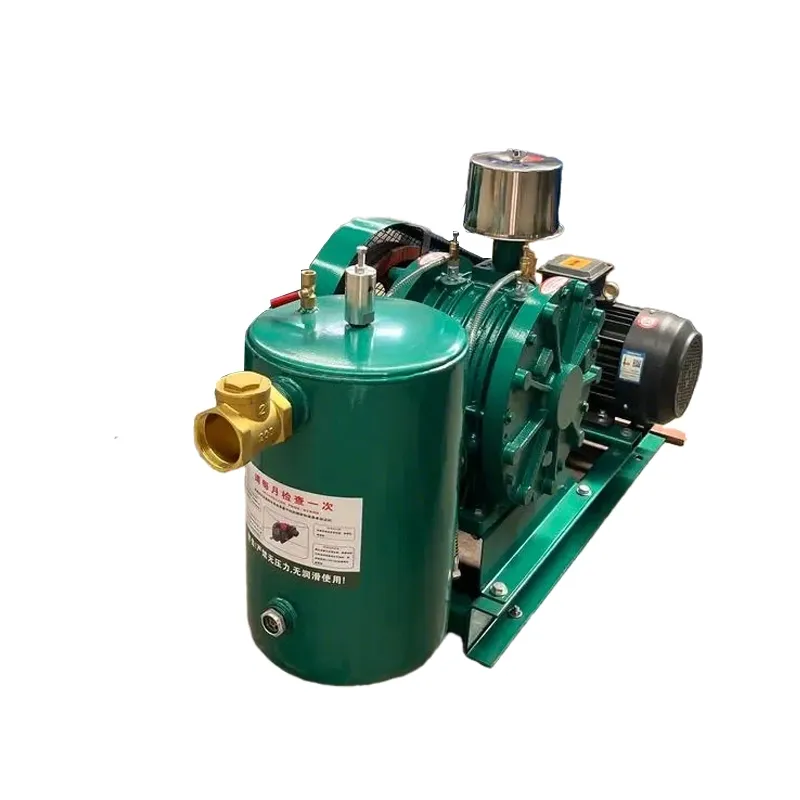
Wastewater treatment facilities face constant pressure to maintain efficient aeration, handle variable flow rates, and ensure process reliability under demanding conditions. A rotary lobe blower offers a proven solution that delivers consistent air supply and robust performance across municipal and industrial treatment plants. Unlike centrifugal alternatives that struggle with variable loads and require precision installation, a rotary lobe blower excels at handling fluctuating demands while maintaining steady discharge pressure and airflow. This positive displacement technology has become essential infrastructure for aeration tanks, clarifiers, and sludge handling systems in modern wastewater management.
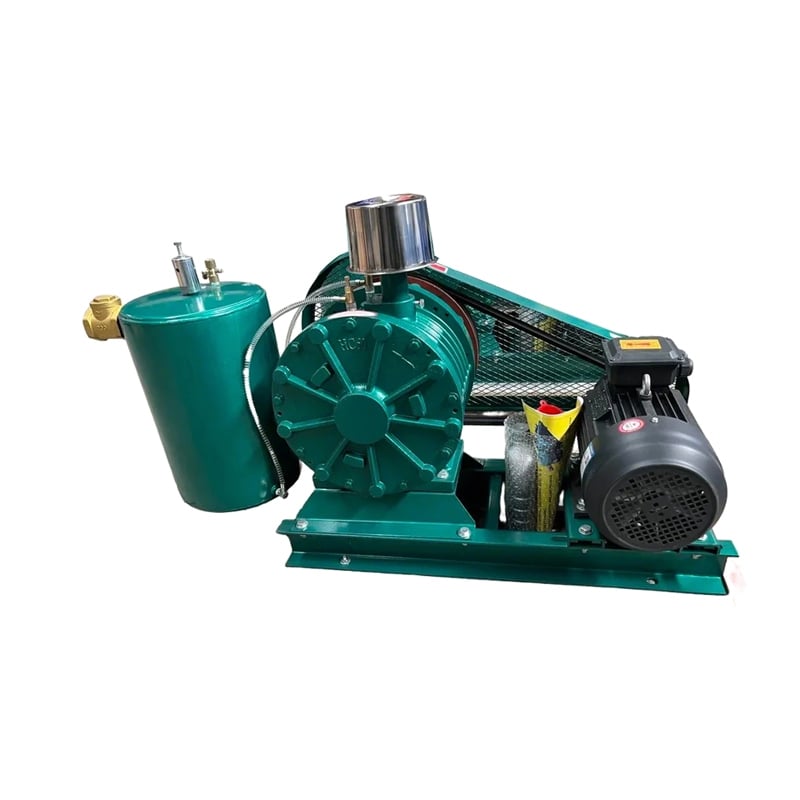
Understanding how a rotary lobe blower integrates into your treatment process requires knowledge of its operational principles, maintenance needs, and advantages within positive displacement blower applications. Treatment plant operators must recognize that equipment selection directly impacts energy consumption, process stability, and long-term operational costs. This article explores the critical role of rotary lobe technology in wastewater systems and provides actionable guidance for maximizing performance and reliability.
How Rotary Lobe Blowers Enable Aeration in Wastewater Treatment
Continuous Oxygen Delivery Through Positive Displacement Design
Rotary lobe blowers operate on positive displacement principles, meaning they trap air between rotating lobes and the housing, then force that air into the discharge line with each rotation cycle. This design guarantees consistent airflow regardless of downstream pressure fluctuations, making positive displacement blower applications ideal for aeration tanks where oxygen demand fluctuates throughout the day. Unlike centrifugal blowers that reduce output when pressure rises, a rotary lobe blower maintains flow steadiness, ensuring microorganisms receive reliable oxygen for biological treatment processes. Treatment facilities depend on this consistency to maintain dissolved oxygen levels between 2 and 4 mg/L, which is critical for aerobic bacteria that break down organic pollutants.
Aeration Basin Integration and Process Stability
Wastewater aeration basins require equipment that can operate continuously at partial loads without efficiency loss or operational issues. Rotary lobe technology handles start-stop cycling and variable-demand conditions that would stress centrifugal alternatives. When treatment plants implement automated dissolved oxygen control systems, the blower must respond predictably to inlet guide vane adjustments or variable frequency drive (VFD) signals. Positive displacement blower applications in municipal facilities demonstrate that rotary lobe units maintain stable discharge pressure and thermal behavior across 30 percent to 100 percent operating ranges, protecting downstream equipment and reducing process disruptions.
Practical Advantages of Rotary Lobe Technology in Treatment Operations
Reliability Under Difficult Operating Conditions
Industrial and municipal wastewater environments present challenges that demand robust equipment: high humidity, corrosive gases, partial vacuum conditions during cleaning cycles, and continuous 24/7 operation requirements. A rotary lobe blower withstands these stresses better than centrifugal alternatives because its operating envelope tolerates wider inlet conditions and back-pressure variations. When compared against rotary lobe blower vs centrifugal blower comparison criteria, facilities consistently report fewer unexpected shutdowns and reduced emergency maintenance incidents with rotary lobe units. The positive displacement design also handles minor suction obstructions and inlet temperature variations without immediate performance degradation.
Lower Installation and Operational Flexibility
Rotary lobe blowers do not require precision foundation alignment, flexible coupling installation, or complex inlet ducting that centrifugal equipment demands. This flexibility reduces installation costs and allows retrofitting into existing treatment plant layouts without major structural modifications. Operators can install a rotary lobe blower in horizontal or vertical orientations depending on space constraints, and the unit continues performing reliably. When evaluating positive displacement blower applications across different treatment facility sizes, this adaptability accelerates deployment and reduces capital expenditure on facility upgrades.
Essential Maintenance and Troubleshooting for Long Equipment Life
Routine Rotary Lobe Blower Maintenance Protocols
Preventive maintenance is essential for extending equipment lifespan and avoiding costly emergency replacements. Rotary lobe blower maintenance and troubleshooting begins with regular oil changes at manufacturer-recommended intervals, typically every 500 to 1000 operating hours depending on operating temperature and ambient dust levels. Treatment plants should schedule oil analysis testing to monitor wear particle counts and detect bearing degradation before catastrophic failure occurs. Air filter replacement every 200 to 500 hours prevents debris entry that would damage internal lobe surfaces and increase friction, which raises operating temperature and reduces efficiency. Temperature monitoring at the discharge line, typically 60 to 80 degrees Celsius under normal conditions, provides early warning of cooling system problems or internal wear.
Diagnostic Troubleshooting and Common Issues
Understanding common problems improves response time when issues develop. Rotary lobe blower maintenance and troubleshooting typically addresses vibration increases, unusual noise, pressure fluctuations, or capacity loss. Vibration often indicates misalignment, worn bearings, or loose foundation bolts that must be corrected immediately to prevent secondary damage to seals and rotors. Unusual grinding or rattling noise suggests foreign object ingestion or internal lobe clearance issues requiring professional inspection. Pressure readings that drift above normal discharge specifications indicate discharge filter blockage, downstream obstruction, or internal wear affecting volumetric efficiency. Treatment facility operators should establish baseline vibration and temperature readings during normal operation, then compare quarterly measurements to detect gradual degradation trends before acute failures occur.
Inspection Intervals and Seal Replacement
Mechanical seals protecting the bearing cavity typically last 3000 to 5000 operating hours before replacement becomes necessary. When seals begin leaking oil from the shaft exit, immediate servicing prevents bearing contamination and moisture ingress during humid wastewater facility conditions. Every 5 years or 10,000 operating hours, treatment plants should schedule complete bearing inspection and clearance verification to maintain the tight tolerances that positive displacement blower applications require for reliable operation. This systematic approach to rotary lobe blower maintenance and troubleshooting prevents unscheduled downtime during peak treatment periods.
FAQ
Can a rotary lobe blower handle wastewater treatment aeration without supplemental equipment?
Yes, a rotary lobe blower can provide complete aeration support for wastewater treatment basins, but effective system design requires properly sized diffuser arrays, discharge pressure gauges, and offline cooling provisions. The blower itself delivers steady airflow, but facility operators must control dissolved oxygen levels through automated dissolved oxygen probes and inlet throttling or VFD adjustment. Supplemental equipment like pressure relief valves, aftercoolers, and mufflers enhance performance, but the rotary lobe blower handles the core aeration function independently for most municipal and industrial applications.
How does rotary lobe blower vs centrifugal blower comparison inform facility equipment selection?
Rotary lobe blowers suit variable-load, low-pressure aeration applications and handle startup challenges better, while centrifugal alternatives work better for high-volume, consistent-pressure requirements in specialized industrial processes. When comparing positive displacement blower applications against centrifugal technology, treatment plants typically choose rotary lobe units for their flexibility, reduced maintenance, and stable performance across partial-load conditions. However, very large treatment facilities processing millions of gallons daily might combine both technologies, using rotary lobe blowers for base-load aeration and centrifugal units for peak-demand periods.
What causes rotary lobe blower capacity loss and how is it restored?
Capacity loss typically results from inlet air filter blockage, discharge line obstruction, worn lobe seals reducing internal leakage, or elevated discharge temperature increasing air density. Rotary lobe blower maintenance and troubleshooting requires checking air filter cleanliness first, confirming discharge line pressure against manufacturer specifications, and measuring actual airflow output with calibrated instruments. If internal wear is confirmed, professional rotor and seal replacement restores nominal capacity, though treatment plants should also verify proper cooling system operation and ambient inlet temperature to prevent recurrence.