
 EN
EN
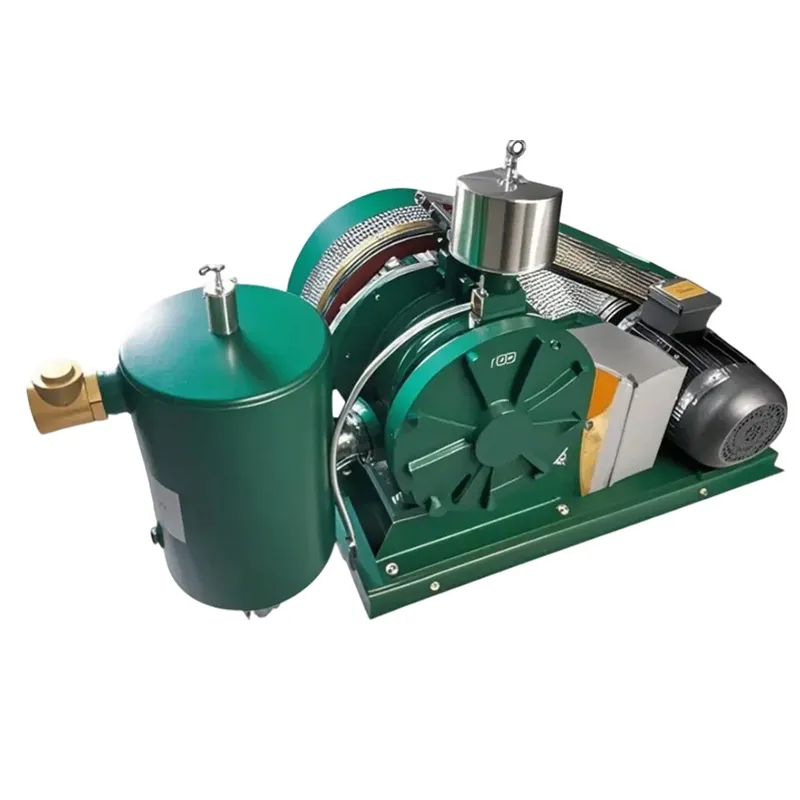
OEM equipment manufacturers face persistent challenges in selecting the right air handling technology to meet performance demands while controlling costs and maintaining reliability. The rotary lobe blower has emerged as a transformative solution for original equipment manufacturers seeking to integrate dependable, efficient pneumatic power into their systems. Unlike other air handling approaches, this technology delivers consistent displacement regardless of downstream pressure conditions, making it ideal for applications requiring predictable performance across varying operational scenarios.
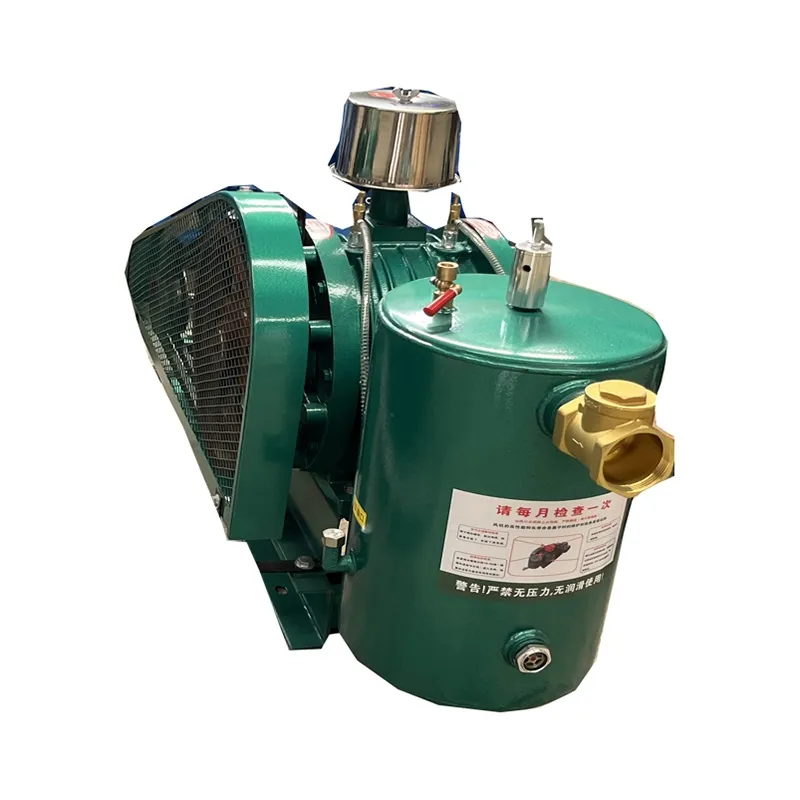
Integrating rotary lobe blower technology into OEM equipment design unlocks multiple operational and financial advantages. Manufacturers gain access to proven positive displacement blower applications that enhance system efficiency, reduce energy waste, and extend equipment lifespan. This integration strategy positions OEM systems for superior performance in demanding industrial environments where reliability cannot be compromised.
Core Performance Advantages for OEM Systems
Consistent Displacement and Pressure Stability
The fundamental strength of rotary lobe blower technology lies in its positive displacement operating principle. Unlike centrifugal designs that vary flow output based on speed and pressure conditions, a rotary lobe blower maintains nearly constant volumetric displacement regardless of downstream resistance. This predictability allows OEM engineers to design equipment with precise air handling specifications, confident that performance will remain stable across the full operational range. Equipment relying on this consistency experiences fewer performance anomalies and reduced troubleshooting burden in field deployment.
For OEM applications where system pressure fluctuates during operation, this displacement consistency becomes critical. Equipment managing variable load conditions or intermittent demand cycles benefits from the rotary lobe blower's ability to deliver rated flow without pressure-dependent degradation. This translates to more reliable end-user experience and lower warranty claim rates for manufacturers.
Energy Efficiency and Operating Cost Reduction
OEM equipment incorporating rotary lobe blower systems demonstrates measurable energy efficiency gains compared to alternative technologies. These positive displacement blower applications consume power proportional to actual air delivery requirements rather than oversupplying air and wasting energy through relief mechanisms. When integrated into OEM designs, this efficiency reduces electricity consumption, lowers operating costs for end users, and improves the competitive positioning of the final equipment in cost-conscious market segments.
The energy advantage becomes particularly pronounced in continuous-duty applications where equipment operates extended hours. OEM manufacturers can market products with lower total cost of ownership, a compelling differentiator that appeals to industrial buyers evaluating lifetime expenses rather than purchase price alone.
Rotary Lobe Blower Maintenance and Troubleshooting Integration
Simplified Service Protocols and Extended Service Intervals
Incorporating rotary lobe blower technology into OEM equipment reduces maintenance complexity and extends service intervals compared to competing air handling solutions. The straightforward design of positive displacement blower applications minimizes component count and eliminates many wear points found in alternative technologies. OEM service documentation becomes more streamlined, technician training requirements decrease, and spare parts inventory requirements remain manageable.
Rotary lobe blower maintenance and troubleshooting protocols are well-established across industrial sectors, allowing OEM manufacturers to leverage existing service expertise. Equipment dealers and field technicians already understand common issues, diagnostic procedures, and repair sequences, accelerating problem resolution and reducing mean time to repair for end users.
Predictable Wear Patterns and Preventive Maintenance
OEM equipment designers benefit from the highly predictable wear characteristics of positive displacement blower applications. Unlike technologies with complex internal flow paths prone to unexpected degradation, rotary lobe blower systems exhibit wear patterns that correlate directly with operating hours and load conditions. This predictability enables OEM manufacturers to establish evidence-based maintenance schedules, reducing unplanned downtime and allowing customers to plan service activities during convenient windows.
Rotary lobe blower maintenance and troubleshooting documentation can provide clear guidance on normal wear progression, performance monitoring benchmarks, and optimal replacement timing. Equipment incorporating this technology earns reputation for reliability and reduced lifecycle surprises.
Comparative Positioning: Rotary Lobe Blower vs Centrifugal Blower Applications
Pressure Handling and System Responsiveness
When comparing rotary lobe blower vs centrifugal blower alternatives, the pressure handling characteristics diverge significantly. Rotary lobe designs excel in moderate-pressure applications, delivering consistent flow regardless of pressure rise, while centrifugal blowers show pressure-dependent performance variation. OEM equipment requiring stable flow across varying demand conditions benefits substantially from this rotary lobe blower vs centrifugal blower distinction. Centrifugal technology excels in high-volume, low-pressure scenarios, but rotary lobe blower systems outperform in applications needing controlled displacement and responsive pressure regulation.
OEM manufacturers targeting markets with variable load profiles gain significant advantage through rotary lobe blower integration. Equipment responsiveness improves, system control becomes simpler, and end users experience more predictable performance characteristics throughout daily operation.
Installation Footprint and Design Flexibility
The rotary lobe blower vs centrifugal blower analysis extends to physical integration considerations. Rotary lobe designs accommodate compact installation geometries and flexible mounting orientations without performance degradation. OEM engineers incorporate these units into space-constrained equipment designs that would present challenges for centrifugal alternatives. This design flexibility allows manufacturers to optimize equipment form factor while maintaining robust air handling capability.
Centrifugal blowers require particular attention to inlet/outlet ducting, operating orientation, and foundation isolation to achieve optimal performance. Rotary lobe technology simplifies these integration requirements, reducing design complexity and manufacturing expenses for OEM manufacturers.
FAQ
What specific OEM applications benefit most from rotary lobe blower integration?
Rotary lobe blower technology excels in OEM equipment requiring consistent air displacement across variable pressure conditions. Applications including pneumatic conveying systems, aeration equipment, wastewater treatment machinery, compressed air backup systems, and pressure-sensitive process equipment all gain substantial advantages from positive displacement blower applications. Equipment designers working in industries emphasizing reliability, efficiency, and reduced maintenance costs find rotary lobe blower integration particularly valuable for competitive differentiation.
How do rotary lobe blower maintenance requirements compare to alternative air handling technologies?
Rotary lobe blower maintenance and troubleshooting protocols are straightforward compared to competing technologies, with well-established service procedures and longer intervals between major maintenance activities. The simple internal design of positive displacement blower applications minimizes component failure modes and extends equipment lifespan. OEM manufacturers benefit from simplified service documentation and reduced spare parts complexity, translating to lower support costs and improved customer satisfaction.
Why would OEM equipment designers choose rotary lobe blower vs centrifugal blower technology?
The rotary lobe blower vs centrifugal blower decision depends on application requirements. Rotary lobe blowers deliver consistent displacement regardless of pressure fluctuations, making them ideal for variable-load applications. They offer superior responsiveness, simpler installation, and better performance in moderate-pressure applications. Centrifugal blowers excel in high-volume, low-pressure scenarios but show performance variation with pressure changes. OEM designers select rotary lobe technology when equipment needs predictable air handling performance and maintenance simplicity.