
 EN
EN
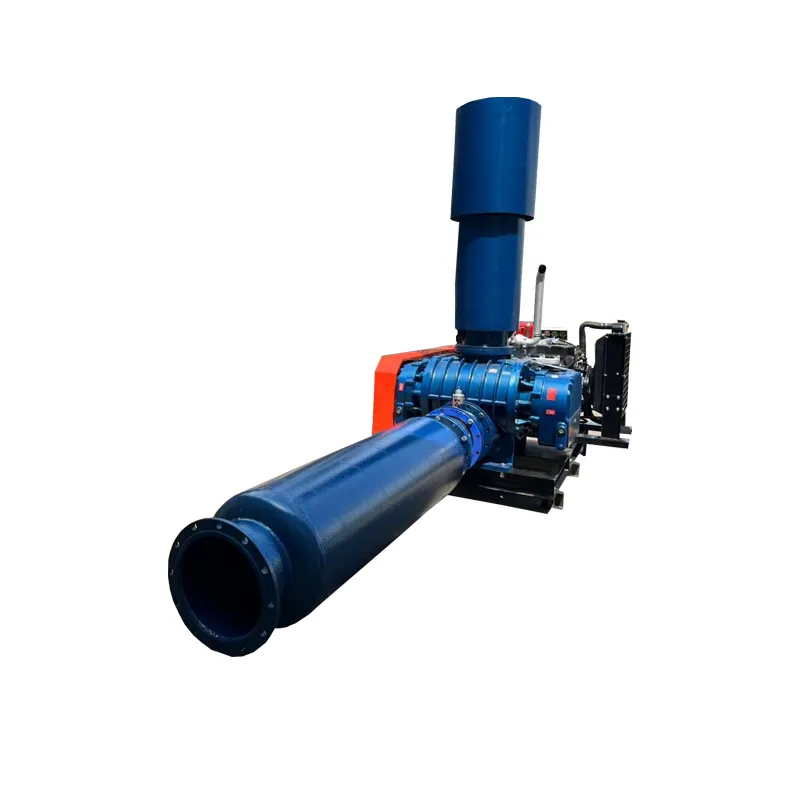
Industrial operations frequently encounter unique air handling challenges that standard equipment cannot adequately address. Roots blower manufacturers have developed comprehensive customization capabilities to meet these specialized demands, ensuring that facilities can optimize performance while maintaining operational efficiency and reliability.
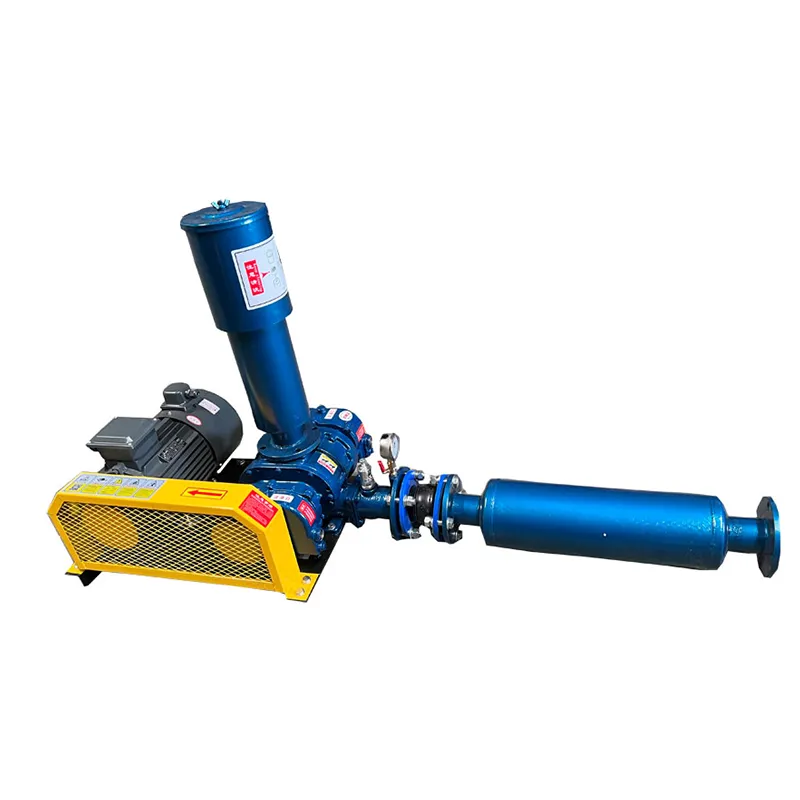
Understanding how roots blower manufacturers support custom requirements involves recognizing their expertise in rotary positive displacement blower specifications and their ability to engineer solutions across diverse industrial scenarios. From material handling to pneumatic conveying, high-volume low-pressure blower systems demand precision engineering and adaptability that modern manufacturers provide through collaborative design processes.
Understanding Custom Blower Design Capabilities
Rotary Positive Displacement Blower Specifications
Roots blower manufacturers excel at delivering rotary positive displacement blower specifications tailored to exact operational parameters. Each industrial facility operates under distinct pressure requirements, flow rates, and environmental conditions. Manufacturers conduct detailed assessments to determine optimal displacement volumes, rotor configurations, and housing dimensions that align with customer specifications. This technical precision ensures that high-volume low-pressure blower systems perform reliably within specified tolerances while minimizing energy waste and operational costs.
The customization process begins with comprehensive data collection regarding pressure differentials, volumetric flow requirements, and ambient temperature ranges. Roots blower manufacturers then apply engineering expertise to select appropriate lobe counts, compression ratios, and material specifications. This systematic approach guarantees that industrial air compression equipment applications receive blowers engineered specifically for their operational context rather than generic off-the-shelf alternatives.
Engineering Solutions for Diverse Applications
Different industrial sectors require fundamentally different blower characteristics. Roots blower manufacturers understand that pharmaceutical processing demands cleanliness standards that differ from aggregate handling applications. They develop specialized filtration configurations, seal systems, and material selections to meet these varied needs. When industrial air compression equipment applications require food-grade compliance or hazardous area certification, manufacturers engineer solutions incorporating appropriate safety features and regulatory compliance measures.
Collaborative Design and Technical Partnership
Working with Facility Requirements
Successful customization depends on meaningful dialogue between roots blower manufacturers and end users. Manufacturers establish detailed requirement specifications by evaluating existing facility infrastructure, available space constraints, and future expansion plans. High-volume low-pressure blower systems must integrate seamlessly into existing pneumatic networks, requiring manufacturers to account for connection points, control interfaces, and maintenance accessibility. This collaborative approach ensures that rotary positive displacement blower specifications align with real-world operational conditions.
Manufacturers also consider noise levels, vibration characteristics, and environmental factors relevant to specific applications. Industrial air compression equipment applications in residential or sensitive areas require engineered vibration isolation and acoustic management solutions. Roots blower manufacturers incorporate these considerations during the design phase, delivering customized systems that perform effectively while maintaining facility compliance with operational standards.
Documentation and Technical Support
Professional roots blower manufacturers provide comprehensive technical documentation specific to custom installations. This includes detailed performance curves adjusted for altitude, temperature, and actual operating conditions. Manufacturers deliver certification documents confirming that high-volume low-pressure blower systems meet specified rotary positive displacement blower specifications and regulatory requirements. Technical support teams remain available throughout installation, commissioning, and ongoing operation, ensuring that industrial air compression equipment applications perform optimally.
Material Selection and Performance Optimization
Advanced Material Strategies
Custom blower design extends beyond dimensional specifications to include material engineering. Roots blower manufacturers select materials based on fluid compatibility, corrosion resistance, and operational temperature ranges. Applications involving conveying abrasive materials require hardened rotor coatings and specialized bearing materials. When high-volume low-pressure blower systems must handle humid or corrosive environments, manufacturers specify stainless steel components or protective coatings appropriate for those conditions. These material decisions directly impact system longevity and maintenance costs for industrial air compression equipment applications.
Performance Monitoring and Optimization
Leading roots blower manufacturers incorporate monitoring capabilities into customized systems. Pressure sensors, temperature gauges, and vibration monitoring equipment enable real-time performance assessment. These integrated systems help facilities identify maintenance requirements early and optimize operating parameters. Rotary positive displacement blower specifications can be validated during operation, confirming that high-volume low-pressure blower systems maintain design performance throughout their operational life. This proactive approach minimizes unexpected downtime and extends equipment lifespan for industrial air compression equipment applications.
FAQ
What factors do roots blower manufacturers consider when customizing specifications?
Roots blower manufacturers evaluate operating pressure requirements, volumetric flow rates, temperature ranges, fluid properties, space limitations, connection requirements, regulatory compliance needs, and noise constraints. They assess whether high-volume low-pressure blower systems need food-grade, pharmaceutical, or hazardous area certifications. Manufacturers analyze facility infrastructure to ensure rotary positive displacement blower specifications integrate properly with existing industrial air compression equipment applications and future expansion plans.
How do manufacturers ensure high-volume low-pressure blower systems meet performance standards?
Roots blower manufacturers implement rigorous testing protocols before delivery. Custom systems undergo performance validation under actual operating conditions to confirm that rotary positive displacement blower specifications match design parameters. Manufacturers provide detailed documentation including performance curves adjusted for specific altitudes and temperatures. Many incorporate monitoring equipment enabling real-time verification that industrial air compression equipment applications maintain proper performance throughout operation.
Can roots blower manufacturers modify systems for existing industrial operations?
Yes, roots blower manufacturers frequently engineer retrofit solutions for established facilities. They analyze existing infrastructure and develop custom configurations that integrate with current systems while upgrading performance capabilities. Whether improving efficiency or expanding capacity for high-volume low-pressure blower systems, manufacturers adapt rotary positive displacement blower specifications to match facility constraints. This flexibility enables industrial air compression equipment applications to enhance operations without complete infrastructure replacement.