 EN
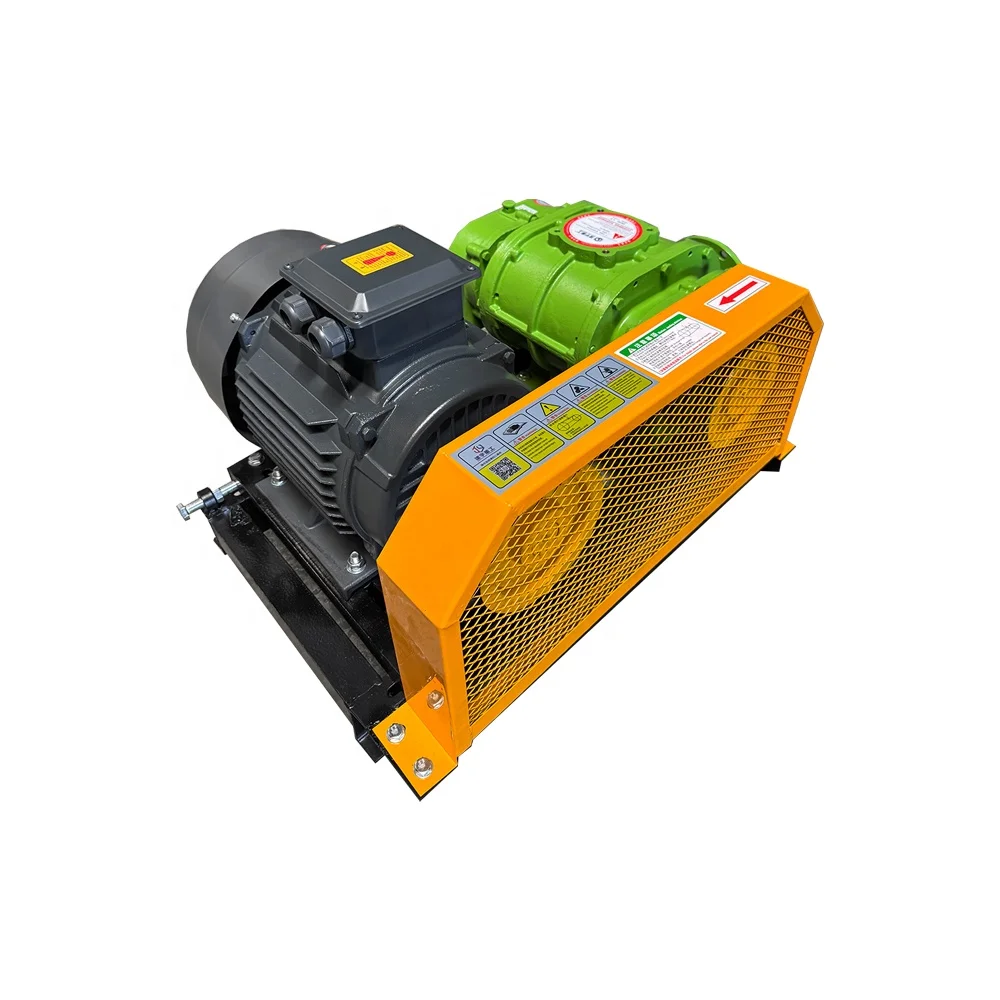
The aquaculture industry depends heavily on reliable oxygen delivery systems to maintain healthy fish populations and maximize production efficiency. Suppliers who understand the critical role of aquaculture blower technology can deliver solutions that directly impact farm profitability and sustainability. Modern fish farming operations require sophisticated equipment that goes beyond basic air movement, demanding systems engineered for consistency, durability, and energy efficiency.
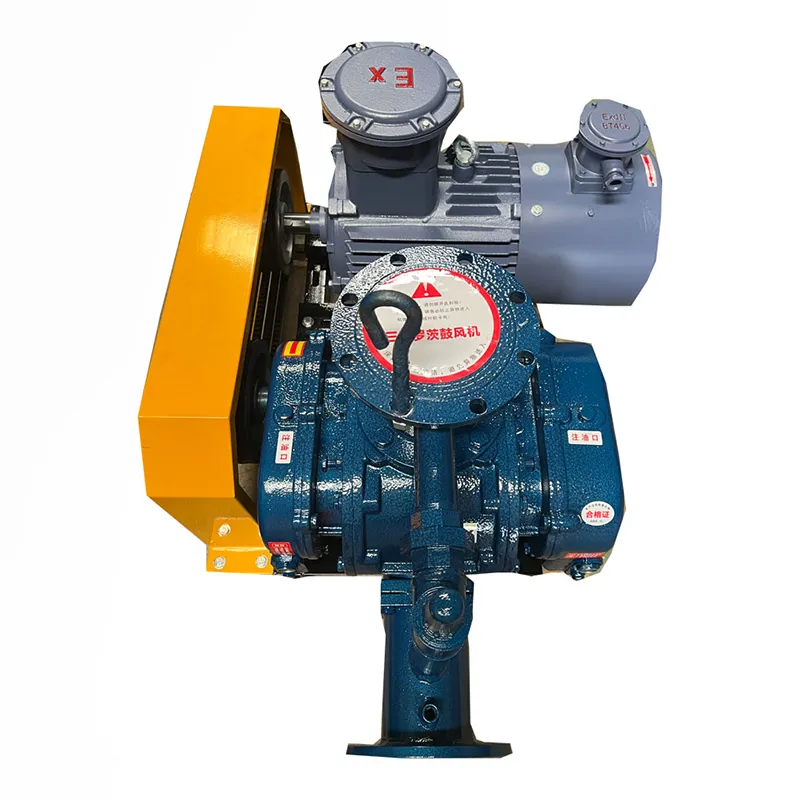
Suppliers competing in the aquaculture equipment market must recognize that fish tank air pump selection and pond aeration system design are fundamental to farm success. Facilities operating across diverse environments, from freshwater ponds to intensive recirculation systems, need customized solutions that address specific aquaculture oxygen requirements. This article explores how suppliers can enhance their offerings to meet the evolving demands of modern aquaculture operations.
Understanding Core Aquaculture Oxygen Requirements
Demand Variability Across Production Systems
Aquaculture oxygen requirements vary significantly based on fish species, stocking density, water temperature, and system design. Suppliers must educate clients that a single pond aeration system cannot serve all farm configurations equally. Tilapia farms, for example, typically require less oxygen than high-density catfish operations, while recirculation aquaculture systems demand precise, continuous delivery. Understanding these distinctions allows suppliers to recommend appropriately sized fish tank air pump solutions rather than oversizing equipment unnecessarily.
The relationship between water temperature and oxygen availability creates complexity that suppliers often overlook. Warmer water holds less dissolved oxygen naturally, forcing farms to increase aeration during summer months. A responsive pond aeration system that adapts to seasonal demands proves far more valuable than fixed-output equipment. Suppliers who provide guidance on these dynamics build stronger client relationships and demonstrate technical expertise that differentiates them in a competitive market.
Measuring and Monitoring Oxygen Levels
Modern fish farms increasingly rely on dissolved oxygen monitoring technology to optimize their aquaculture blower operations. Suppliers who integrate sensor compatibility into their product design offer clients measurable performance data and operational visibility. Real-time monitoring systems connected to fish tank air pump controls enable automated adjustments that prevent costly mortality events and improve feed conversion ratios. This technological alignment transforms a basic pond aeration system into a data-driven production tool that justifies premium pricing through verifiable outcomes.
Engineering Superior Pond Aeration Systems
Material Selection and Durability Improvements
The harsh aquaculture environment demands equipment engineered for corrosion resistance, vibration tolerance, and extended operational life. Suppliers offering aquaculture blower solutions with premium bearing materials, enhanced sealing systems, and stainless steel components command market confidence through reduced downtime and maintenance costs. A fish tank air pump that requires frequent repair represents ongoing cost drain rather than productivity investment. Suppliers should prioritize construction quality that withstands humid, salt-laden, and chemically treated water environments common in modern aquaculture facilities.
Energy consumption significantly impacts farm profitability, making efficiency a prime supplier differentiation opportunity. Modern pond aeration system designs featuring optimized blade geometry, variable frequency drive compatibility, and streamlined intake pathways reduce energy draw while maintaining required aquaculture oxygen requirements. Suppliers promoting blower solutions with documented efficiency ratings provide clients with transparent return-on-investment calculations that justify equipment investment decisions.
Noise Reduction and Environmental Compliance
Regulatory pressure surrounding agricultural noise pollution has intensified in many regions, making quiet aquaculture blower technology increasingly valuable. Suppliers developing fish tank air pump solutions with enhanced soundproofing, vibration isolation, and low-noise bearing designs address compliance requirements while improving farm worker conditions. A pond aeration system operating at reduced decibel levels demonstrates supplier awareness of modern aquaculture sustainability expectations and regulatory compliance realities.
Customization and Support for Diverse Farm Operations
Scalable Solutions for Growing Farms
Successful aquaculture operations frequently expand production capacity, requiring their equipment suppliers to provide upgrade pathways and modular solutions. Suppliers offering aquaculture blower configurations that scale from small hatchery operations to large commercial farms build long-term client relationships and recurring revenue opportunities. Modular pond aeration system designs allow farms to expand without replacing entire installations, creating attractive economics that justify premium pricing for flexible, scalable fish tank air pump solutions.
Backup and redundancy systems have become essential as farm operators recognize the catastrophic impact of aeration system failure. Suppliers who recommend dual-blower configurations, backup power options, and failsafe aquaculture oxygen requirements monitoring systems position themselves as trusted partners invested in farm success. This consultative approach transforms suppliers from equipment vendors into valuable operational advisors.
Technical Training and Performance Optimization
Suppliers delivering comprehensive training programs on pond aeration system operation, maintenance schedules, and troubleshooting create competitive advantage through customer enablement. Well-trained farm staff operate fish tank air pump equipment more efficiently, recognize early failure indicators, and maximize asset lifespan. Educational resources addressing aquaculture blower performance optimization, energy management, and maintenance protocols reduce operational friction and strengthen client loyalty. Suppliers who position themselves as knowledge partners rather than mere vendors capture disproportionate market share.
FAQ
What makes an effective aquaculture blower solution for intensive farming?
An effective aquaculture blower solution combines consistent pressure delivery, energy efficiency, and reliability under continuous operation. Fish tank air pump systems designed for intensive farms must maintain aquaculture oxygen requirements across variable water conditions while withstanding corrosive environments. Premium materials, advanced bearing technology, and performance monitoring integration distinguish superior solutions from basic alternatives, directly impacting farm profitability and animal welfare outcomes.
How do suppliers select appropriate pond aeration systems for different farm types?
Selecting appropriate pond aeration systems requires detailed analysis of target species, stocking density, water temperature profiles, and facility infrastructure. Suppliers should assess whether farms require fixed aeration, variable-speed operation, or advanced dissolved oxygen control integration. Consultative needs analysis that matches aquaculture blower capacity to specific aquaculture oxygen requirements prevents over-investment in unnecessary equipment while ensuring adequate performance for farm objectives.
What factors should farms consider when evaluating fish tank air pump suppliers?
Farms should evaluate fish tank air pump suppliers based on product durability, energy efficiency documentation, technical support quality, and customization flexibility. References from established aquaculture operations, warranty terms, maintenance service accessibility, and training program depth distinguish reliable suppliers. Understanding how suppliers approach pond aeration system design optimization and long-term farm partnerships reveals whether they prioritize customer success or transactional sales.