
 EN
EN
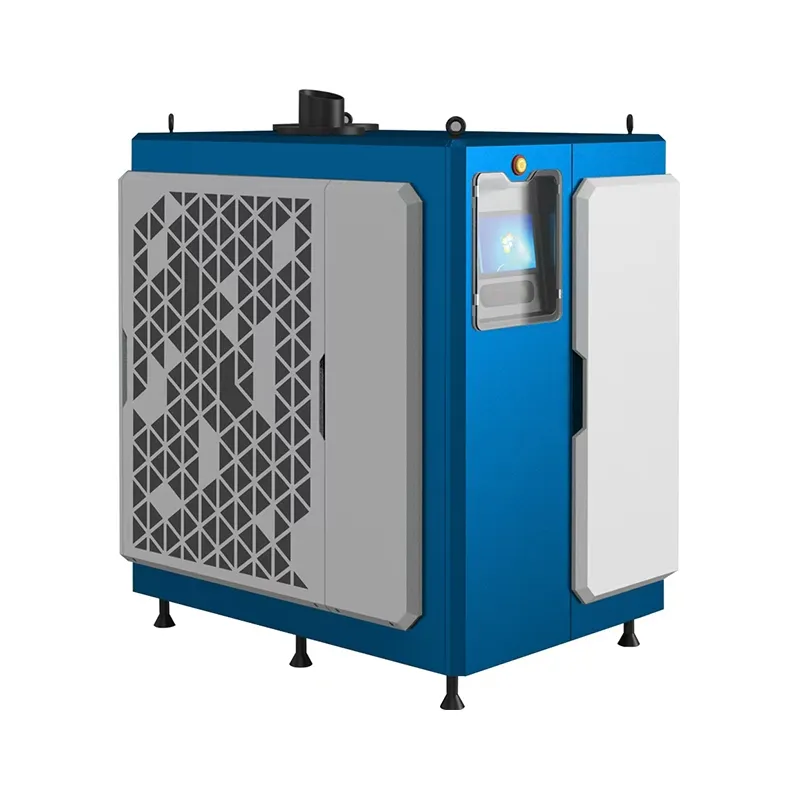
Large industrial facilities face significant air quality and circulation challenges that directly impact worker safety, equipment performance, and operational efficiency. A centrifugal air blower addresses these challenges by providing powerful, consistent air movement across expansive spaces where standard ventilation systems fall short. Understanding how this equipment enhances facility ventilation requires examining the technology, operational benefits, and application scope that make centrifugal blowers essential for modern industrial environments.
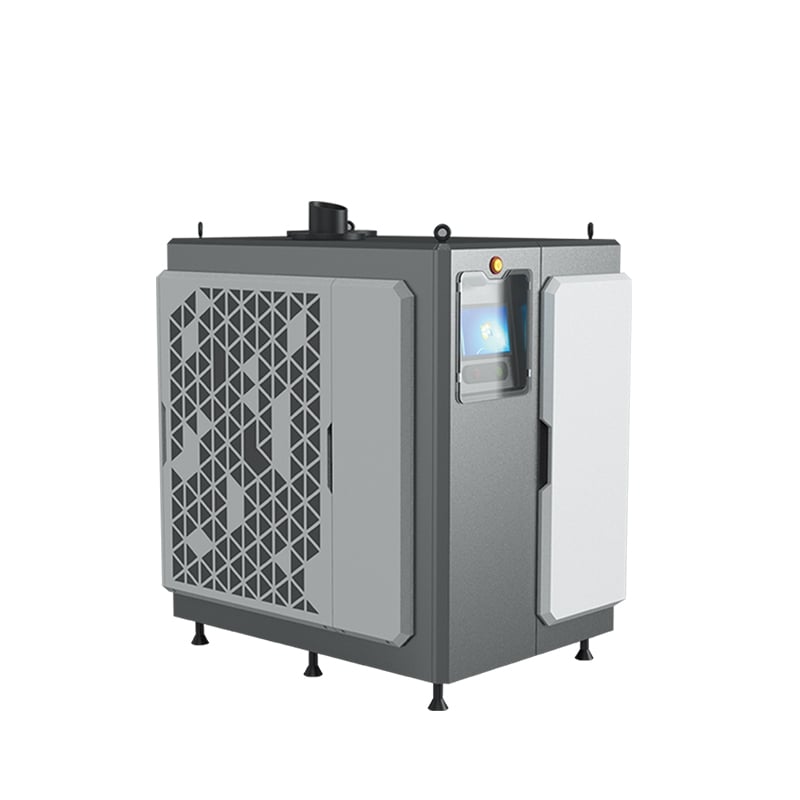
Industrial ventilation system design has evolved significantly to meet the demands of modern manufacturing, processing, and storage operations. Facilities with high ceilings, large floor areas, and complex air flow requirements depend on equipment that can move high volumes of air at consistent pressure levels. The centrifugal blower design delivers precisely this capability, converting rotational energy into controlled air displacement that ensures adequate circulation throughout the entire facility. This technological advancement has become the foundation of effective climate control, contamination management, and worker comfort in demanding industrial settings.
Core Advantages of Centrifugal Blower Technology
High Pressure Air Blower Applications Across Industries
High pressure air blower applications span manufacturing plants, chemical processing facilities, pharmaceutical production environments, food processing centers, and large-scale storage warehouses. Each environment presents unique air flow demands that a centrifugal air blower can address with reliability and efficiency. The ability to generate sustained high pressure distinguishes this equipment from alternative ventilation solutions, enabling it to overcome ducting resistance and deliver air to distant facility areas. Industries relying on precise temperature control, dust removal, or contamination prevention find that high pressure air blower applications integrated with proper industrial ventilation system design provide measurable performance improvements.
Operational Consistency and Facility-Wide Coverage
Unlike portable or localized ventilation units, a centrifugal air blower maintains steady output across extended operating periods, ensuring uniform air circulation throughout large spaces. The radial design of centrifugal blowers allows them to handle varying air pressures while maintaining consistent flow rates, a critical requirement in facilities where ventilation demands shift throughout the production day. This reliability reduces the need for multiple smaller units, lowering maintenance complexity and operational overhead. Facilities can achieve comprehensive coverage without creating dead zones or areas of poor air quality that compromise worker safety or product integrity.
Centrifugal Blower Noise Reduction and Environmental Performance
Advanced Sound Dampening in Industrial Settings
Centrifugal blower noise reduction has become a priority in modern industrial ventilation system design, particularly in facilities where workers occupy nearby areas. Traditional blower designs generated high-frequency noise that fatigued workers and created compliance challenges with occupational safety standards. Contemporary centrifugal blower designs incorporate aerodynamic blade profiles, vibration isolation mounting systems, and acoustic enclosures that significantly reduce operational noise levels. These advancements mean that facilities can deploy powerful centrifugal air blower systems without creating uncomfortable or hazardous noise environments, supporting both regulatory compliance and worker satisfaction.
Energy Efficiency and Environmental Responsibility
Modern centrifugal blower technology integrates variable frequency drive capabilities that allow operators to adjust speed and output based on real-time ventilation requirements. This flexibility reduces unnecessary energy consumption during periods of lower demand while maintaining full performance capacity when facility operations peak. Industrial ventilation system design that incorporates these energy-efficient centrifugal blower options helps facilities reduce operational costs and environmental impact simultaneously. The ability to match air movement precisely to facility needs represents a substantial advancement in sustainable industrial operations.
Integration and System Design Considerations
Implementing Industrial Ventilation System Design with Centrifugal Equipment
Effective industrial ventilation system design requires careful consideration of facility layout, air inlet and outlet positioning, ducting configuration, and centrifugal air blower sizing. Engineers must calculate total air volume requirements, account for ducting resistance losses, and determine appropriate pressure specifications to ensure the selected equipment meets performance objectives. Undersized blowers fail to achieve adequate circulation, while oversized units waste energy and generate unnecessary noise. Professional assessment of high pressure air blower applications specific to each facility ensures optimal performance outcomes and justifies the capital investment in centrifugal blower technology.
Maintenance and Long-Term Operational Reliability
Centrifugal blowers require routine maintenance including bearing inspection, blade cleaning, and vibration monitoring to sustain peak performance. The sealed bearing design in modern units minimizes contamination exposure and extends maintenance intervals compared to older blower types. Planning for regular service ensures that centrifugal blower noise reduction capabilities remain effective and that system pressure stays within designed parameters. Facilities that implement preventive maintenance programs experience fewer unexpected downtime events and maximize the economic return on their industrial ventilation system design investments.
FAQ
What makes a centrifugal air blower more effective than axial alternatives?
Centrifugal designs generate higher static pressure, making them ideal for systems with substantial ducting resistance or multiple air distribution points. Axial blowers excel at moving large air volumes at low pressure, while centrifugal equipment provides the pressure capacity needed for complex industrial ventilation system design. This pressure advantage allows centrifugal blowers to deliver air consistently across challenging facility geometries where axial solutions would underperform.
How does industrial ventilation system design impact overall facility efficiency?
Poorly designed ventilation systems waste energy and fail to address contamination, temperature, or humidity challenges effectively. Professional industrial ventilation system design that incorporates appropriately sized high pressure air blower applications ensures optimal performance while minimizing operational costs. Strategic placement of intake and exhaust points, proper ducting sizing, and equipment selection based on calculated facility requirements create systems that deliver measurable benefits in air quality, worker comfort, and equipment longevity.
Can centrifugal blower noise reduction techniques be retrofitted to existing systems?
Many existing centrifugal blower systems can receive noise reduction upgrades including acoustic enclosures, vibration isolation pads, and aerodynamic blade modifications. Retrofitting existing equipment with centrifugal blower noise reduction technology often proves more economical than complete system replacement. However, the extent of improvement depends on the original equipment design and the specific noise frequencies generated, making professional acoustic assessment essential before pursuing retrofit work.