
 EN
EN
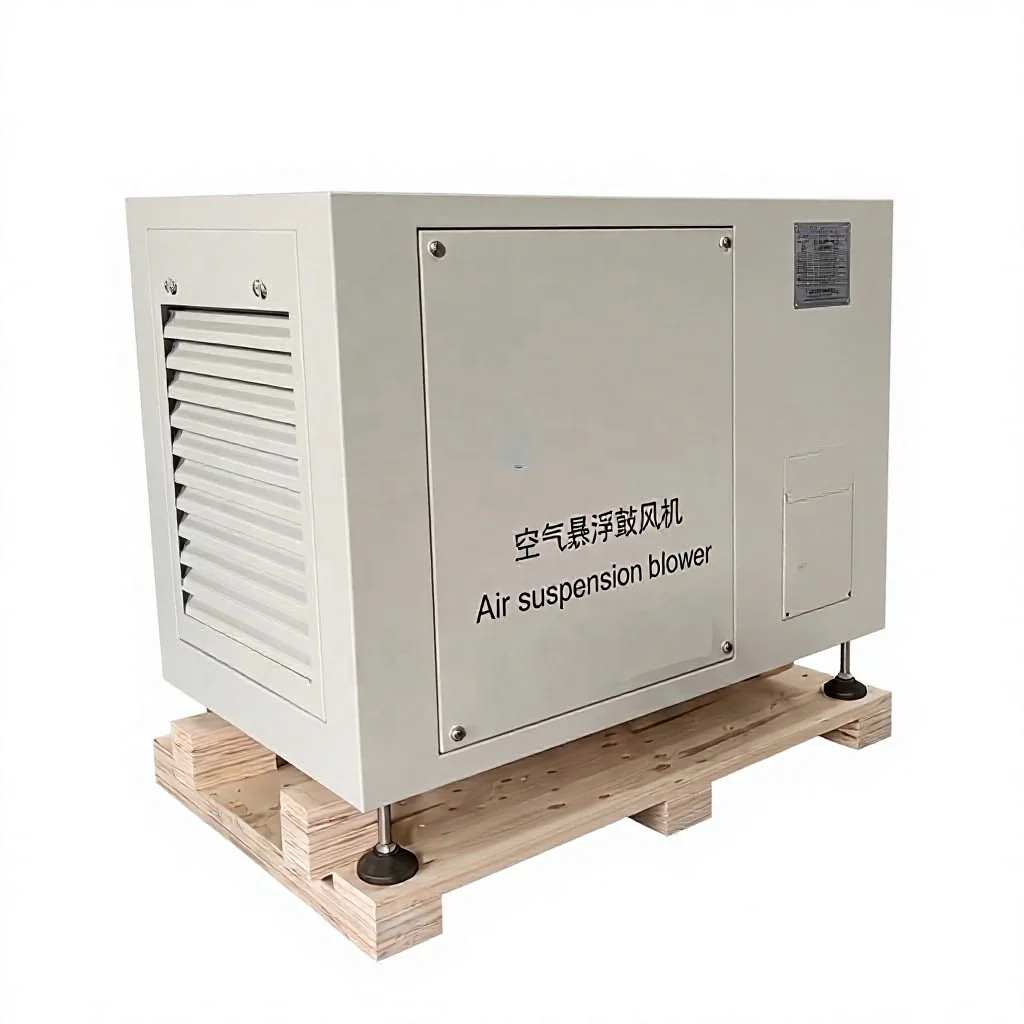
Modern manufacturing environments demand precision, consistency, and cleanliness. A centrifugal air blower plays a critical role in achieving these goals by delivering reliable air movement across production facilities. Whether handling dust removal, material conveying, or temperature control, industrial operations increasingly rely on centrifugal blower technology to maintain product quality and workplace standards. The efficiency gains and operational reliability these systems provide directly impact production uptime, energy costs, and worker safety.
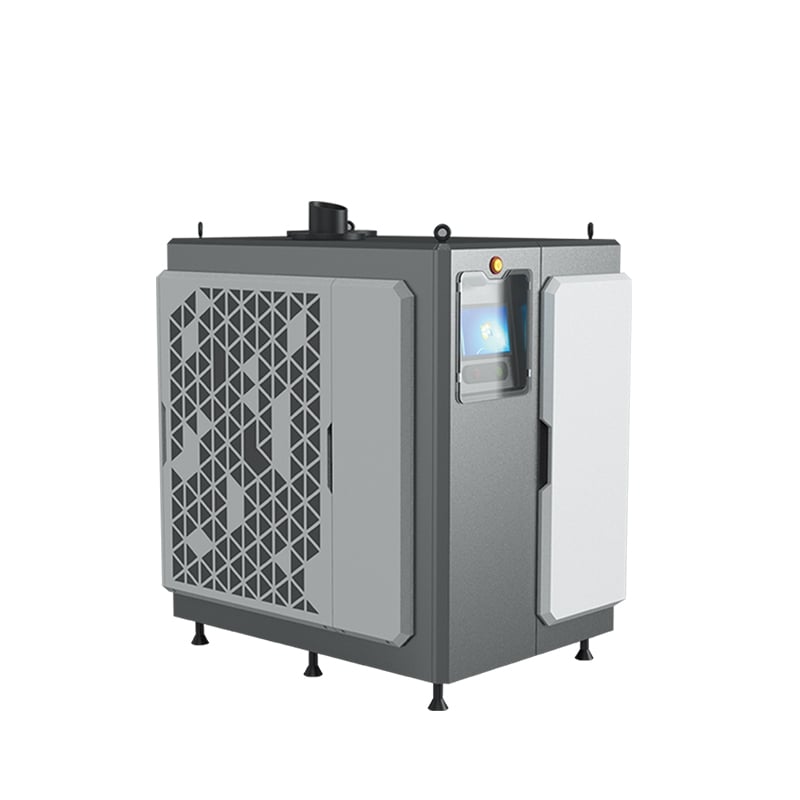
Understanding how centrifugal air blower systems function within your production workflow is essential for optimizing both efficiency and cleanliness. These robust devices transform electrical energy into pressurized airflow through rotating impeller mechanics, enabling industrial air circulation systems to handle demanding environments. By choosing the right centrifugal air blower for your specific application, manufacturers can significantly reduce contamination, lower maintenance intervals, and achieve measurable improvements in product consistency and worker safety.
How Centrifugal Air Blower Technology Improves Production Cleanliness
Air Quality Management Through Precision Blower Design
Production cleanliness depends heavily on controlling particulate matter, humidity, and airborne contaminants. A centrifugal air blower handles this challenge by generating consistent, high-velocity airflow that prevents dust accumulation and maintains stable environmental conditions. Unlike traditional axial fans, centrifugal designs can develop significantly higher pressures, making them ideal for sealed conveying systems, air filtration loops, and enclosed material handling. This pressure capability ensures contaminated air is efficiently removed from production zones and directed through filtration systems before being recirculated or exhausted safely.
Contamination Control in Sensitive Manufacturing Processes
Industries such as pharmaceuticals, electronics, and food processing require pristine air quality to prevent product defects. Industrial air circulation systems powered by centrifugal fans create positive pressure zones that exclude external contaminants while maintaining laminar airflow patterns. High pressure air blower applications in these sectors include clean room pressurization, material flow control in packaging lines, and dust extraction from precision machining operations. The sealed impeller design of centrifugal models prevents particulate bypass and ensures every cubic meter of production air passes through specified filtration stages.
Energy Efficiency and Operational Cost Reduction
Maximizing Output While Minimizing Power Consumption
Energy efficiency represents a major factor in production economics. Centrifugal air blower systems deliver superior pressure-to-power ratios compared to alternatives, meaning manufacturers achieve required airflow volumes with lower electrical demand. Modern centrifugal fan noise reduction technologies also incorporate variable frequency drives that automatically adjust impeller speed based on production requirements. This dynamic control prevents energy waste during lower-demand periods while maintaining full performance when needed, directly reducing monthly utility costs and improving facility sustainability metrics.
Reliability and Reduced Maintenance Downtime
Production interruptions caused by equipment failure cost manufacturers significantly in lost output and expedited repair labor. High pressure air blower applications benefit from centrifugal design robustness—fewer moving parts, sealed bearings, and proven impeller geometries ensure extended mean-time-between-failure intervals. When centrifugal fan noise reduction strategies are implemented through aerodynamic optimization and vibration isolation, the resulting equipment also requires less preventive maintenance. Fewer service calls and shorter downtimes accumulate into substantial savings across production seasons, making reliability-focused centrifugal systems a financially sound investment.
Industrial Air Circulation Systems and Production Environment Standards
Meeting Regulatory and Safety Requirements Through Proper Air Management
Occupational safety standards mandate specific air exchange rates, temperature ranges, and humidity control in manufacturing facilities. Industrial air circulation systems anchored by centrifugal blower technology provide the volumetric capacity and pressure control needed to meet these mandates consistently. Whether handling explosive dust environments, pharmaceutical clean rooms, or standard factory conditions, a centrifugal air blower can be configured to maintain compliance with relevant regulations. Compliance reduces liability exposure, supports worker health outcomes, and often qualifies facilities for insurance rate reductions.
Scalability for Facility Growth and Production Expansion
Manufacturing operations frequently evolve—production lines expand, new processes are introduced, and facility footprints grow. Industrial air circulation systems based on centrifugal technology scale more effectively than fixed alternatives because modular configurations allow staged capacity increases without complete system replacement. High pressure air blower applications in expansion scenarios preserve existing infrastructure investments while adding capacity incrementally. Engineers can add parallel units, increase impeller sizing, or boost motor power without redesigning ductwork or filtration systems, reducing expansion costs and deployment timelines significantly.
Centrifugal Fan Noise Reduction and Workplace Comfort
Acoustic Performance in Modern Industrial Environments
Workplace noise exposure directly affects employee productivity, retention, and long-term health outcomes. Contemporary centrifugal air blower designs integrate centrifugal fan noise reduction features such as aerodynamic blade profiling, sound-absorbing housing materials, and vibration-damping mounts. These acoustic enhancements lower operating decibel levels without sacrificing airflow capacity or pressure output. Modern high pressure air blower applications can achieve required industrial air circulation while remaining within acceptable noise exposure limits, creating more comfortable working environments and reducing hearing protection requirements.
Design Features Supporting Quiet Operation
Centrifugal fan noise reduction results from multiple integrated design choices. Backward-curved impeller blade geometries reduce turbulence-induced noise compared to forward-curved alternatives. Double-inlet configurations balance incoming airflow and minimize pressure spikes. Elastomeric isolation mounts decouple centrifugal air blower vibration from building structures, preventing structure-borne noise transmission. Combined, these features enable industrial air circulation systems to operate at significantly lower acoustic signatures while maintaining the pressure and volume industrial production requires.
FAQ
What types of industries benefit most from centrifugal air blower systems?
Centrifugal air blower applications span electronics manufacturing, pharmaceutical production, food processing, steel mills, and chemical plants. Any facility requiring high-pressure air delivery, sealed material conveying, or precise environmental control can leverage centrifugal technology's efficiency and reliability advantages. High pressure air blower applications are particularly valuable in sealed systems where traditional fans cannot develop sufficient pressure.
How does centrifugal fan noise reduction impact overall system performance?
Centrifugal fan noise reduction technologies integrate seamlessly with performance without compromising airflow or pressure capacity. Aerodynamic optimizations that reduce noise often improve overall efficiency slightly by minimizing turbulence losses. Workers experience lower noise exposure while industrial air circulation systems deliver identical production benefits, creating mutual gains in comfort and operational metrics.
Can a centrifugal air blower handle variable production demands?
Yes, modern centrifugal air blower systems equipped with variable frequency drives automatically adjust to fluctuating production demands. This capability ensures high pressure air blower applications maintain energy efficiency across varying load scenarios. Industrial air circulation systems with VFD control prevent both under-pressurization during peak demand and energy waste during lower-demand periods, optimizing both performance and cost simultaneously.