
 EN
EN
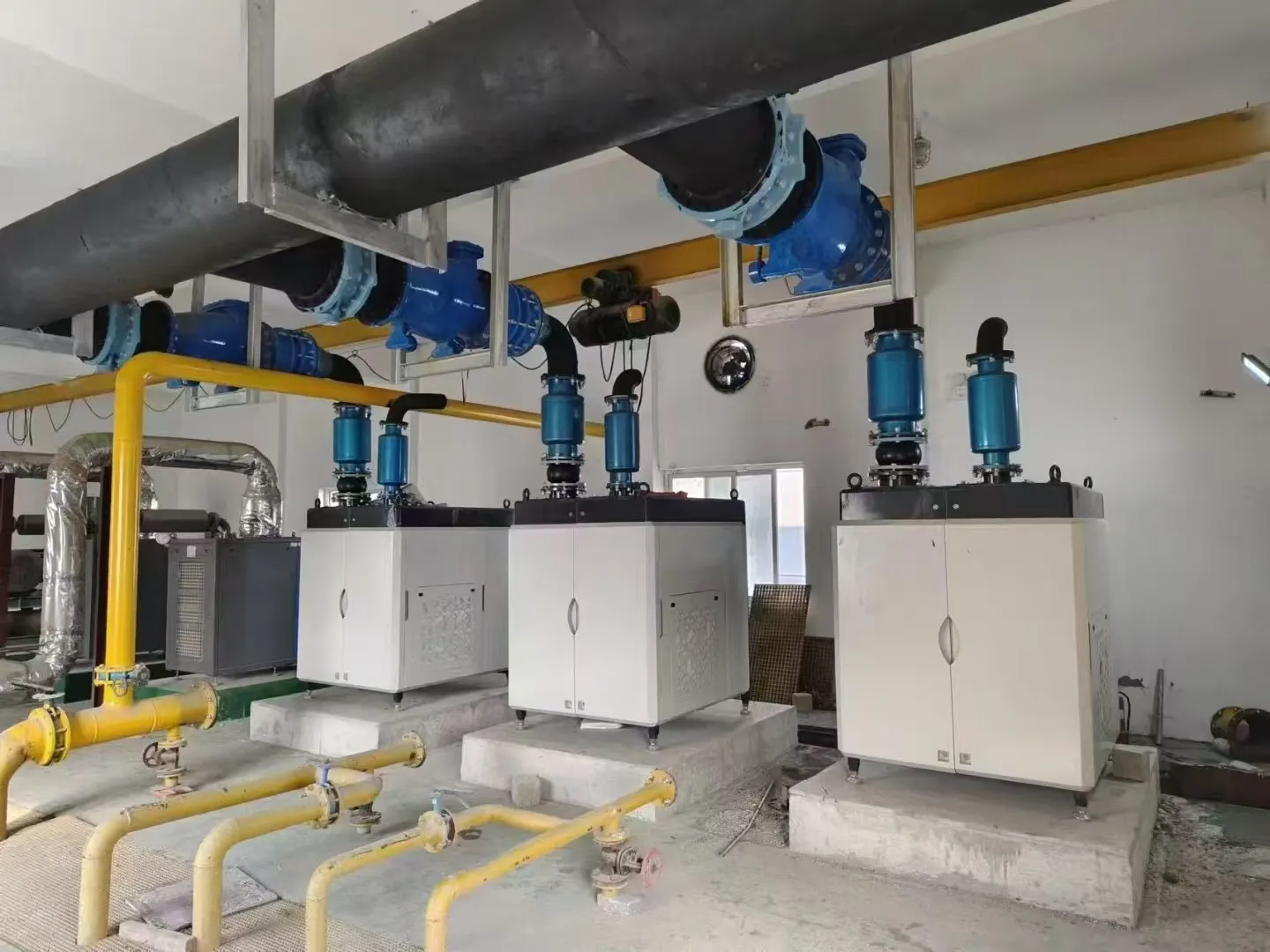
A magnetic levitation blower represents a revolutionary advancement in HVAC and industrial air circulation technology, fundamentally changing how high-speed rotational equipment operates without mechanical friction. Unlike traditional blowers that rely on physical ball or roller bearings, a magnetic levitation blower uses electromagnetic forces to suspend the impeller and shaft in mid-air, eliminating direct contact between moving parts. This contactless bearing technology for HVAC systems delivers unprecedented stability, efficiency, and longevity while operating at speeds that would cause catastrophic wear in conventional designs. Understanding how these systems maintain stable high-speed operation requires examining the physics of magnetic suspension, the role of active control systems, and the practical advantages that make this technology essential for modern industrial applications.
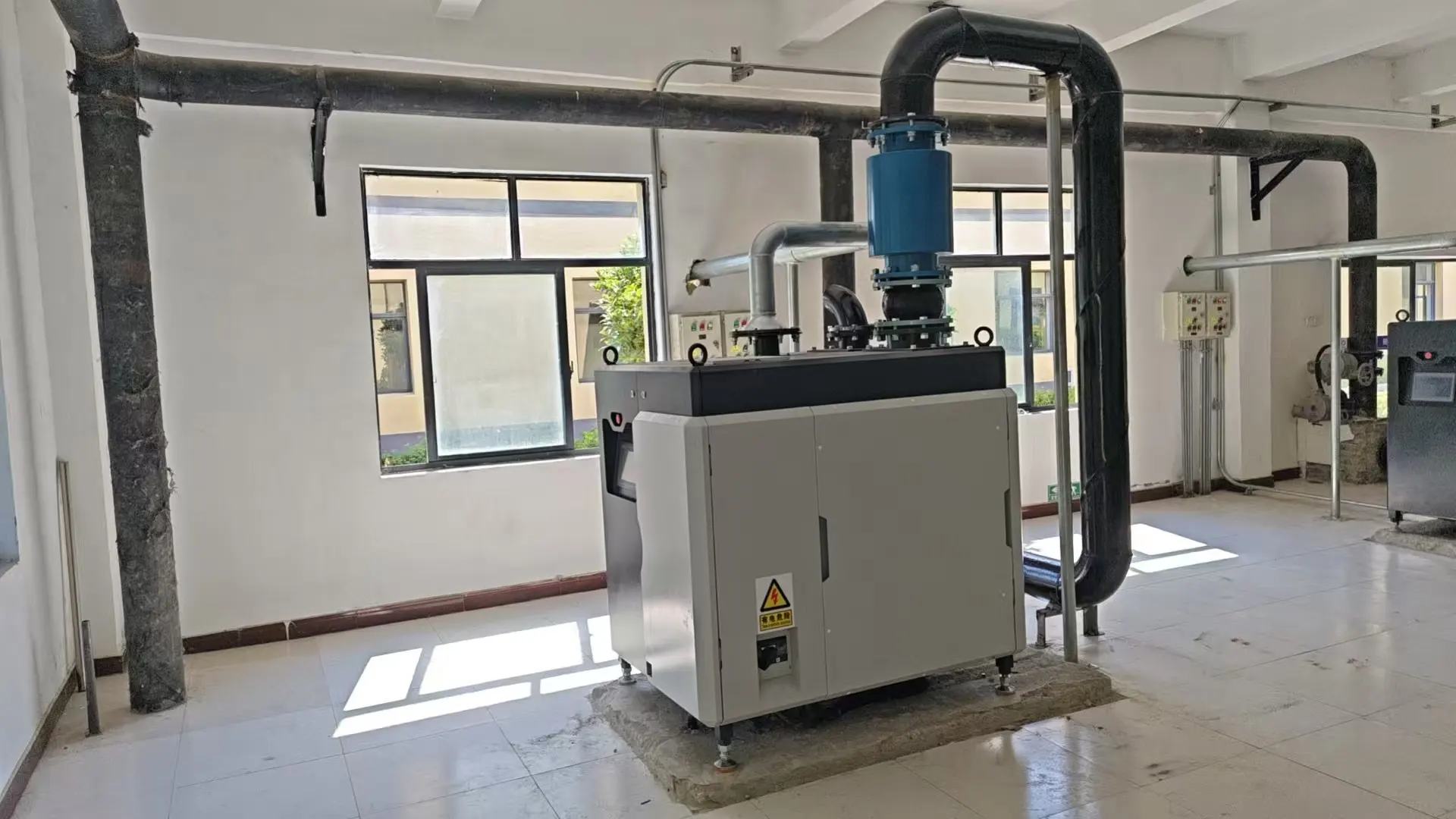
The stability of a magnetic levitation blower during high-speed operation depends entirely on a sophisticated interplay between permanent magnets, electromagnetic coils, precision sensors, and real-time control algorithms. As rotational speeds increase beyond 10,000 RPM—speeds at which traditional bearings generate excessive heat and rapid degradation—the contactless nature of magnetic suspension becomes a decisive competitive advantage. The vibration-free air circulation equipment achieves this through continuous microadjustments to the magnetic field, maintaining perfect centering of the rotor within a fraction of a millimeter. This article explores the technical principles that enable stable operation, examines the components that make high-speed centrifugal blower efficiency ratings possible, and clarifies why electromagnetic suspension technology has become the preferred choice for mission-critical applications where reliability and performance cannot be compromised.
Electromagnetic Suspension Principles and Rotor Stability
How Magnetic Forces Replace Mechanical Bearings
The fundamental principle behind a magnetic levitation blower involves using attracting and repelling magnetic forces to suspend the rotor without any physical contact. Permanent magnets embedded in the rotor interact with electronically controlled electromagnets mounted in the stator housing, creating a three-dimensional magnetic field that holds the shaft in a stable equilibrium position. Unlike mechanical bearings that require lubrication, experience wear over time, and generate friction losses, contactless bearing technology for HVAC systems operates without degradation of surfaces or loss of precision. The magnetic levitation blower continuously adjusts electromagnetic forces in real time, responding to minute shifts in rotor position and maintaining centering accuracy within micrometer tolerances.
Active Feedback Control Systems
Stable operation of vibration-free air circulation equipment depends on active feedback systems that detect rotor position and adjust magnetic forces thousands of times per second. Proximity sensors positioned around the rotor measure its location relative to the centerline, transmitting this data to a dedicated control processor that calculates the precise current required in each electromagnet coil. This closed-loop feedback mechanism prevents the rotor from drifting toward the housing or sagging under gravity, effectively creating an invisible cushion of magnetic force. High-speed centrifugal blower efficiency ratings improve dramatically when vibration is eliminated, as rotor energy previously lost to mechanical resistance and bearing friction can be redirected toward productive air movement.
Thermal Management and Bearing-Free Performance
Elimination of Frictional Heat Generation
Traditional blower systems generate substantial heat through bearing friction, especially at elevated speeds and under continuous operation. A magnetic levitation blower eliminates this friction entirely, removing the primary source of thermal stress that limits bearing life and reduces operational efficiency. Without bearing friction, cooling requirements drop dramatically, and the equipment can operate at sustained high speeds without thermal throttling or premature component failure. The contactless bearing technology for HVAC systems extends equipment service life to 30,000 hours or more, compared to 5,000 to 8,000 hours typical for oil-lubricated mechanical bearings. This translates directly into reduced maintenance costs, fewer unexpected shutdowns, and improved overall system reliability for industrial and commercial installations.
Extended Operational Lifespan
Because vibration-free air circulation equipment operates without mechanical wear, component replacement cycles are dramatically extended. Mechanical bearings degrade progressively as surfaces wear, preload decreases, and clearances increase, ultimately requiring replacement before catastrophic failure. In contrast, a magnetic levitation blower experiences no surface wear because no surfaces make contact. The only consumable element is the active magnetic suspension control system itself, which can operate reliably for decades with proper design and electrical maintenance. This bearing-free architecture makes high-speed centrifugal blower efficiency ratings more stable and predictable throughout the equipment's operational life, eliminating the gradual efficiency decline that characterizes bearing-dependent designs.
Vibration Isolation and Noise Reduction Benefits
Precision Rotor Centering
The precision with which a magnetic levitation blower maintains rotor position directly determines the vibration signature of the entire system. By keeping the rotor perfectly centered within the impeller housing, the equipment eliminates the unbalanced forces that cause vibration in traditional designs. Vibration-free air circulation equipment produces significantly lower noise levels and eliminates transmitted vibration that would normally propagate through building structures, ductwork, and supporting frameworks. High-speed centrifugal blower efficiency ratings reflect this precision, as energy that would have been wasted in mechanical vibration and associated losses is now converted into productive airflow and pressure generation. Industrial facilities using contactless bearing technology for HVAC systems report noise reductions of 15 to 20 decibels compared to equivalent oil-lubricated systems operating at identical speeds.
Electromagnetic Damping Effects
Beyond maintaining static centering, the magnetic field itself provides inherent damping that suppresses vibration transients and external disturbances. When the rotor encounters a sudden air load change or structural perturbation, the electromagnetic forces automatically increase to counteract the disturbance, preventing resonance amplification. This active damping characteristic means a magnetic levitation blower automatically adapts to varying operating conditions without manual adjustment or external vibration isolation mounting. The combined effect of perfect centering and electromagnetic damping creates a system with exceptional dynamic stability, making the equipment suitable for sensitive applications where vibration transmission must be minimized. Contactless bearing technology for HVAC systems delivers this superior vibration performance while operating at speeds where traditional ball bearings would generate unacceptable noise and transmitted vibration.
FAQ
What are the primary advantages of a magnetic levitation blower compared to conventional bearing designs?
A magnetic levitation blower eliminates mechanical friction, dramatically extending operational life while reducing maintenance requirements and operating costs. The vibration-free air circulation equipment operates silently and maintains constant performance throughout its service life because no bearing surfaces wear or degrade. Contactless bearing technology for HVAC systems also enables sustained operation at speeds beyond the practical limits of mechanical bearings, making high-speed centrifugal blower efficiency ratings consistently superior across the equipment's entire operational window.
How do active feedback systems maintain stable operation during speed variations and load changes?
Continuous real-time position monitoring enables the control processor to calculate and adjust electromagnetic forces thousands of times per second, instantly responding to any rotor displacement. When airflow demand increases or decreases, external pressure changes, or operating conditions vary, the feedback system automatically maintains precise rotor centering and magnetic levitation blower equilibrium. This active adaptation means no manual tuning or external vibration isolation is required, and the equipment automatically adjusts to maintain stability under all operating conditions within its design envelope.
Are there limitations to magnetic levitation blower technology that users should consider?
The primary consideration involves initial capital cost, as vibration-free air circulation equipment and contactless bearing technology for HVAC systems require sophisticated electronics and precision manufacturing. Power loss during normal operation is minimal, typically 2 to 5 percent lower than optimized mechanical bearing designs at equivalent speeds. High-speed centrifugal blower efficiency ratings and extended maintenance intervals typically justify higher upfront investment within two to three years of operation through reduced energy consumption and elimination of bearing maintenance expenses.