
 EN
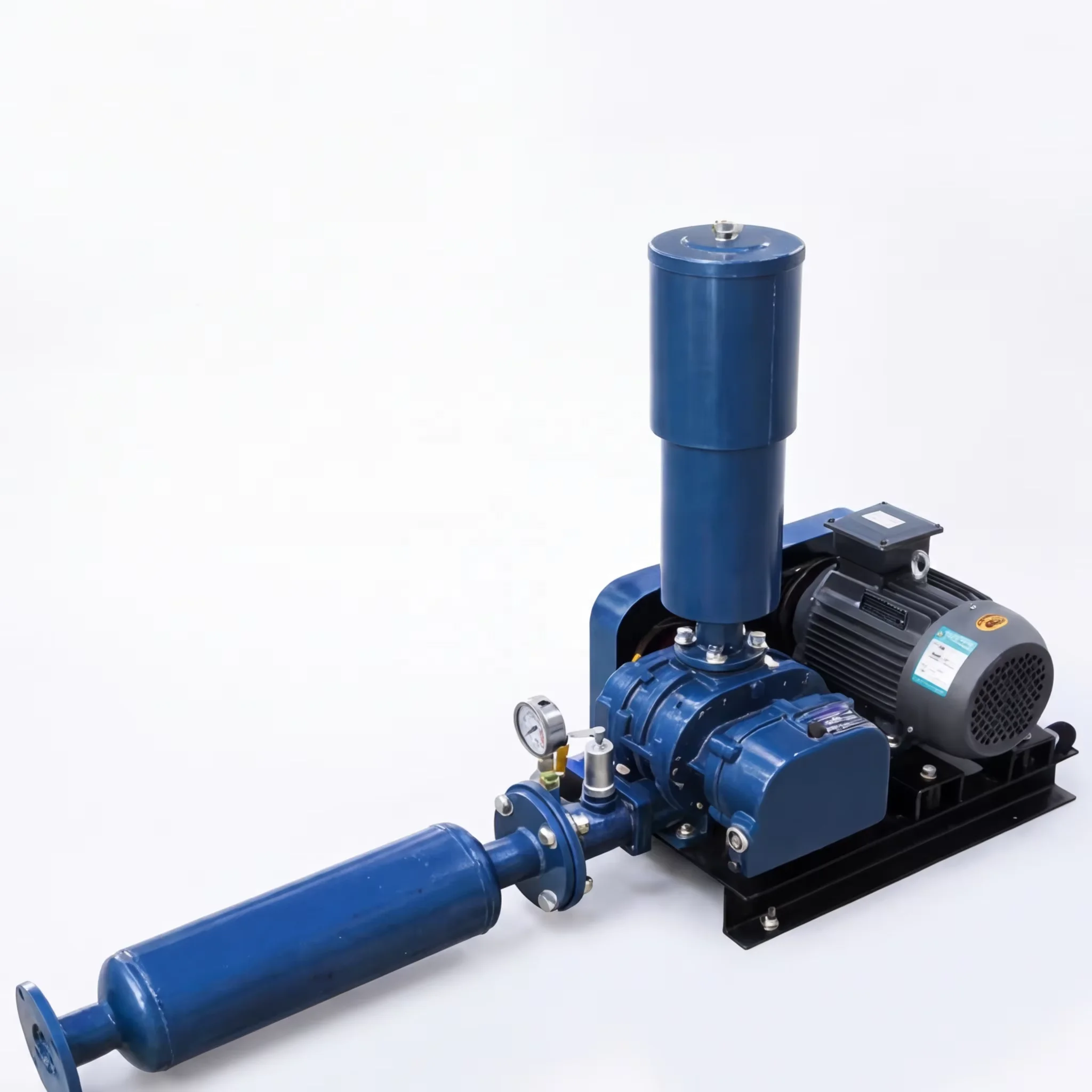
A high pressure roots blower represents one of the most reliable mechanical solutions for industrial pneumatic conveying systems. These rotary lobe blower pressure specifications make them indispensable across manufacturing, wastewater treatment, aquaculture, and material handling operations. Understanding the key features of a high pressure roots blower helps engineers and facility managers select the right equipment for their specific demands, ensuring optimal performance and cost efficiency.
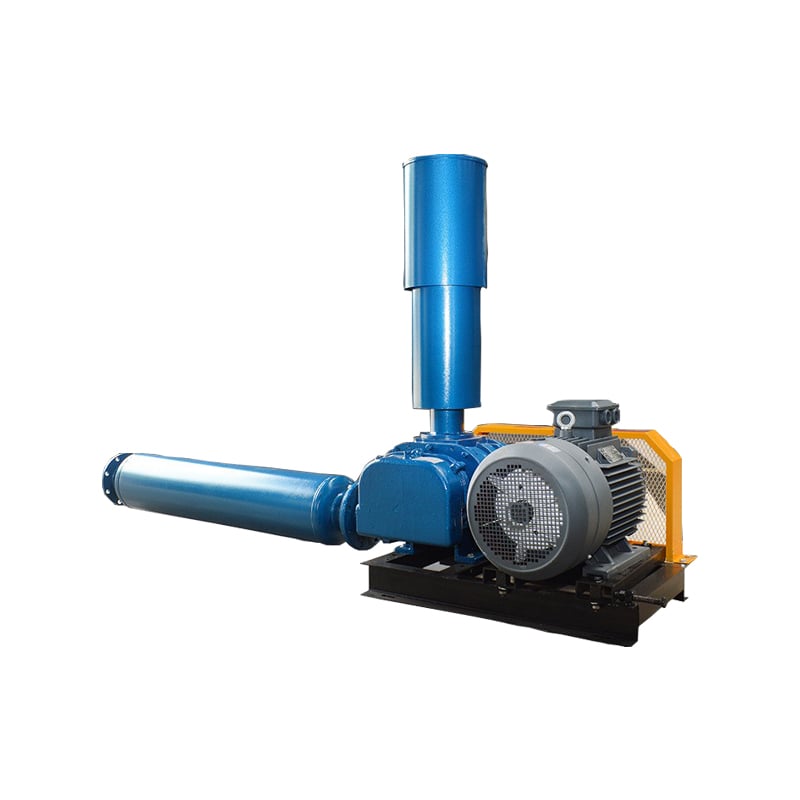
Positive displacement blower applications depend on mechanical precision and robust design. A high pressure roots blower operates through synchronized rotation of two figure-eight lobes, trapping and discharging air or gas volumes with minimal slippage. This fundamental design principle explains why rotary lobe blower pressure specifications remain consistent even under sustained load, making these blowers the preferred choice for critical industrial operations that cannot tolerate pressure fluctuations.
Design and Pressure Capability
Rotary Lobe Configuration and Precision
The core design of a high pressure roots blower centers on precise lobe geometry and tight manufacturing tolerances. Each rotary lobe blower pressure specifications document includes details about lobe profile accuracy, which directly affects air leakage rates and pressure holding capability. Modern rotary lobe designs use advanced profiling to minimize internal slippage, enabling these units to maintain high pressure differentials across the discharge while reducing energy waste. The three-lobe and two-lobe variants each offer distinct advantages depending on positive displacement blower applications and operational requirements.
Material Selection and Durability
High pressure roots blower construction relies on premium materials such as ductile iron, aluminum alloys, and specialized coatings to withstand sustained discharge pressures. Rotary lobe blower pressure specifications include material grade recommendations because pressure cycling and thermal stress demand components that resist fatigue and corrosion. Industrial pneumatic conveying systems often expose blower housings to abrasive particles and moisture; material selection therefore becomes critical for extending service life and maintaining consistent positive displacement blower applications performance over years of operation.
Pressure Specifications and Performance Range
Maximum Discharge Pressure and Flow Rates
Rotary lobe blower pressure specifications typically define maximum discharge pressures ranging from 1 to 2 bar for standard models, with specialized high-pressure variants reaching 2.5 bar or higher. A high pressure roots blower rated for higher discharge pressures suits industrial pneumatic conveying systems handling dense materials or long-distance transport. Flow rate capacity, measured in cubic meters per hour (m³/h), pairs directly with pressure rating; engineers select equipment by matching system demand curves with the specific rotary lobe blower pressure specifications documented by manufacturers. Positive displacement blower applications across cement, plastics, and grain industries all benefit from pressure consistency that traditional centrifugal blowers cannot match.
Pressure Drop and System Efficiency
Pressure drop across a high pressure roots blower depends on internal clearances, rotational speed, and discharge line resistance. Rotary lobe blower pressure specifications include efficiency curves showing how power input changes with pressure and flow demand. Lower internal leakage, achievable through precision manufacturing and proper bearing design, directly improves the efficiency rating of positive displacement blower applications. Industrial pneumatic conveying systems designers account for pressure loss in piping runs, filters, and connection points when selecting a high pressure roots blower, ensuring adequate safety margin above minimum operating pressure.
Key Operating Features and Applications
Noise Levels and Vibration Control
Modern rotary lobe blower pressure specifications address noise generation through inlet silencers, discharge mufflers, and flexible mounting systems. A high pressure roots blower operates at fixed speed determined by motor drive, creating periodic sound frequencies associated with lobe passage rate. Industrial pneumatic conveying systems installed indoors require attention to noise attenuation; manufacturers now integrate elastomeric isolators, cooled discharge pipes, and acoustic enclosures to meet environmental standards. Vibration dampening becomes essential in facilities where a high pressure roots blower sits adjacent to sensitive production areas or control rooms.
Temperature Management and Cooling Requirements
Compressed air discharge from a high pressure roots blower reaches elevated temperatures due to thermodynamic compression and friction within the chamber. Rotary lobe blower pressure specifications include cooler sizing guidance, as aftercoolers and intercoolers become mandatory for positive displacement blower applications requiring cold, dry gas supply. Industrial pneumatic conveying systems transporting sensitive materials like polymers or pharmaceutical powders depend critically on temperature control. Extended operation under high pressure loads without proper cooling can damage seals, reduce lobe clearances, and shorten overall equipment lifespan; cooling capacity therefore appears prominently in performance data sheets.
Reliability and Maintenance Intervals
A high pressure roots blower delivers exceptional reliability when manufacturers design rotary lobe blower pressure specifications with appropriate bearing selection and lubrication pathways. Positive displacement blower applications in 24/7 operations require minimal downtime; sealed ball bearings and synthetic lubricants extend service intervals to 8,000–10,000 operating hours. Industrial pneumatic conveying systems depend on consistent equipment availability, making preventive maintenance schedules and spare parts availability key selection criteria. Wear patterns in rotary lobes and wear plates remain predictable, allowing maintenance teams to plan component replacement before catastrophic failure occurs.
FAQ
What distinguishes a high pressure roots blower from centrifugal blower designs?
A high pressure roots blower uses positive displacement operation, trapping and pushing fixed air volumes with each lobe rotation, delivering consistent pressure regardless of load. Centrifugal blowers rely on impeller speed to create pressure through dynamic compression; pressure drops significantly when resistance increases. Rotary lobe blower pressure specifications therefore suit industrial pneumatic conveying systems requiring steady discharge pressure, while centrifugal designs excel in low-pressure, high-volume applications. For industrial pneumatic conveying systems and material handling, the positive displacement blower applications approach proves more reliable.
How do rotary lobe blower pressure specifications guide equipment selection?
Rotary lobe blower pressure specifications document maximum discharge pressure, flow capacity at rated pressure, power consumption, cooler requirements, and acoustic performance. Engineers match system demand curves to these specifications, selecting a high pressure roots blower with pressure margin above peak load requirements and flow capacity matching conveying velocity needs. Positive displacement blower applications across different industries require careful cross-reference of discharge pressure, volume flow at standard conditions, and connection sizes. Industrial pneumatic conveying systems success depends on selecting equipment rated adequately for worst-case operating scenarios.
What maintenance practices extend high pressure roots blower service life?
Regular oil changes, cooler cleaning, intake filter replacement, and bearing lubrication inspection directly extend high pressure roots blower life. Rotary lobe blower pressure specifications include recommended maintenance intervals; adhering strictly to these schedules prevents seal wear and bearing degradation. Positive displacement blower applications benefit from vibration monitoring and thermal imaging to detect developing problems before failure. Industrial pneumatic conveying systems operators should maintain detailed maintenance logs, track power consumption trends, and replace wear plates when internal clearance measurements indicate approaching limits.