
 EN
EN
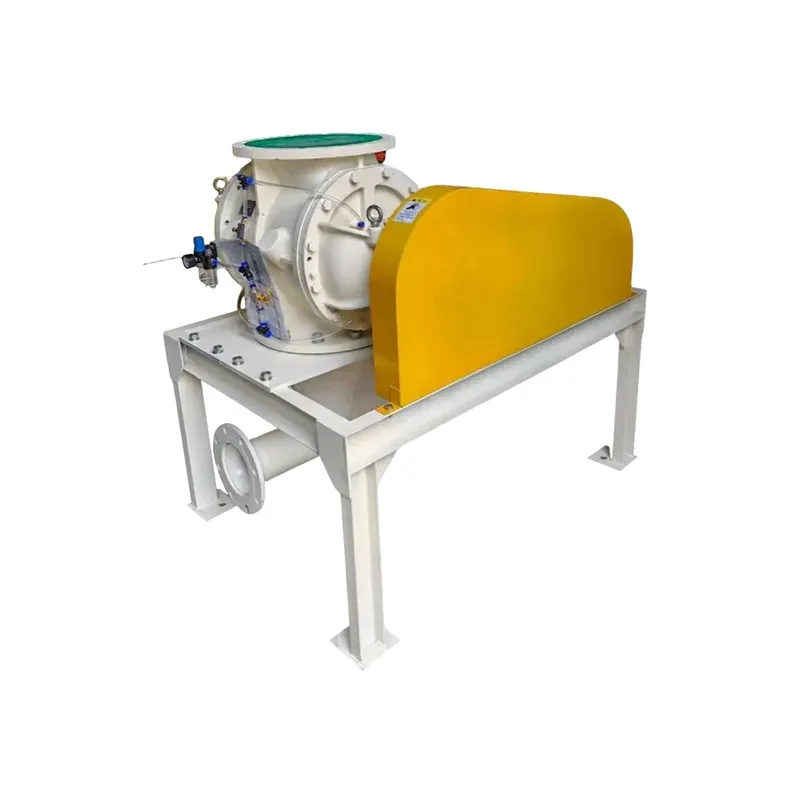
A rotary feeder is a critical component in modern bulk material handling equipment designed to control the steady discharge of materials from hoppers and storage vessels. The hopper discharge mechanism works by using a rotating impeller or blade system to break up material bridging, prevent arching, and ensure consistent flow rates. This precision-controlled discharge prevents production interruptions, reduces material waste, and significantly improves overall operational efficiency in industrial processing environments.
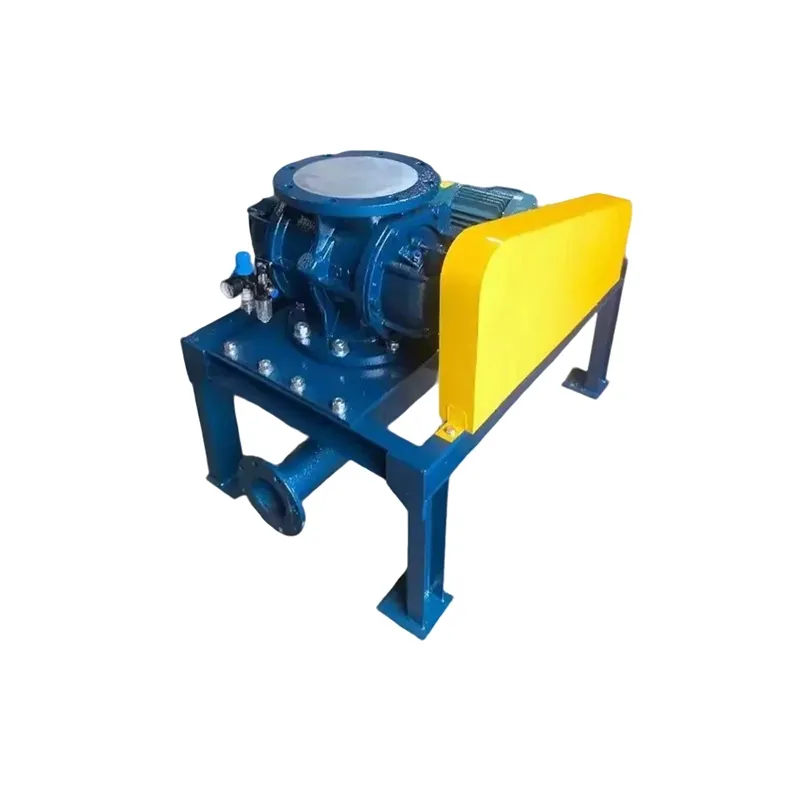
Organizations across the cement, powder coating, pharmaceutical, and food processing industries rely on rotary feeders to maintain uninterrupted production cycles. The vibratory feeder system concept complements rotary technology by offering additional control over material velocity and flow patterns. When integrated into a comprehensive bulk material handling equipment solution, rotary feeders deliver measurable returns through reduced downtime, improved product quality, and lower operational costs.
Precise Material Flow Control
Eliminating Bridging and Arching
Material bridging occurs when internal friction causes particles to form a stable arch above the discharge opening, completely blocking flow. A rotary feeder actively combats this problem by rotating a blade or impeller that continuously breaks up these arches and prevents them from forming. The hopper discharge mechanism ensures materials remain in motion, eliminating the need for manual intervention, mechanical vibrators, or secondary systems. This self-regulating behavior is especially valuable in handling cohesive materials like flour, cement, and dry chemicals that naturally resist flowing.
Achieving Consistent Discharge Rates
Consistency is fundamental to production scheduling and quality control in industrial processes. A rotary feeder delivers materials at a precisely controlled rate, enabling downstream equipment to operate at optimal capacity without surge or starvation conditions. The vibratory feeder system approach adds another layer of control for applications requiring variable flow rates. By combining rotary and vibratory technologies within your bulk material handling equipment configuration, operators gain unmatched flexibility in managing different material characteristics and production demands.
Operational Efficiency and Cost Reduction
Minimizing Material Loss and Spillage
Uncontrolled discharge from hoppers generates significant material waste through spillage, dusting, and segregation. A rotary feeder contains particles within the discharge stream, preventing them from escaping into the work environment. The hopper discharge mechanism also reduces air entrainment, which is critical for preserving material properties and improving downstream processing accuracy. For bulk material handling equipment operators, this containment translates directly to lower material costs, reduced cleanup requirements, and compliance with environmental and occupational safety regulations.
Extending Equipment Lifespan
Irregular discharge patterns force downstream conveyors, pneumatic lines, and processing equipment to handle sudden surges or prolonged idle periods. These stress cycles accelerate wear, increase maintenance frequency, and shorten asset lifespan. A rotary feeder smooths out these variations by maintaining steady material flow, which reduces mechanical shock and extends the operational life of connected machinery. This predictable performance is a key reason why experienced bulk material handling equipment managers specify rotary feeders as standard components in their systems.
Industry-Specific Advantages
Enhanced Product Quality
In pharmaceutical and food processing applications, particle degradation during handling can compromise product specifications and marketability. A rotary feeder handles materials gently by maintaining low-velocity, controlled discharge rather than allowing free-fall behavior. The vibratory feeder system philosophy prioritizes particle integrity, making it especially valuable for fragile or moisture-sensitive materials. Quality-focused manufacturers consistently cite improved batch uniformity and reduced rework costs after implementing a modern rotary feeder as part of their bulk material handling equipment infrastructure.
Scalability Across Applications
Rotary feeders are manufactured in sizes ranging from laboratory-scale units handling kilograms per hour to industrial installations processing hundreds of tons daily. This scalability makes rotary feeder technology suitable for startups, established enterprises, and everything in between. Whether your operation involves specialty chemicals, aggregates, minerals, or biomass, you can find a hopper discharge mechanism configuration that matches your exact capacity and material requirements. This flexibility demonstrates why the vibratory feeder system and rotary feeder concepts have become foundational elements of reliable bulk material handling equipment across nearly every processing industry.
FAQ
How does a rotary feeder improve reliability compared to gravity-only discharge?
Gravity-only discharge relies entirely on material weight and internal friction to flow, which creates unpredictable bridging, inconsistent rates, and frequent blockages. A rotary feeder uses active mechanical intervention through its rotating impeller to break material bridges, regulate flow velocity, and maintain consistent discharge. This controlled approach eliminates the guesswork and manual intervention required by gravity systems, making your bulk material handling equipment far more reliable and production-predictable.
What types of bulk materials work best with a rotary feeder?
Rotary feeders excel with cohesive, sticky, and bridging-prone materials such as cement, flour, powdered sugar, talc, and pharmaceutical compounds. They also perform exceptionally well with fibrous materials, aggregates, and items prone to segregation. The vibratory feeder system concept can be combined with rotary technology for materials requiring even gentler handling or precise velocity control. Your hopper discharge mechanism selection should be based on material bulk density, particle size distribution, moisture content, and desired flow rate.
Can a rotary feeder reduce production downtime significantly?
Yes, rotary feeders significantly reduce unplanned downtime by eliminating material flow blockages, reducing jamming incidents, and preventing equipment damage from surge conditions. Facilities that previously experienced frequent manual hopper clearing, production stops, and maintenance emergencies report dramatic improvements after installing a modern rotary feeder. Combined with other bulk material handling equipment upgrades, rotary feeders typically contribute to 20–40% reductions in lost production time, translating to measurable financial benefits and improved operational consistency.