
 EN
EN
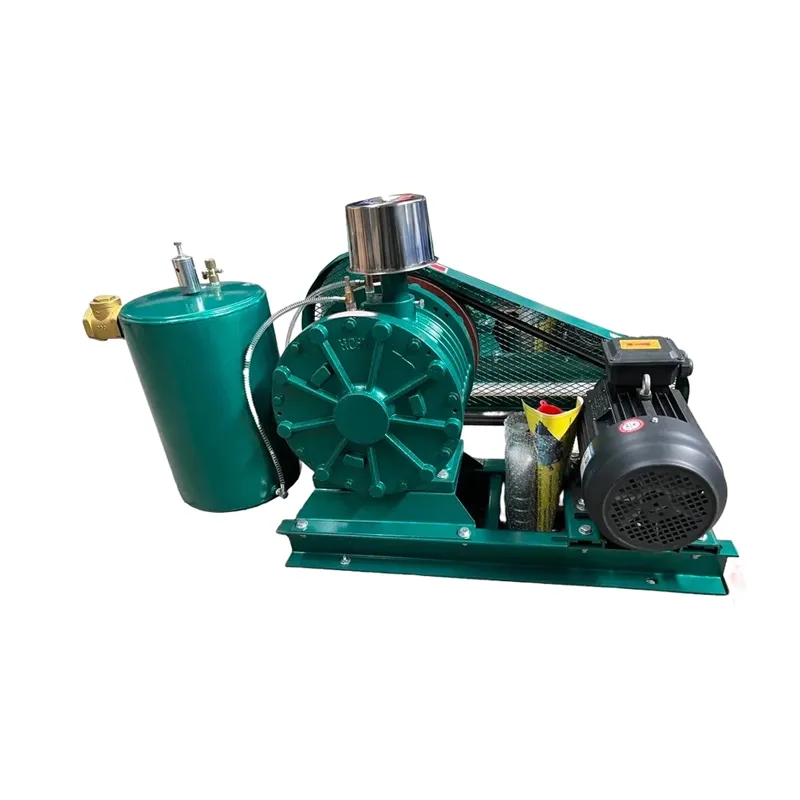
Selecting the right equipment for industrial air handling demands careful evaluation of multiple technical factors. Many facility managers and engineers make costly mistakes when choosing positive displacement blowers without fully understanding their operating characteristics, performance limitations, and application-specific requirements. These selection errors can result in equipment oversizing, undersizing, premature failure, excessive energy consumption, and operational inefficiency that compounds over years of operation.
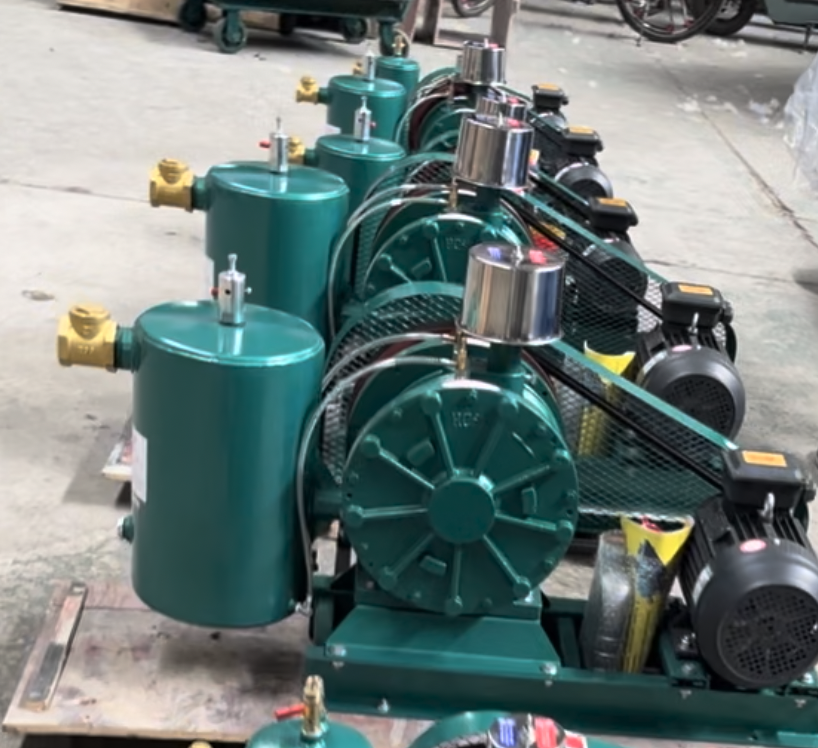
Understanding common pitfalls in positive displacement blower selection protects your capital investment and ensures reliable performance. Whether you operate wastewater treatment facilities, pneumatic conveying systems, aeration processes, or pressure applications, avoiding these mistakes upfront saves substantial costs in energy bills, maintenance, and potential system redesign. This guide explores the most frequent selection errors, their business impact, and how to make informed decisions aligned with your actual operational requirements.
Misunderstanding Performance Specifications and Pressure Requirements
Confusing Displacement with Actual Flow Output
A fundamental error occurs when engineers select positive displacement blower performance specifications based solely on volumetric displacement ratings without accounting for actual operating pressure and system resistance. Displacement in cubic feet per minute at a reference condition does not equal actual delivery flow under your real system conditions. Positive displacement blowers operate differently across varying pressure ranges, and their effective flow decreases as system backpressure increases. Many selection errors stem from this disconnect between nameplate ratings and field performance.
The critical mistake involves overlooking pressure margin requirements. Your system experiences peak pressure spikes during operation, filter loading, valve cycling, or line blockages. Selecting equipment based on average pressure rather than maximum system pressure leads to blower hunting, cycling, relief valve activation, or insufficient air delivery when demand peaks. Positive displacement blower performance specifications must include a safety margin of 10 to 20 percent above maximum anticipated system pressure to maintain stable operation and prevent thermal stress.
Ignoring Pressure-Flow Interaction Curves
Manufacturers provide performance curves showing how positive displacement blowers respond across pressure ranges, but many buyers focus only on peak flow ratings. These curves reveal that flow output changes dramatically as pressure increases. A blower rated at 500 CFM free air delivery might produce only 350 CFM at 10 PSI and 200 CFM at 20 PSI depending on design and operating conditions. Failing to reference these pressure-flow curves during selection creates dangerous mismatches between actual system capability and facility requirements.
Additionally, rotary lobe blower applications differ significantly from screw blower vs rotary blower efficiency profiles. Rotary lobe designs maintain relatively stable flow across pressure ranges but consume more energy at elevated pressures. Screw designs offer better efficiency at high pressures but deliver lower flow at lower pressures. Selecting the wrong positive displacement blower type based on pressure requirements represents a major efficiency and cost error that affects long-term operating economics.
Neglecting Application-Specific Operating Factors
Overlooking Temperature and Environmental Conditions
Temperature dramatically affects positive displacement blower performance yet remains overlooked in many selection processes. Inlet air temperature directly influences air density and blower capacity. Hot ambient air, waste heat integration, or geographic location affects performance availability. A blower selected for sea-level cool-climate performance will underperform in desert environments or high-altitude installations. Rotary lobe blower applications in high-temperature processes require temperature-rated motors, cooling jackets, or inlet air conditioning that adds system cost if not specified initially.
Humidity, dust, chemical vapor exposure, and corrosive environments also demand careful material and coating selections that many buyers neglect. Selecting standard positive displacement blower performance specifications for harsh environments leads to premature corrosion, bearing failure, and seal degradation. Marine environments, chemical plants, and food processing facilities require special consideration for material compatibility and coating protection that increases equipment cost but prevents costly downtime and replacement cycles.
Ignoring Flow Variability and Duty Cycle Requirements
Many selection errors arise from assuming constant or average flow needs rather than analyzing actual duty cycles. Industrial systems rarely operate at steady state. Wastewater aeration systems experience peak flows during high-rainfall periods, low flows during dry seasons, and variable flows throughout daily treatment cycles. Pneumatic conveying systems face batch loading with intermittent bursts followed by idle periods. Rotary lobe blower applications require matching variable capacity control methods, not just selecting fixed-displacement units rated at average demand.
Facility managers often purchase oversized positive displacement blower equipment hoping to accommodate future growth or peak scenarios, only to waste energy during normal operations. Undersizing to save capital cost creates insufficient system response during demand peaks, compromising process quality and reliability. The optimal selection requires analyzing seasonal variation, daily patterns, and emergency scenarios to right-size equipment and specify appropriate capacity control mechanisms that balance performance delivery with energy efficiency.
Underestimating Energy Consumption and Total Cost of Ownership
Focusing Only on Purchase Price Rather Than Operating Costs
The most expensive selection error involves purchasing the lowest-priced positive displacement blower without considering efficiency ratings or energy consumption. Industrial blowers operate for thousands of hours annually, and inefficient designs consume vastly more electricity than premium alternatives. A lower-efficiency positive displacement blower performing at 75 percent overall efficiency versus 85 percent efficiency on a five-year facility operation represents tens of thousands of dollars in additional electricity costs. This calculation often justifies premium equipment pricing within one to two years of operation.
Many facility managers neglect total cost of ownership analysis and screw blower vs rotary blower efficiency comparisons during selection. Screw designs typically offer 5 to 10 percent better efficiency than rotary lobe designs at moderate to high pressures, yet cost slightly more initially. The energy savings over equipment lifespan justify the higher capital investment, but buyers comparing only purchase price miss this economic benefit. Energy audits and life-cycle cost analysis prevent this selection error and identify the most economical equipment investment.
Overlooking Motor Sizing and Thermal Management
Undersizing motors to reduce equipment cost represents another costly selection mistake with positive displacement blower applications. Motors must accommodate pressure transients, starting inrush, and thermal margin without overheating. Selecting motors based on average load rather than peak requirement causes burnout during system pressure spikes or continuous operation in elevated ambient temperatures. Rotary lobe blower applications particularly demand robust motor sizing because their operating curve creates high torque loads during pressure changes that smaller motors cannot sustain.
Thermal management failures directly result from inadequate cooling and motor capacity selection. Positive displacement blower performance specifications must include thermal analysis ensuring inlet cooling, discharge cooling, or motor heat dissipation matches operating conditions. Systems lacking proper cooling experience shortened bearing life, seal failure, and motor burnout. Facility managers who overlook thermal requirements during selection face expensive unplanned replacements and operational disruptions within months rather than years of service life.
FAQ
What is the most common selection error with positive displacement blowers?
The most frequent mistake involves selecting equipment based on displacement ratings without accounting for actual system pressure and backpressure effects. Positive displacement blower performance specifications must always reference pressure-flow curves and include pressure margin for peak system conditions, not average operating requirements.
How does screw blower vs rotary blower efficiency impact long-term operating costs?
Screw designs typically deliver 5 to 10 percent better efficiency than rotary lobe models at high pressures, translating to substantial electricity savings over equipment lifespan. Selecting rotary lobe blower applications for high-pressure duty when screw designs offer superior efficiency represents a common and expensive oversight that affects total cost of ownership significantly.
Why should I avoid oversizing positive displacement blowers?
Oversized positive displacement blowers waste energy during normal operations, increasing electricity costs and creating system instability through excessive cycling. Proper selection based on peak system requirements with appropriate capacity control mechanisms balances performance delivery, equipment investment, and operational efficiency far better than purchasing oversized equipment hoping for future growth accommodation.