
 EN
EN
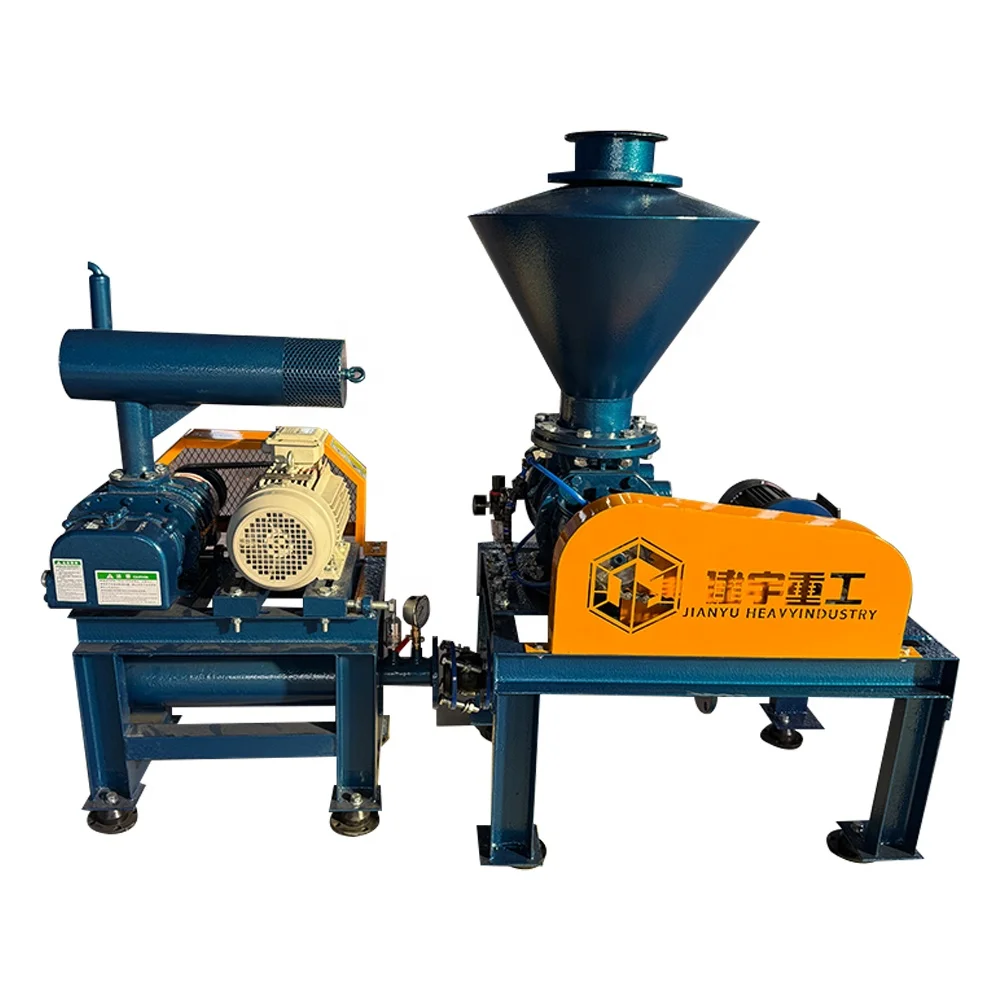
Factory operating efficiency depends on reliable pneumatic systems that deliver consistent air pressure and flow. A lobe roots blower serves as a cornerstone technology for manufacturers seeking to optimize energy performance and production reliability. This rotary displacement device creates continuous air movement by trapping air between rotating lobes and the blower housing, delivering precise flow rates that industrial processes demand. Understanding how this equipment enhances factory operations helps facility managers make informed decisions about pneumatic infrastructure investments.
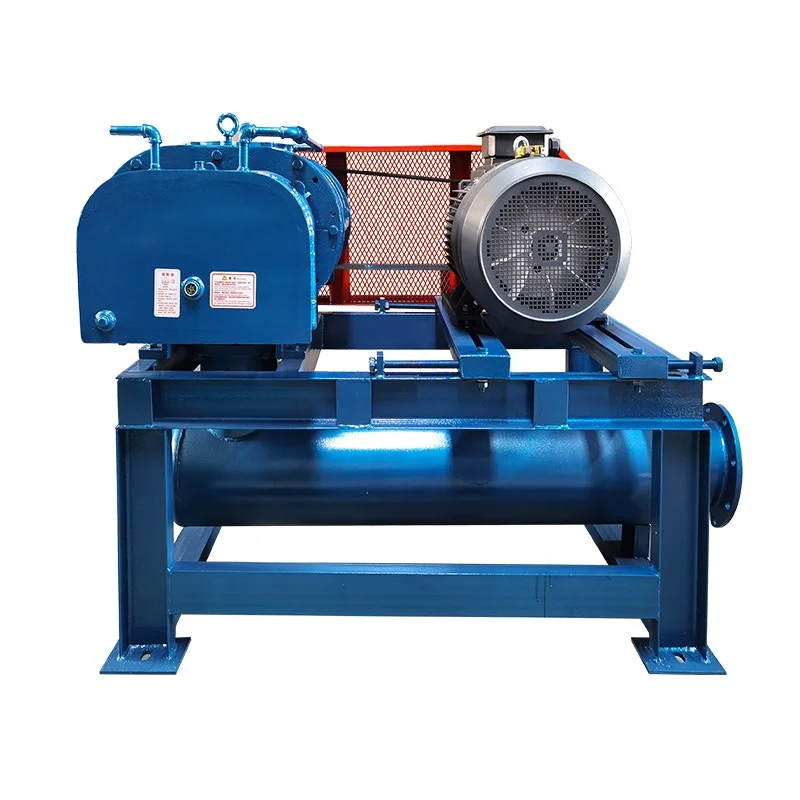
The rotary lobe compressor specifications available today reflect decades of engineering refinement aimed at maximizing output while minimizing energy waste. Positive displacement blower applications span diverse industrial sectors including wastewater treatment, pneumatic conveying, food processing, and chemical manufacturing. By selecting equipment with appropriate displacement volume and operating speed, factories reduce power consumption per unit of air delivered. This efficiency translates directly into lower operating costs and improved overall production economics.
Understanding Positive Displacement Blower Applications
Core Operating Principles
A rotary lobe compressor works by capturing air in expanding chambers between rotating lobes and the housing walls. As the lobes rotate, they compress and displace air toward the discharge port, creating steady, pulsating flow patterns. Unlike centrifugal blowers that rely on speed to generate pressure, positive displacement blower applications maintain consistent flow regardless of discharge pressure changes within operating limits. This characteristic makes lobe roots blower technology ideal for processes requiring stable air supply under varying load conditions. The displacement volume directly determines how much air volume moves per rotation, allowing precise matching of equipment size to process needs.
Industrial Sector Integration
Manufacturing facilities employ positive displacement blower applications across multiple operational domains. Wastewater treatment plants use rotary lobe compressor specifications to power aeration systems that activate biological treatment processes. Pneumatic conveying systems depend on steady air flow to transport bulk materials through pipelines efficiently. Food processing operations require blowers that deliver clean, consistent air for drying, cooling, and packaging applications. Chemical manufacturing relies on precise air displacement for reaction vessel pressurization and inert gas purging. Each application benefits from the reliability and efficiency characteristics that define modern lobe roots blower design.
Optimizing Factory Operations Through Equipment Selection
Matching Equipment to Process Requirements
Factory efficiency gains begin with selecting rotary lobe compressor specifications that match actual process demands. Oversizing equipment wastes capital and increases operating costs through unnecessary energy consumption. Undersizing creates performance bottlenecks and requires maintenance interventions to maintain pressure standards. Facility engineers assess peak flow requirements, minimum sustained pressure, intermittent versus continuous duty cycles, and ambient operating conditions. A properly sized lobe roots blower delivers exact air volumes needed while operating at optimal efficiency points. This precision selection approach prevents energy waste and extends equipment service life through reduced mechanical stress.
Energy Efficiency and Cost Reduction
The displacement design of a lobe roots blower minimizes energy loss compared to other compression technologies. Each rotation moves a fixed volume of air, creating inherent efficiency regardless of output pressure within operating ranges. Modern rotary lobe compressor specifications incorporate advanced sealing designs that reduce internal leakage between compression chambers. Optimized lobe profiles reduce friction and wear, extending maintenance intervals and reducing downtime. Facilities implementing positive displacement blower applications often achieve energy savings of fifteen to twenty-five percent through improved system efficiency. These reductions compound annually, delivering significant return on investment over equipment service life spanning ten to fifteen years.
Industrial Air Blower Maintenance and System Reliability
Preventive Maintenance Protocols
Maximizing factory efficiency requires systematic industrial air blower maintenance that prevents unexpected failures. Lobe roots blower technology depends on precise clearances between rotating components and housing surfaces. Regular monitoring of discharge temperature, vibration levels, and acoustic signatures reveals wear patterns before critical failures develop. Oil analysis programs track bearing condition and detect contamination that accelerates degradation. Scheduled seal inspections and replacements prevent air leakage that reduces rotary lobe compressor specifications performance. Facilities implementing comprehensive maintenance programs reduce unplanned downtime by forty to fifty percent while extending equipment intervals between overhauls.
System Optimization Through Diagnostics
Efficient factory operations depend on blower systems operating at peak capacity. Industrial air blower maintenance includes performance monitoring that identifies efficiency degradation trends. Pressure drop measurements across intake filters reveal clogging that reduces available air flow despite positive displacement blower applications remaining mechanically sound. Temperature monitoring detects excessive wear generating friction heat that indicates replacement timing. Vibration analysis identifies developing imbalances before mechanical damage propagates. Regular capacity testing confirms that lobe roots blower equipment delivers rated displacement volume, alerting maintenance teams to seal wear or internal leakage requiring attention. These diagnostic practices transform maintenance from reactive breakdown response to proactive performance preservation.
FAQ
What specific industrial applications benefit most from lobe roots blower technology?
Wastewater treatment aeration, pneumatic conveying systems, food and beverage processing, chemical manufacturing, and pharmaceutical production represent primary industrial applications. These sectors value the consistent flow rates and reliability that rotary lobe compressor specifications provide. Any process requiring steady air displacement under varying pressure conditions finds lobe roots blower technology particularly advantageous. Positive displacement blower applications in these industries reduce energy costs while improving product quality and operational consistency.
How do rotary lobe compressor specifications impact long-term factory operating costs?
Equipment displacement volume directly determines energy consumption and air delivery capacity. Properly specified positive displacement blower applications operate near optimal efficiency points, minimizing wasted energy. Lower operating speeds reduce wear rates and extend intervals between industrial air blower maintenance procedures. Quality rotary lobe compressor specifications with advanced sealing designs maintain efficiency longer, deferring expensive replacements. Over ten-year ownership periods, efficiency gains from correct equipment selection typically reduce total operating costs by twenty to thirty-five percent compared to oversized or undersized alternatives.
What maintenance activities most effectively preserve lobe roots blower efficiency?
Intake filter changes, oil analysis, seal inspections, and performance capacity testing form the foundation of preventive industrial air blower maintenance. Monitoring discharge temperature and vibration signatures reveals developing problems before critical failures. Cleaning or replacing filters maintains air intake quality and prevents particulate contamination. Regular rotary lobe compressor specifications performance verification confirms equipment delivers rated displacement volume. Implementing systematic maintenance schedules that include these activities preserves efficiency while extending equipment service life significantly beyond minimum functional operating periods.