
 EN
EN
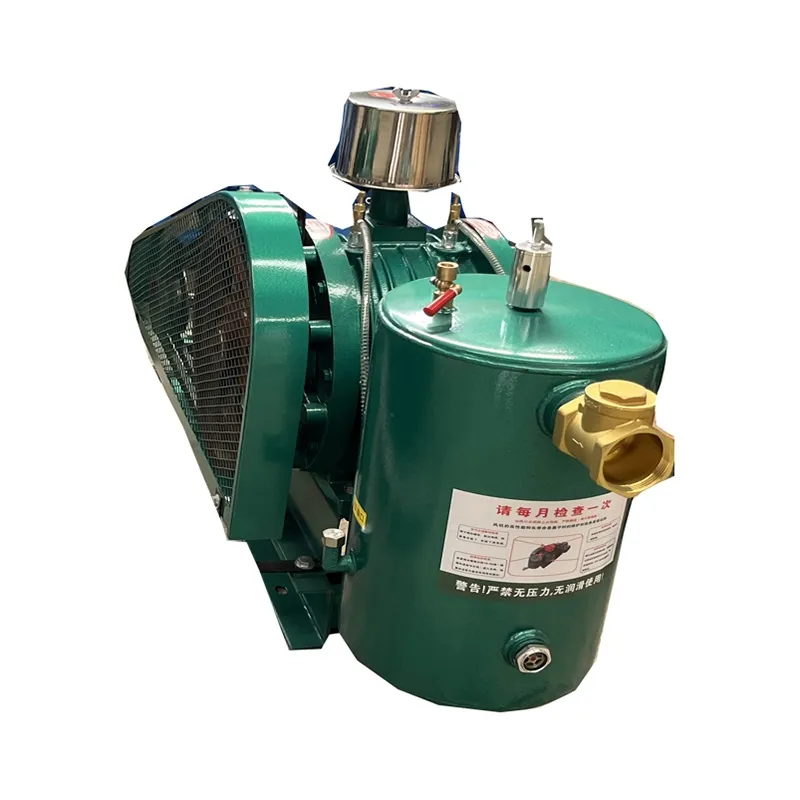
An aeration blower is a mechanical device designed to introduce air into water bodies or treatment tanks by forcing compressed air through diffusers or injection points. These systems are essential in both industrial wastewater treatment and environmental pond management, where oxygen levels directly influence biological processes and water quality. Understanding how an aeration blower functions helps facility managers select appropriate equipment, optimize operational efficiency, and maintain compliance with environmental standards.
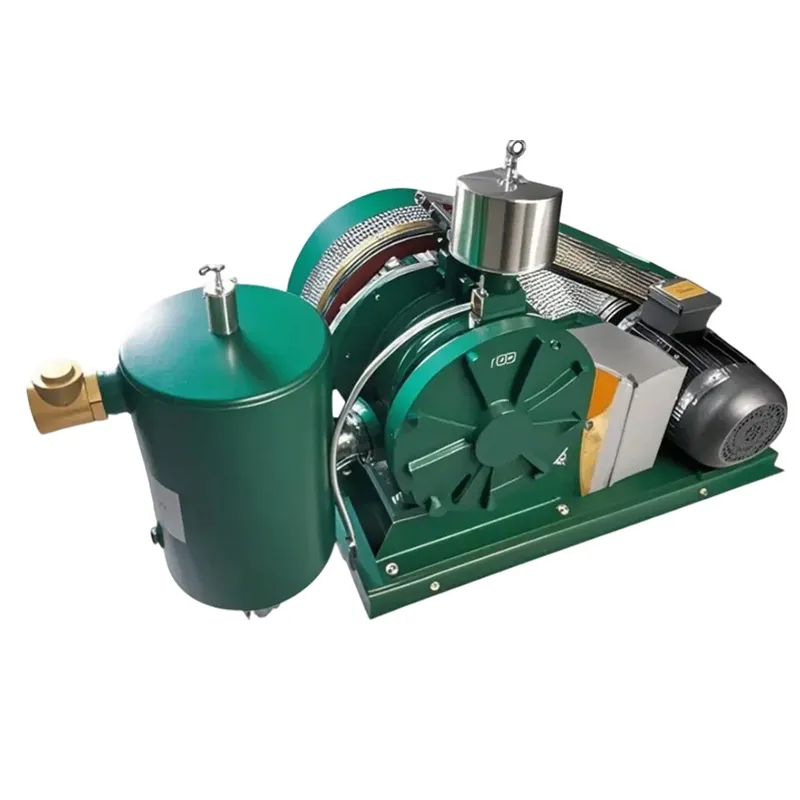
The aeration blower operates by drawing ambient air and compressing it to deliver a steady, controlled flow into the water column. A pond aeration system relies on this pressurized air delivery to create turbulence and increase surface area contact, enabling oxygen transfer into the water. In wastewater treatment applications, the aeration blower supplies the oxygen needed for microbial decomposition of organic matter, which is critical for activated sludge processes and other biological treatment methods.
Core Components and Operational Mechanics
Motor and Impeller Configuration
An aeration blower typically consists of an electric motor coupled to a rotating impeller or rotor assembly. The motor drives the impeller at a fixed or variable speed, pulling outside air into an inlet chamber and forcing it through compression stages. Positive displacement and centrifugal designs are common; positive displacement blowers deliver consistent volume regardless of back pressure, while centrifugal models adjust output based on resistance in the distribution network.
The impeller design determines efficiency, noise level, and pressure capacity. For wastewater treatment blower applications, the compression ratio must overcome the depth and resistance within the tank or basin where air is introduced. Facility operators must verify that the motor power rating matches the intended pond aeration system depth and required air volume to prevent equipment strain and premature failure.
Air Delivery and Pressure Control
Once the blower compresses air, it travels through discharge piping to the air diffuser installation point. Pressure regulators and check valves control flow rate and prevent backflow when the blower cycles off. A pond aeration system may include multiple air diffuser installation zones to distribute oxygen evenly across the water surface or throughout deeper treatment tanks.
The wastewater treatment blower must maintain consistent discharge pressure, typically ranging from 2 to 10 pounds per square inch (psi), depending on application depth and diffuser type. Under-sized blowers fail to achieve adequate pressure, while oversized units waste energy and accelerate component wear. Pressure monitoring gauges allow operators to detect system imbalances before they compromise treatment efficacy or increase operational costs.
Air Diffuser Installation and Oxygen Transfer
Diffuser Types and Placement Strategy
Air diffuser installation determines how effectively the aeration blower oxygen transfer occurs. Fine bubble diffusers create small bubbles that rise slowly through water, maximizing oxygen dissolution time. Coarse bubble diffusers generate larger bubbles and more turbulence, suitable for shallow ponds or heavily loaded treatment tanks where rapid mixing takes priority over transfer efficiency.
Successful air diffuser installation requires positioning diffusers near the tank or pond bottom to maximize bubble residence time and oxygen contact area. In a pond aeration system, diffusers may be mounted on weighted lines or grid assemblies to maintain consistent depth and prevent drift. For wastewater treatment blower systems, submerged diffusers must be accessible for cleaning, as clogging reduces air flow and forces the blower to work harder, consuming excess energy.
Integration with Treatment Workflows
The aeration blower serves as the heart of biological treatment in wastewater systems. As the blower supplies compressed air to submerged diffusers, activated sludge organisms receive the dissolved oxygen necessary for aerobic decomposition. Treatment efficiency depends on matching blower capacity to organic loading rates and microbial oxygen demand within the tank.
A pond aeration system achieves similar biological benefits by maintaining adequate dissolved oxygen levels, which prevents anaerobic conditions that produce odors and kill fish populations. Operators monitor dissolved oxygen concentrations and adjust blower run times or air flow rates to optimize performance. Undersized equipment cannot sustain required oxygen levels during peak demand periods, while oversized systems incur unnecessary operational expense and potential equipment stress.
System Design and Selection Factors
Calculating Blower Requirements
Selecting an appropriately sized aeration blower requires calculating required air flow in cubic feet per minute (cfm) based on treatment objectives and water characteristics. For a wastewater treatment blower, engineers estimate oxygen demand from biochemical oxygen demand (BOD) loading and design sludge retention time. Pond aeration system design depends on surface area, depth, seasonal biological activity, and desired dissolved oxygen target concentration.
A pond aeration system typically requires 1 to 3 horsepower per acre of water surface, though exact requirements vary with climate, stocking density, and water quality goals. The wastewater treatment blower capacity must be verified against tank volume, incoming BOD concentration, and operational flow rates. Undersized equipment fails to meet treatment standards and regulatory discharge limits, while oversized units increase capital and energy costs unnecessarily.
Energy Efficiency and Operational Control
Modern aeration blower systems incorporate variable frequency drives (VFDs) to modulate motor speed and match air flow output to actual demand. This control strategy reduces energy consumption when biological oxygen demand decreases, such as during low-flow periods or when treatment objectives are met. A pond aeration system equipped with dissolved oxygen sensors and automated control can activate the blower only when oxygen levels drop below target thresholds, extending equipment life and reducing operating costs.
Regular maintenance of the aeration blower, including motor lubrication, impeller inspection, and diffuser cleaning, ensures sustained efficiency and prevents costly downtime. For wastewater treatment blower applications, preventive maintenance schedules should align with influent characteristics and operational intensity. A pond aeration system requires seasonal inspection and may benefit from winterization procedures in cold climates where ice formation affects diffuser accessibility and blower operation.
FAQ
What dissolved oxygen levels should a pond aeration system maintain?
Most pond environments benefit from dissolved oxygen levels between 4 and 8 milligrams per liter (mg/L). A pond aeration system should prevent oxygen depletion that leads to fish kills, odor generation, and sediment degradation. Target levels depend on specific fish species, stocking density, and seasonal conditions; operating above 5 mg/L generally supports healthy aerobic pond ecology.
How often must an air diffuser installation require maintenance or replacement?
Air diffuser installation maintenance frequency depends on water quality and blower usage intensity. Fine bubble diffusers typically require cleaning every 3 to 6 months to remove algae and mineral buildup that restricts air flow. In wastewater treatment applications, diffusers may require more frequent inspection, especially if the influent contains oils, grease, or suspended solids that accumulate on diffuser surfaces and reduce oxygen transfer efficiency.
Can a single aeration blower service multiple ponds or treatment tanks?
Yes, a single aeration blower can supply multiple ponds or treatment zones through a manifolded pipe network with individual flow control valves. However, the blower capacity must accommodate the total air flow demand of all diffusers, and pressure loss through extended piping must be calculated to ensure adequate air delivery to distant diffusers. Wastewater treatment blower systems often employ multiple smaller blowers for redundancy and operational flexibility rather than relying on a single large unit.