
 EN
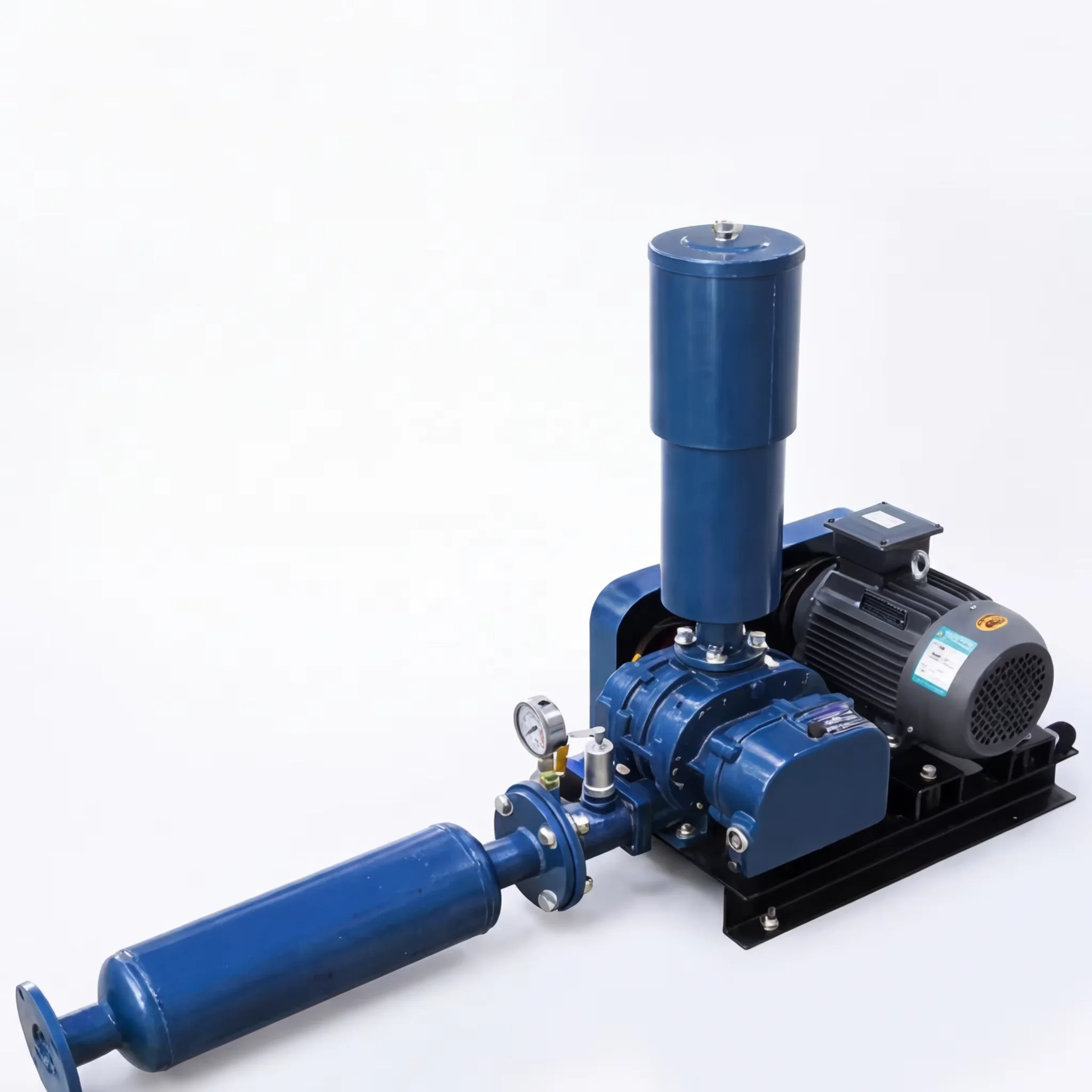
A three lobe roots blower stands out in industrial air compression system efficiency because of its precision-engineered rotor design and proven track record in demanding applications. Unlike traditional two-lobe designs, the three-lobe configuration delivers consistent flow rates, reduces pulsation, and minimizes energy waste across the compression cycle. These characteristics make three lobe roots blowers particularly valuable for positive displacement blower applications where reliability and performance directly impact operational costs.
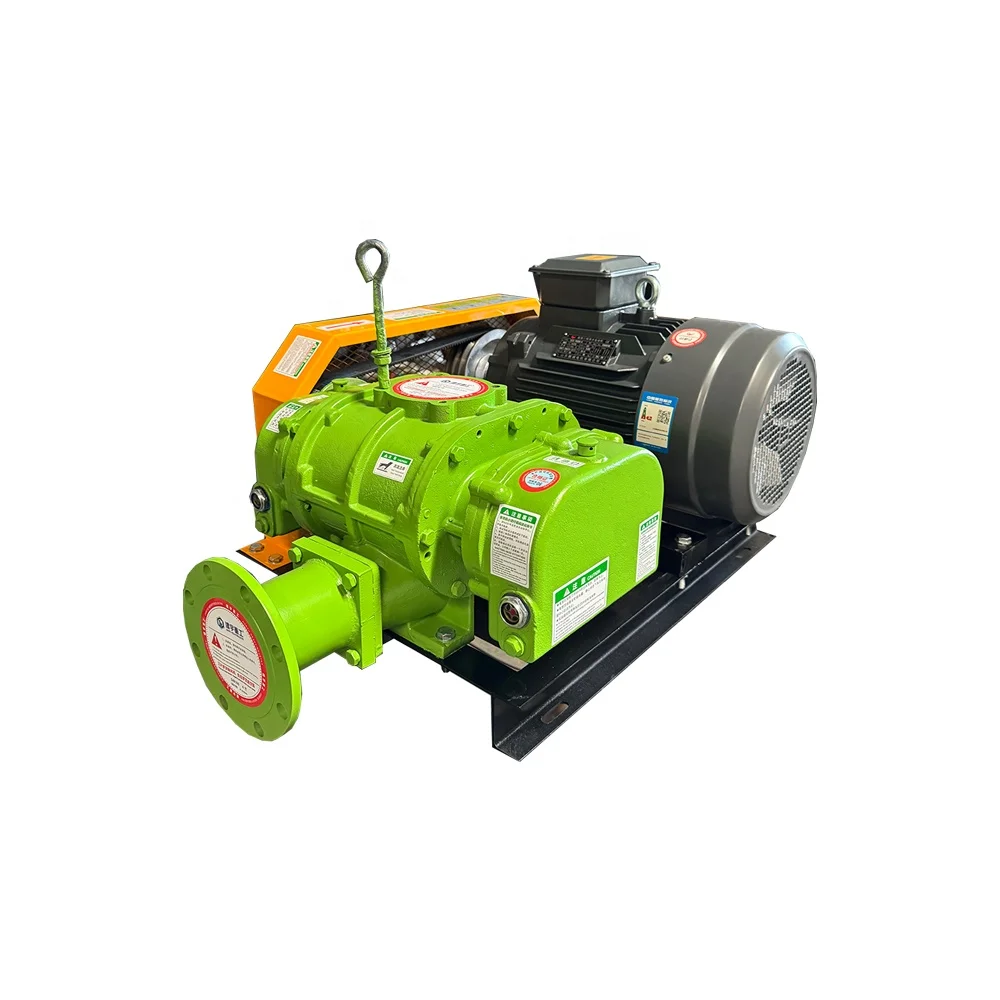
Understanding the mechanical and thermodynamic advantages of three lobe roots blower technology reveals why this design remains the preferred choice for food processing, wastewater treatment, pneumatic conveying, and aquaculture systems. The efficiency gains come from multiple design factors that work together to reduce friction, heat generation, and volumetric losses during each compression stroke. Industrial air compression system efficiency directly influences electricity consumption, maintenance frequency, and overall equipment lifespan.
Design Geometry and Volumetric Efficiency
Three-Lobe Rotor Configuration Benefits
The three-lobe geometry creates three compression chambers per rotor revolution instead of two, which fundamentally improves flow consistency and reduces pressure ripple. Each lobe seals and releases air in a smoother sequence, minimizing shock loads on the rotors and bearings. This geometry directly enhances rotary lobe blower maintenance and troubleshooting outcomes by reducing component wear rates and extending service intervals. The larger displacement per revolution means higher volumetric efficiency and lower specific energy consumption per unit of air delivered.
Clearance Optimization and Internal Leakage
Precision manufacturing tolerances in three lobe roots blower design maintain tighter clearances between rotors and between rotors and casing walls. Smaller internal gaps reduce re-expansion losses and minimize the volume of compressed air that leaks back during the decompression phase. Modern positive displacement blower applications depend on this leakage control to maintain consistent delivery pressure across variable load conditions. When internal leakage is minimized, the blower transfers a higher percentage of input energy directly into useful compressed air output.
Thermal and Pressure Management
Heat Generation and Cooling Efficiency
Three lobe roots blower designs generate less waste heat per unit of air flow because the smoother pressure profile reduces throttling losses and friction heating. The constant engagement pattern of three lobes distributes frictional loads more evenly across the rotor surfaces compared to two-lobe designs. Industrial air compression system efficiency improves when waste heat remains lower because less cooling capacity is required and compressor discharge temperatures stay within optimal operating ranges. Many operators report energy savings of eight to fifteen percent when upgrading from two-lobe to three-lobe positive displacement blower configurations.
Valve and Port Design Integration
Advanced inlet and discharge valve designs in three lobe roots blower systems minimize turbulent flow and pressure spikes during intake and delivery phases. Streamlined internal porting reduces flow restrictions and allows air to move with minimal resistance through compression chambers. Rotary lobe blower maintenance and troubleshooting complexity decreases when valve designs prevent cavitation, water hammer effects, and shock-induced vibration. Lower operating pressures during the intake phase also reduce bearing loads and extend seal life.
Operational Efficiency Across Industrial Applications
Variable Load Performance and Control
Three lobe roots blower efficiency remains stable across partial-load operation because the rotor design maintains consistent displacement regardless of pressure variation. Positive displacement blower applications in wastewater aeration, pneumatic conveying, and food processing often experience fluctuating demand. The three-lobe design adapts to these load changes without significant efficiency degradation, ensuring predictable power consumption and reliable air delivery. Operators can implement capacity control methods without sacrificing the inherent efficiency advantages of the three-lobe geometry.
Noise and Vibration Reduction
Smoother pressure delivery cycles in three lobe roots blower designs produce lower noise levels and reduced vibration transmission to mounting structures. Industrial air compression system efficiency includes acoustic performance because noise reduction enables installation in sensitive environments and reduces dampening material costs. The sequential engagement of three lobes creates a more uniform loading pattern that minimizes impulsive forces. Rotary lobe blower maintenance and troubleshooting becomes simpler when lower vibration levels reduce bearing stress and component fatigue.
Real-World Efficiency Comparisons and Applications
Energy Consumption in Production Environments
Aquaculture facilities, fish farming operations, and water treatment plants have documented consistent improvements in power efficiency after installing three lobe roots blower systems. A typical transition from two-lobe to three-lobe positive displacement blower applications shows electricity consumption reductions between ten and eighteen percent for equivalent air delivery volumes. These operational gains compound over months and years, resulting in substantial cost savings across facility lifespans. Industrial air compression system efficiency directly influences profitability in energy-intensive industries where blower operation consumes significant electrical budgets.
Maintenance Cost Implications
Three lobe roots blower designs reduce unplanned downtime and extend intervals between major overhauls because lower operating stress preserves component integrity. Rotary lobe blower maintenance and troubleshooting costs decrease when rotor wear, bearing degradation, and seal deterioration progress more slowly. Extended bearing life, reduced oil consumption, and fewer seal replacements contribute to lower total cost of ownership throughout the equipment lifecycle. Predictable maintenance scheduling becomes possible when the three-lobe design delivers consistent operating conditions.
FAQ
Why do three lobe roots blowers consume less energy than two-lobe models?
Three lobe roots blowers deliver better industrial air compression system efficiency because three lobes per revolution create smoother pressure delivery, reduce internal leakage, and minimize shock loads. The geometry generates less waste heat and operates with lower friction losses, resulting in more input energy converting to useful compressed air output rather than heat dissipation.
How does rotary lobe blower maintenance and troubleshooting differ between three-lobe and two-lobe designs?
Three-lobe configurations produce lower vibration and operating stress, which reduces bearing wear, seal degradation, and rotor fatigue. Maintenance intervals extend, components last longer, and operators encounter fewer emergency repairs. Troubleshooting typically focuses on preventive maintenance rather than addressing accelerated component wear patterns common in less efficient two-lobe systems.
Are three lobe roots blowers suitable for all positive displacement blower applications?
Yes, three lobe roots blower designs work effectively across wastewater treatment, food processing, pneumatic conveying, aquaculture, and general industrial applications. Their superior efficiency, lower noise, and reduced maintenance requirements make them ideal for operations where energy costs and reliability matter significantly. The investment premium over two-lobe designs typically recovers within two to four years through cumulative electricity savings.