
 EN
EN
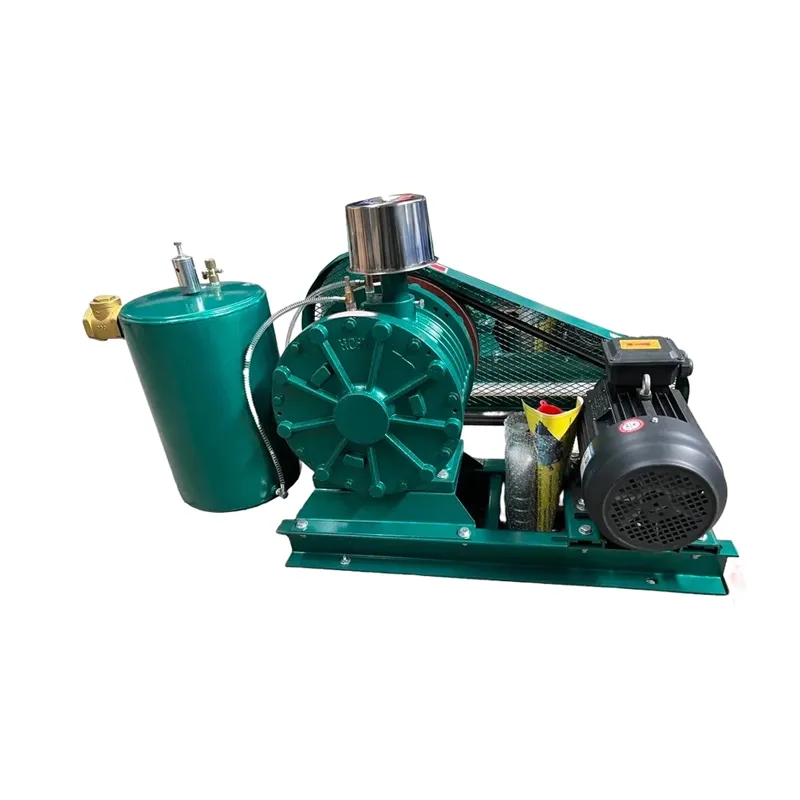
A rotary lobe blower operates as a positive displacement machine that delivers consistent airflow across varying pressure conditions. Understanding the operating conditions that drive peak performance is critical for industrial applications ranging from wastewater aeration to pneumatic conveying. The ability of a rotary lobe blower to maintain steady output depends heavily on temperature, pressure, inlet conditions, and mechanical maintenance standards.
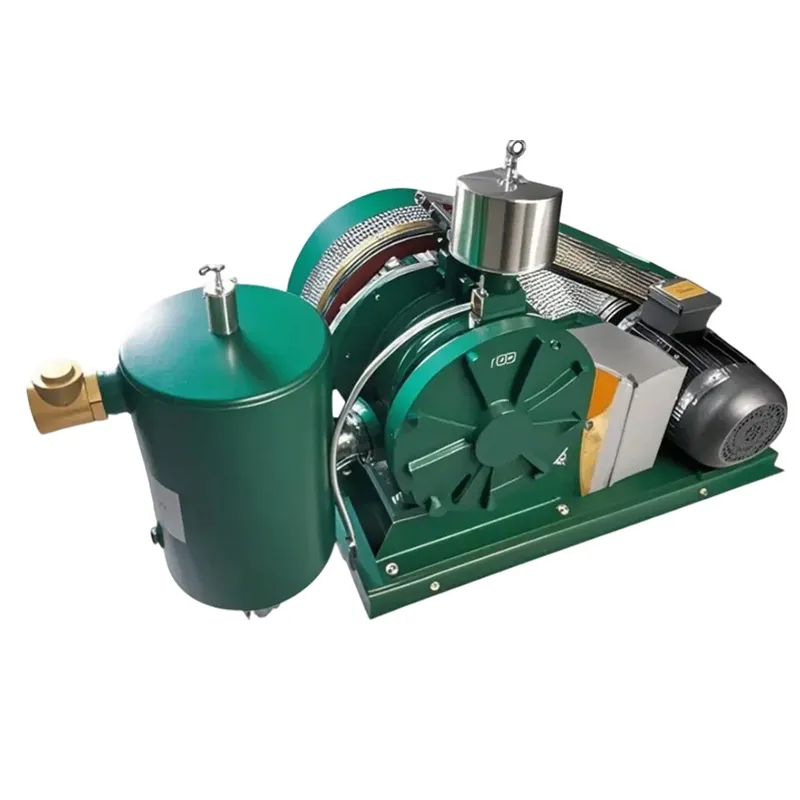
Peak performance from a rotary lobe blower is not automatic—it requires operators and maintenance teams to actively manage environmental factors, system pressures, and mechanical conditions. When these elements align correctly, a rotary lobe blower can deliver reliable, efficient service for years. When they drift from optimal ranges, efficiency declines and equipment stress accelerates. This article explores the specific operating conditions that define successful rotary lobe blower performance and how to achieve them consistently.
Temperature and Thermal Management
Ambient Temperature Effects
Ambient temperature directly influences rotary lobe blower inlet air density and cooling capacity. Cold air entering a rotary lobe blower is denser, requiring more mechanical work to move the same volume, which increases energy consumption and heat generation within the unit. Conversely, hot ambient air reduces inlet density and allows the blower to operate with less strain, but discharge temperature rises significantly. Most rotary lobe blower designs specify an optimal ambient operating range, typically between 32°F and 104°F (0°C to 40°C). Operating outside this range stresses the rotor bearings and seals.
Discharge Temperature Control
The discharge temperature of a rotary lobe blower is a critical performance indicator. When operating under high differential pressure, the compression of air inside the housing generates internal heat. Many positive displacement blower applications experience discharge temperatures exceeding 200°F (93°C) under load. Prolonged operation above manufacturer-specified discharge temperature limits can degrade rotor materials, accelerate seal wear, and reduce bearing lubrication effectiveness. Proper cooling, adequate intake filters, and appropriate pressure relief settings help keep discharge temperatures within safe ranges for sustained rotary lobe blower performance.
System Pressure and Flow Optimization
Matching Pressure Requirements
A rotary lobe blower delivers nearly constant volume across a wide pressure range, unlike centrifugal designs. However, this positive displacement blower characteristic becomes a liability if system backpressure exceeds design limits. When a rotary lobe blower vs centrifugal blower comparison focuses on pressure flexibility, the rotary design tolerates higher sustained pressures but at the cost of increased mechanical stress and energy draw. Most industrial rotary lobe blower units are rated for specific maximum discharge pressures—typically 15 to 20 psig for standard configurations. Exceeding this pressure causes excessive rotor deflection, increased wear, and shortened bearing life.
Flow Consistency and Load Variability
Positive displacement blower applications benefit from the inherent flow consistency of rotary lobe designs. Unlike centrifugal blowers that vary output with speed, a rotary lobe blower maintains nearly constant volume delivery regardless of pressure fluctuations within its rated range. This reliability makes the rotary lobe blower ideal for applications requiring stable airflow, such as wastewater treatment aeration and material handling. However, when downstream loads change unpredictably, uncontrolled discharge pressure spikes can occur. Operating a rotary lobe blower with appropriate pressure relief and bypass systems protects the unit and maintains peak efficiency during variable load conditions.
Inlet Conditions and Maintenance Priorities
Air Quality and Filtration Standards
Clean inlet air is foundational to rotary lobe blower performance and longevity. Dust, moisture, and contaminants entering the intake accelerate rotor and bearing wear, degrade lubrication films, and increase discharge temperature. A rotary lobe blower maintenance and troubleshooting schedule must include regular inspection and replacement of inlet filters. Most manufacturers recommend filter replacement when pressure drop across the filter element reaches 2 to 3 inches of water column. Neglecting filter maintenance causes the rotary lobe blower to work harder, consume more energy, and deteriorate faster.
Moisture and Humidity Control
Humidity and moisture in inlet air represent a significant challenge for sustained rotary lobe blower performance. High humidity increases the density of intake air, forcing the blower to expend additional energy per unit volume moved. More critically, water vapor can condense inside the housing during cooling periods, leading to corrosion of internal surfaces and contamination of bearing oil. Many positive displacement blower applications in humid climates benefit from inlet air drying systems or moisture separators. Monitoring rotary lobe blower maintenance and troubleshooting logs for signs of moisture ingress—such as oil discoloration or rotor rust—helps operators detect and correct humidity issues before they cause mechanical failure.
Mechanical Condition and Performance Stability
Lubrication and Oil Quality
Proper lubrication is essential for rotary lobe blower peak performance. The bearings and gear sets supporting rotor rotation depend on clean, viscosity-appropriate oil to minimize friction and heat generation. A rotary lobe blower maintenance protocol must include regular oil analysis to detect wear metals, contamination, and viscosity drift. Using the manufacturer-specified oil grade ensures that lubrication remains effective across the full operating temperature range. Oil change intervals vary by design and application, but most industrial units require oil replacement annually or after 4000 to 8000 operating hours.
Alignment and Vibration Monitoring
Rotor alignment and system vibration directly affect rotary lobe blower longevity and efficiency. Misalignment between the drive motor and blower housing causes rotor wobble, increases friction, and accelerates bearing wear. When comparing rotary lobe blower vs centrifugal blower performance, the rotary design is more sensitive to alignment errors because the rotary lobes operate with tighter clearances to maintain volumetric efficiency. A sound rotary lobe blower maintenance and troubleshooting program includes periodic vibration analysis and shaft alignment checks. Elevated vibration levels often signal bearing degradation, rotor damage, or foundation instability requiring immediate attention.
FAQ
What inlet temperature range maximizes rotary lobe blower efficiency?
Most rotary lobe blower units deliver peak efficiency when inlet air temperature falls between 32°F and 104°F (0°C to 40°C). Operation outside this range increases energy consumption and thermal stress. Cold air requires more mechanical work because it is denser, while hot air raises discharge temperature excessively. Operators should install temperature monitoring and consider cooling or heating systems if ambient conditions regularly exceed these limits.
How often should rotary lobe blower maintenance and troubleshooting inspections occur?
Rotary lobe blower maintenance and troubleshooting schedules depend on application intensity and environmental conditions. Most industrial positive displacement blower applications require monthly visual inspections, quarterly filter checks, and annual oil analysis. High-duty applications or harsh environments may warrant more frequent intervals. Regular maintenance prevents unexpected shutdowns and extends equipment life significantly.
When is a rotary lobe blower vs centrifugal blower choice based on pressure requirements?
A rotary lobe blower is preferred when applications demand sustained high-pressure delivery, reliable positive displacement performance, and consistent flow independent of pressure fluctuations. The rotary lobe blower typically handles 15 to 20 psig continuous operation effectively. When applications require variable pressure handling with lower energy consumption at lower pressures, a centrifugal blower may prove more efficient, though it sacrifices positive displacement consistency.