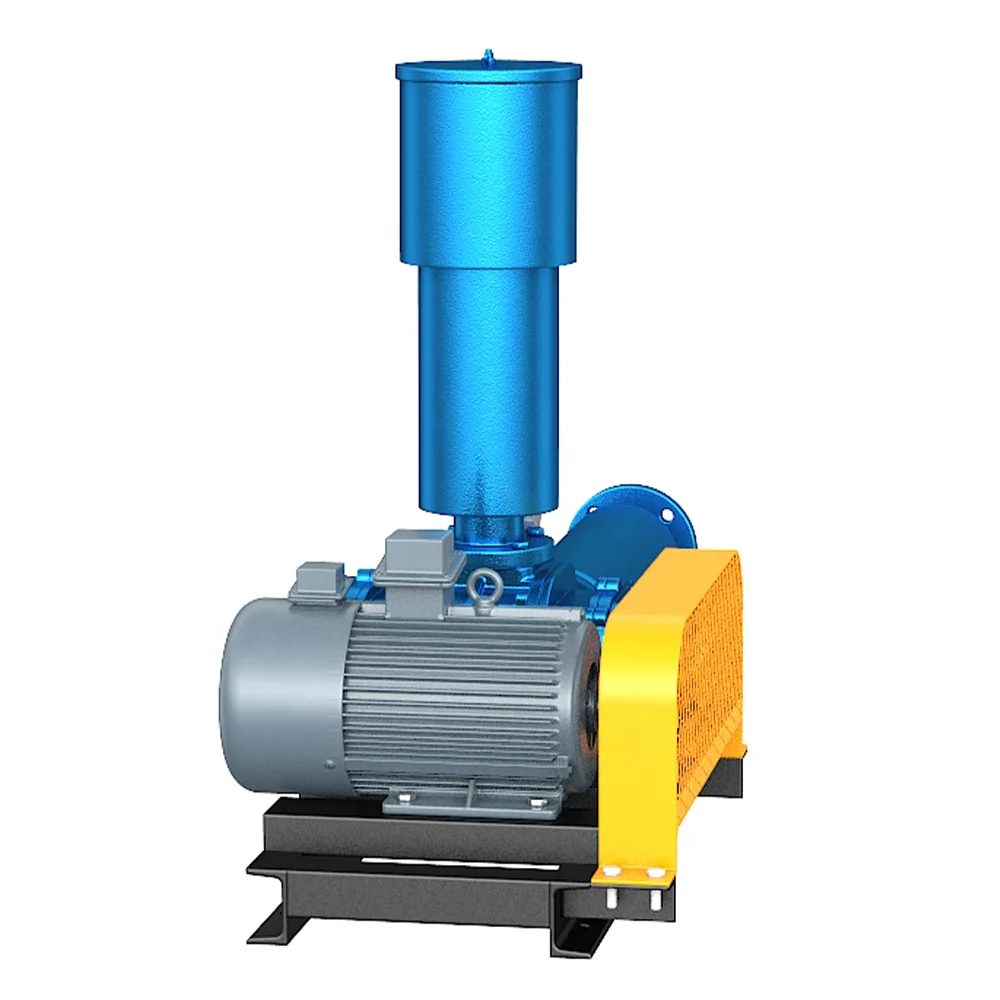
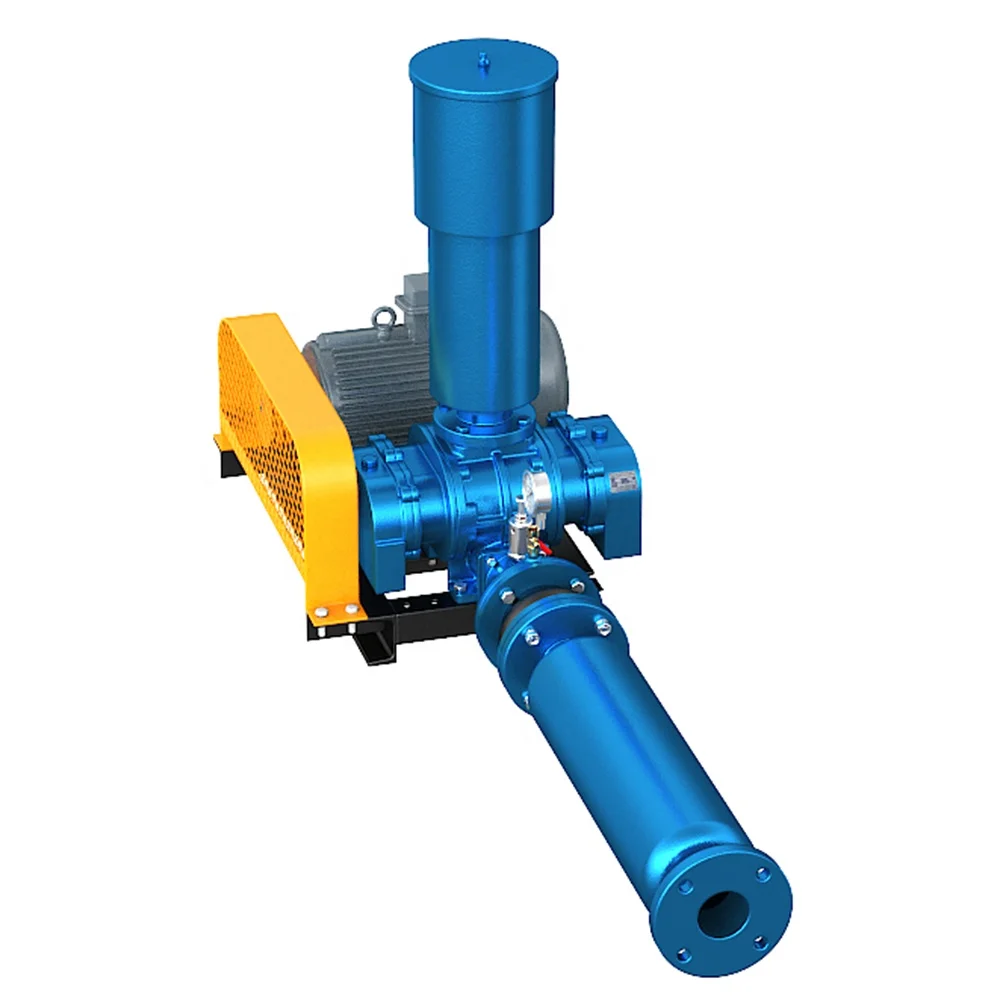
Industrial vacuum systems utilizing roots blower vacuum pump technology require strict adherence to comprehensive safety standards that protect both personnel and equipment. These sophisticated pneumatic devices operate under demanding conditions, making proper safety protocols essential for maintaining operational integrity and preventing workplace accidents. Understanding the regulatory framework governing roots blower vacuum pump installations ensures compliance with industry best practices while optimizing system performance and longevity.
Modern industrial facilities depend on reliable vacuum generation systems that meet stringent safety requirements established by international standards organizations. The implementation of proper safety measures during roots blower vacuum pump operations significantly reduces the risk of equipment failure, personal injury, and environmental contamination. Professional engineers and facility managers must thoroughly understand these safety standards to ensure compliant installation, operation, and maintenance procedures across diverse industrial applications.
Regulatory Framework for Vacuum Pump Safety Standards
International Safety Standards Overview
The International Organization for Standardization establishes comprehensive guidelines for vacuum pump safety through ISO 21360 series standards, which specifically address safety requirements for displacement vacuum pumps including roots blower configurations. These standards encompass mechanical design requirements, electrical safety provisions, and operational safety protocols that manufacturers and operators must implement. Compliance with ISO standards ensures global compatibility and provides a framework for consistent safety practices across different industrial sectors and geographical regions.
European EN standards complement ISO requirements by establishing specific safety criteria for vacuum equipment used within European Union member states. The EN 1012 series covers safety requirements for compressors and vacuum pumps, including detailed specifications for protective devices, emergency shutdown systems, and personnel protection measures. These standards require comprehensive risk assessment procedures and mandate specific safety features that must be integrated into roots blower vacuum pump systems during design and installation phases.
National Regulatory Requirements
The Occupational Safety and Health Administration maintains specific regulations governing vacuum pump operations under 29 CFR standards that address machinery safety, electrical safety, and hazardous energy control procedures. OSHA requirements mandate proper lockout/tagout procedures, personal protective equipment specifications, and worker training programs for personnel operating or maintaining vacuum pump systems. These federal regulations establish minimum safety requirements that all industrial facilities must meet regardless of specific industry sector or application type.
State and local jurisdictions often implement additional safety requirements that exceed federal minimums, particularly in areas with specific environmental or safety concerns. Municipal building codes frequently specify installation requirements for mechanical equipment including vacuum systems, while state environmental agencies may impose additional operational restrictions based on local air quality standards. Facility operators must ensure compliance with all applicable regulatory levels to maintain proper operating permits and avoid potential enforcement actions.

Equipment Design Safety Requirements
Mechanical Safety Features
Proper mechanical design of roots blower vacuum pump systems incorporates multiple safety features that prevent equipment failure and protect personnel from rotating machinery hazards. Safety guards must completely enclose all rotating components including impellers, drive shafts, and coupling assemblies to prevent accidental contact during operation or maintenance activities. These guards must be designed to withstand anticipated mechanical loads while providing adequate ventilation for heat dissipation and allowing for necessary maintenance access through removable panels.
Pressure relief systems represent critical safety components that prevent catastrophic failure due to overpressure conditions within vacuum pump chambers or connected piping systems. Relief valves must be properly sized to handle maximum anticipated pressure levels while maintaining system integrity during normal operation. Emergency shutdown capabilities should include both manual and automatic activation methods that immediately stop pump operation when predetermined safety thresholds are exceeded or when personnel safety is compromised.
Electrical Safety Compliance
Electrical installations for roots blower vacuum pump systems must comply with National Electrical Code requirements that address motor controls, wiring methods, and grounding systems appropriate for industrial environments. Proper motor protection includes overload relays, short circuit protection, and ground fault protection that automatically disconnects power when electrical faults occur. Control panels must be properly rated for the operating environment and include appropriate enclosure types that protect electrical components from moisture, dust, and corrosive atmospheres.
Emergency electrical disconnect switches must be readily accessible to operating personnel and clearly marked with appropriate warning labels and operating instructions. These disconnects should be located within sight of the equipment being controlled and capable of completely de-energizing all electrical circuits associated with the vacuum pump system. Lockout/tagout compatibility requires disconnect switches that accept multiple padlocks to ensure proper energy isolation during maintenance activities.
Operational Safety Protocols
Pre-Startup Safety Procedures
Comprehensive pre-startup inspections ensure that roots blower vacuum pump systems operate safely and efficiently while identifying potential safety hazards before they can cause equipment damage or personnel injury. Visual inspections must verify that all safety guards are properly installed and secured, electrical connections are tight and properly insulated, and all control devices are functioning correctly. Lubrication systems require verification of proper oil levels and quality while cooling systems need confirmation of adequate coolant flow and appropriate operating temperatures.
System pressure testing validates the integrity of vacuum chambers, piping connections, and safety relief devices before introducing full operating loads. This testing should include both positive pressure tests to verify structural integrity and vacuum tests to confirm proper sealing and eliminate potential air leakage. All safety devices including pressure switches, temperature monitors, and vibration detectors must be tested to ensure proper calibration and response to simulated fault conditions.
Operating Safety Guidelines
Continuous monitoring of critical operating parameters helps maintain safe operation while providing early warning of developing problems that could compromise system safety. Operating personnel must regularly monitor system pressures, temperatures, vibration levels, and electrical parameters to ensure operation within established safety limits. Documented operating procedures should specify normal operating ranges, required response actions for alarm conditions, and emergency shutdown procedures that protect both equipment and personnel.
Personal protective equipment requirements vary based on specific operating conditions but typically include safety glasses, hearing protection, and appropriate work clothing that minimizes entanglement hazards near rotating machinery. Confined space entry procedures may apply when maintenance activities require personnel to enter vacuum chambers or connected process equipment. Proper communication protocols ensure that multiple personnel working on interconnected systems maintain awareness of ongoing activities that could affect safety.
Maintenance Safety Standards
Preventive Maintenance Safety
Scheduled maintenance activities for roots blower vacuum pump systems require comprehensive safety planning that addresses energy isolation, atmospheric hazards, and mechanical risks associated with disassembly and reassembly procedures. Lockout/tagout procedures must isolate all energy sources including electrical, pneumatic, and stored mechanical energy before beginning maintenance work. Verification of energy isolation through proper testing procedures ensures that accidental equipment startup cannot occur during maintenance activities.
Proper lifting and handling procedures prevent injury during component removal and installation while specialized tools may be required for safe disassembly of high-pressure components or heavy assemblies. Confined space protocols apply when maintenance requires entry into vacuum chambers or connected vessels where atmospheric hazards may exist. Emergency communication systems ensure that maintenance personnel can quickly summon assistance if safety problems develop during maintenance activities.
Emergency Response Procedures
Comprehensive emergency response plans address potential incidents including equipment failures, personnel injuries, and environmental releases that may occur during roots blower vacuum pump operations. Emergency shutdown procedures must be clearly documented and regularly practiced to ensure rapid response when safety systems activate or when personnel identify developing hazards. Coordination with local emergency responders ensures appropriate response capabilities for serious incidents that exceed facility response resources.
Incident investigation procedures help identify root causes of safety-related events while developing corrective actions that prevent recurrence. Documentation requirements ensure that safety incidents are properly reported to appropriate regulatory agencies while maintaining records that demonstrate ongoing safety management effectiveness. Regular review and updating of emergency procedures incorporates lessons learned from actual incidents and changes in facility operations or regulatory requirements.
Environmental and Health Safety Considerations
Air Quality Management
Vacuum pump operations can potentially impact indoor and outdoor air quality through emissions, noise generation, and vibration transmission that must be controlled to protect worker health and comply with environmental regulations. Proper exhaust treatment systems may be required to control particulate emissions or chemical vapors that could be drawn through vacuum systems from connected processes. Noise control measures including acoustic enclosures, vibration isolation, and administrative controls help protect worker hearing while meeting community noise ordinances.
Indoor air quality considerations include proper ventilation to prevent accumulation of oil mists or chemical vapors that may be generated during normal operations or released during maintenance activities. Air monitoring programs verify that exposure levels remain below established occupational exposure limits while emergency response procedures address potential atmospheric releases. Proper housekeeping practices minimize accumulation of materials that could create secondary safety hazards.
Waste Management Requirements
Waste materials generated during roots blower vacuum pump operations and maintenance must be properly characterized and managed according to applicable environmental regulations. Used lubricating oils typically require management as hazardous waste due to contamination from normal use while spent filters and absorbent materials may require special handling based on materials they have contacted. Proper waste segregation, storage, and disposal procedures prevent environmental contamination while ensuring compliance with waste management regulations.
Documentation requirements for waste management include manifests for hazardous waste shipments, waste characterization data, and disposal facility certifications that demonstrate proper waste handling throughout the disposal process. Regular training ensures that personnel understand proper waste handling procedures while periodic audits verify ongoing compliance with waste management requirements. Emergency response procedures address potential waste releases that could impact environmental or worker safety.
Training and Certification Requirements
Operator Training Programs
Comprehensive training programs ensure that personnel operating roots blower vacuum pump systems understand safety requirements, operating procedures, and emergency response protocols necessary for safe and efficient operations. Initial training must cover equipment design principles, safety system functions, normal operating procedures, and abnormal condition recognition and response. Ongoing training addresses procedural updates, lessons learned from incidents, and regulatory changes that affect operations.
Competency assessment programs verify that operators possess necessary knowledge and skills before assuming independent operating responsibilities while periodic refresher training maintains proficiency levels. Training documentation demonstrates compliance with regulatory requirements while supporting accident investigation and insurance requirements. Specialized training may be required for personnel working with specific process materials or operating in unique environmental conditions.
Maintenance Personnel Qualifications
Maintenance personnel working on vacuum pump systems require specialized training that addresses mechanical, electrical, and safety aspects of equipment maintenance and repair. Certification requirements may include electrical training for personnel working on motor controls and power distribution systems while mechanical training covers proper disassembly, inspection, and reassembly procedures. Safety training emphasizes hazard recognition, energy isolation, and emergency response procedures specific to maintenance activities.
Continuing education programs ensure that maintenance personnel stay current with evolving technology, safety practices, and regulatory requirements while vendor-specific training addresses unique features of particular equipment models. Documentation of training and certification helps demonstrate compliance with insurance requirements and regulatory standards while supporting quality assurance programs. Regular skills assessment identifies training needs and ensures consistent maintenance quality across different personnel.
FAQ
What are the primary safety standards that govern roots blower vacuum pump operations?
The primary safety standards include ISO 21360 series for displacement vacuum pumps, EN 1012 series for European operations, and OSHA 29 CFR regulations for workplace safety. These standards cover mechanical design requirements, electrical safety provisions, operational protocols, and maintenance procedures. Additional standards may apply based on specific applications, geographic locations, and industry sectors where the equipment is installed.
How often should safety systems be tested on vacuum pump installations?
Safety systems should be tested according to manufacturer recommendations and regulatory requirements, typically ranging from monthly to annually depending on the specific device and application criticality. Pressure relief valves generally require annual testing, emergency shutdown systems need quarterly verification, and critical safety interlocks should be tested monthly. Documentation of all testing activities is essential for demonstrating ongoing compliance and identifying trending issues.
What personal protective equipment is required for vacuum pump maintenance?
Required personal protective equipment typically includes safety glasses, hearing protection, work gloves suitable for the specific tasks, and appropriate work clothing that minimizes entanglement hazards. Additional PPE may be required based on process materials, confined space entry requirements, or specific maintenance activities. Respiratory protection might be necessary when working with certain lubricants or in areas where atmospheric contamination is possible.
Are there specific training requirements for personnel operating vacuum pump systems?
Training requirements vary by jurisdiction and application but generally include equipment-specific operating procedures, safety system functions, emergency response protocols, and hazard recognition. Many facilities require documented competency assessment before personnel assume independent operating responsibilities. Ongoing training addresses procedural updates, regulatory changes, and lessons learned from operational experience or incident investigations.
Table of Contents
- Regulatory Framework for Vacuum Pump Safety Standards
- Equipment Design Safety Requirements
- Operational Safety Protocols
- Maintenance Safety Standards
- Environmental and Health Safety Considerations
- Training and Certification Requirements
-
FAQ
- What are the primary safety standards that govern roots blower vacuum pump operations?
- How often should safety systems be tested on vacuum pump installations?
- What personal protective equipment is required for vacuum pump maintenance?
- Are there specific training requirements for personnel operating vacuum pump systems?