
 EN
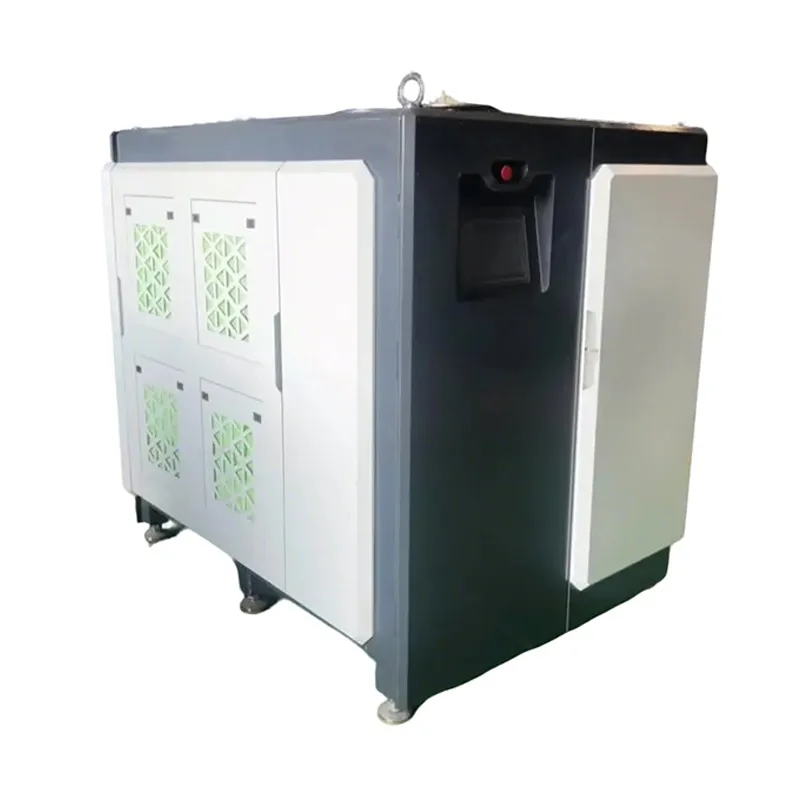
Selecting the right centrifugal air blower is a critical decision that impacts your industrial operations, energy consumption, and maintenance costs. Many buyers make preventable mistakes during the selection process that lead to undersized equipment, operational inefficiency, or premature equipment failure. Understanding these common pitfalls ensures your facility receives a blower system that meets performance demands while optimizing total cost of ownership.
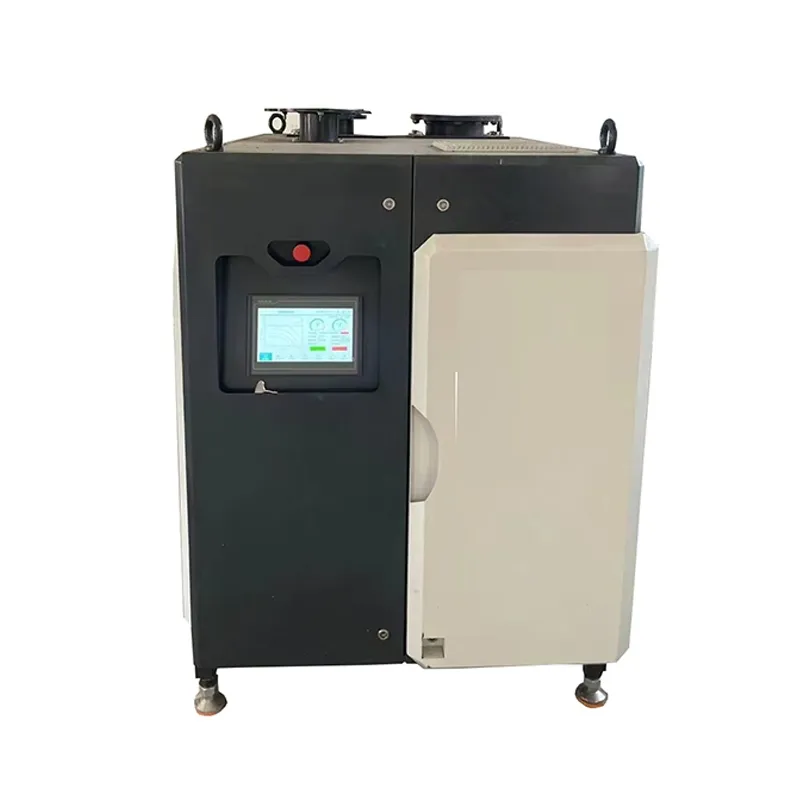
The decision to purchase industrial air circulation systems requires careful evaluation of multiple factors beyond basic airflow requirements. Many facility managers overlook essential specifications, ignore noise considerations, or fail to account for future operational changes. This guide identifies the most significant selection mistakes and provides practical guidance to help you make an informed purchasing decision that aligns with your facility's real-world needs.
Overlooking High Pressure Air Blower Specifications
Ignoring System Resistance and Pressure Requirements
One of the most frequent errors in selecting a centrifugal air blower involves underestimating the system's actual resistance. Many buyers focus solely on volumetric flow rate, measured in cubic feet per minute or cubic meters per hour, while neglecting the static pressure requirements. High pressure air blower specifications demand thorough analysis of ductwork, filters, dampers, and connected equipment. When system resistance exceeds the blower's rated pressure capacity, airflow drops significantly below expectations, creating operational bottlenecks.
Calculating total system resistance requires mapping every component in your air circulation pathway. Friction losses in ductwork, pressure drops across filters, and resistance from equipment connections all contribute to overall system demand. A centrifugal air blower rated at 1000 CFM and 4 inches of static pressure may only deliver 600 CFM when actual system resistance reaches 6 inches. This underperformance forces costly retrofits, equipment upgrades, or supplementary blower purchases that strain budgets.
Mismatching Motor Power and Efficiency Considerations
Motor selection directly impacts both capital costs and operational expenses. Undersized motors cannot sustain high pressure air blower specifications at rated capacity, leading to thermal overload and premature failure. Conversely, oversized motors waste energy during partial-load operation, inflating electricity bills unnecessarily. Most industrial air circulation systems operate at variable loads throughout the day, making efficiency curve analysis essential. A properly sized motor should operate near its maximum efficiency point during typical operating conditions rather than consistently running at partial capacity.
Energy consumption represents a significant long-term cost factor. A centrifugal air blower consuming 5 kilowatts running 24 hours daily incurs substantial annual electricity expenses. Investing in variable frequency drives or properly matched fixed-speed motors based on accurate demand profiles reduces operational waste. Many facilities discover after installation that their blower system consumes far more energy than necessary simply because motor sizing was not aligned with realistic load profiles.
Neglecting Centrifugal Fan Noise Reduction Strategies
Underestimating Acoustic Impact on Work Environment
Centrifugal fan noise reduction represents a critical but often overlooked selection criterion. High-speed blower operation generates noise that affects worker comfort, facility compliance with occupational safety standards, and neighboring properties. Many buyers fail to request sound level specifications in decibels, leading to installations that exceed acceptable noise thresholds. When facility managers eventually discover excessive noise, retrofitting sound dampening solutions becomes expensive and disruptive.
Noise frequencies vary depending on operating speed and blade design. A centrifugal air blower operating at 3600 RPM produces different acoustic signatures than one running at 1800 RPM. Low-frequency rumble from high-speed operation can vibrate building structures and propagate far beyond the immediate installation area. Request detailed sound specification data from suppliers, verify measurements taken at actual operating conditions, and factor acoustic requirements into your selection criteria from the beginning rather than addressing them as an afterthought.
Ignoring Vibration Isolation and Installation Complexity
Proper vibration isolation protects both the blower equipment and surrounding facilities from mechanical stress. Many selection processes overlook installation requirements that directly influence centrifugal fan noise reduction effectiveness. Mounting surface preparation, isolation pad selection, and structural reinforcement all affect how efficiently your industrial air circulation systems operate. A well-designed centrifugal air blower installed on inadequate foundations transmits vibration throughout facility structures, creating operational noise well beyond the blower itself.
Installation quality determines whether noise reduction strategies actually achieve specified performance levels. Some buyers purchase low-noise blower models but then install them on rigid concrete floors without isolation measures, negating the acoustic benefits. Consult with suppliers about recommended installation practices, account for vibration isolation costs in your purchasing decision, and verify that site conditions support proper equipment mounting before placing orders.
Failing to Account for Industrial Air Circulation System Evolution
Selecting Rigid Equipment Without Scalability
Industrial facilities rarely remain static. Production volumes increase, new processes integrate into existing systems, and operational requirements change over time. Many buyers select a centrifugal air blower sized for current needs without considering future expansion. When production demands increase within 3-5 years, undersized equipment creates bottlenecks requiring emergency replacements. Conversely, oversizing your initial purchase to accommodate future growth wastes capital and energy during early operational phases.
Strategic planning requires understanding your realistic growth trajectory. Will your operation expand by 20 percent within three years? Do architectural constraints limit adding supplementary blower capacity later? Can your power distribution handle larger motors? A centrifugal air blower selection should balance current performance needs with reasonable scalability options. Modular system designs or equipment that permits controlled speed adjustment through variable frequency drives offer valuable flexibility for evolving industrial air circulation requirements without complete replacement.
Overlooking Maintenance Accessibility and Spare Parts Availability
Long-term total cost of ownership depends heavily on maintenance requirements and spare parts availability. Some centrifugal air blower selections prioritize initial purchase price while overlooking downstream maintenance complexity. Impellers that require special tools, bearing designs with extended replacement intervals, and difficult access points all increase operational costs. Additionally, selecting equipment with limited spare parts availability creates supply chain risks during emergency repairs.
Evaluate the full maintenance profile before committing to a specific model. Request information about preventive maintenance schedules, typical component life expectancy, and spare parts availability through standard supply channels. High pressure air blower specifications should include serviceability metrics alongside performance data. Standardized components, widely available replacement parts, and straightforward maintenance procedures reduce your facility's vulnerability to extended downtime and emergency repair costs.
FAQ
What specific high pressure air blower specifications should I request from suppliers?
Request volumetric flow rate in cubic feet per minute (CFM) or cubic meters per hour, static pressure rating in inches of water column, total dynamic head, motor horsepower, electrical requirements, sound levels at rated operation in decibels, vibration specifications, and efficiency curves at various operating points. Additionally, obtain system curves showing performance across your anticipated load range and detailed installation requirements for your specific facility conditions.
How does centrifugal fan noise reduction affect purchasing decisions?
Noise specifications should drive equipment selection alongside performance criteria. Compare sound levels between candidate models at your expected operating speed, not maximum speed. Prioritize lower-speed designs when feasible, specify quality isolation components, and budget for any necessary acoustic enclosures. Request third-party noise verification data rather than relying solely on manufacturer specifications, as real-world installation variables significantly influence actual noise performance.
Can industrial air circulation systems be modified after installation if requirements change?
Many industrial air circulation systems can be upgraded through variable frequency drive installation, impeller trimming, or bearing replacement to increase capacity modestly. However, these modifications have limits and prove expensive compared to selecting appropriately sized equipment initially. Ductwork modifications, motor upgrades, and pressure relief adjustments require significant investment and facility downtime. Planning for realistic expansion capacity during initial selection proves far more cost-effective than discovering inadequate performance after installation.