
 EN
EN
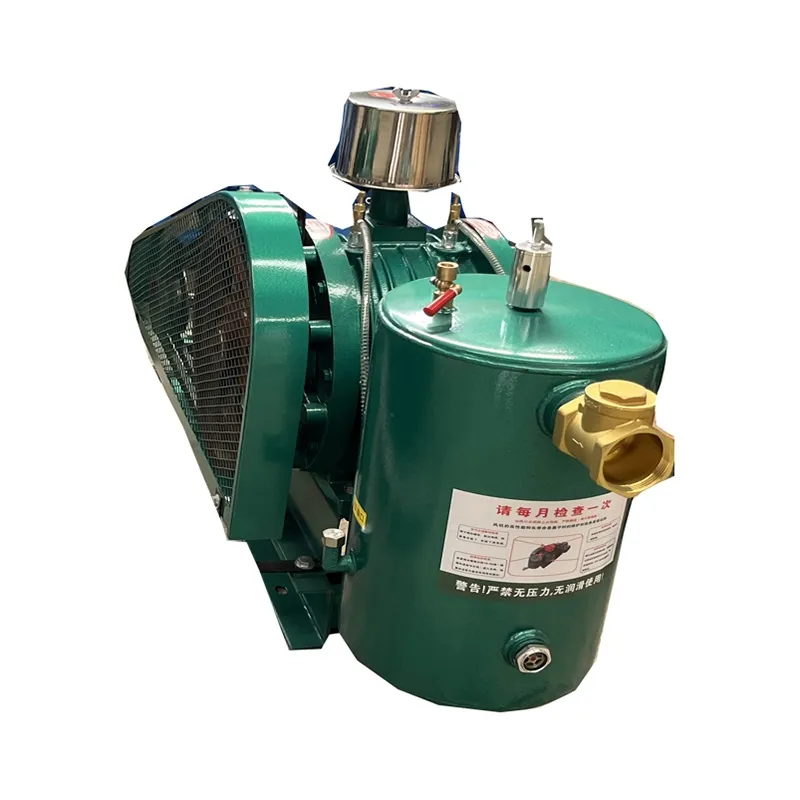
Plant managers considering an upgrade to positive displacement blowers should understand the fundamental differences this technology brings to facility operations. Unlike centrifugal fans that rely on impeller speed to generate airflow, positive displacement blowers move fixed volumes of air with each shaft rotation, delivering consistent performance regardless of system resistance. This core principle makes them ideal for applications requiring stable pressure delivery and predictable output under varying load conditions.
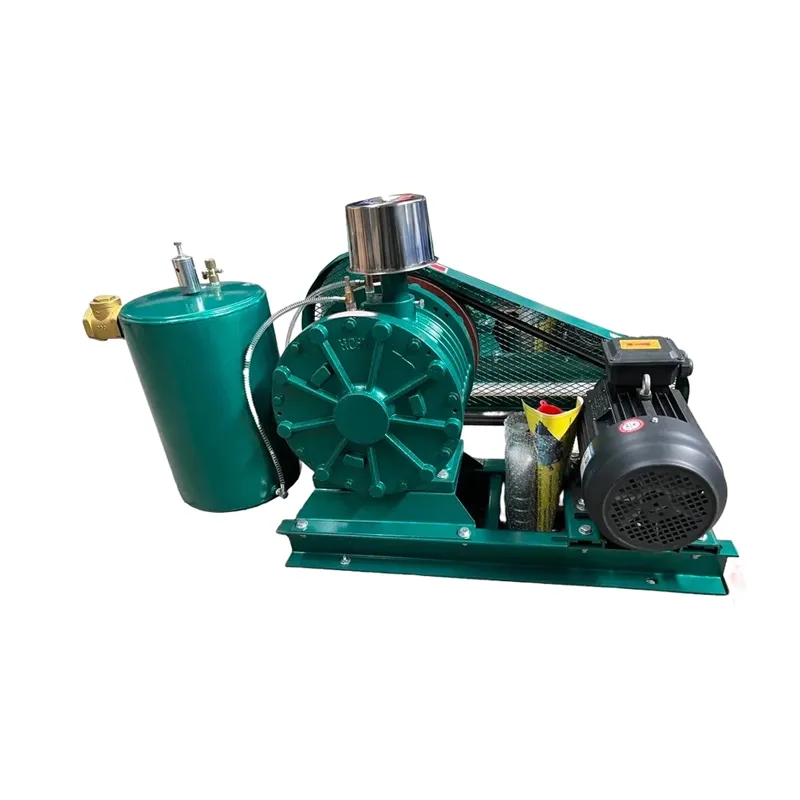
Before committing capital to an upgrade, plant managers must evaluate how positive displacement technology aligns with their facility's current and future operational demands. The decision involves more than equipment cost; it requires understanding maintenance implications, energy consumption profiles, noise levels, and compatibility with existing industrial air handling systems. This guide addresses the essential knowledge areas that help plant leaders make informed purchasing and implementation decisions.
Understanding Positive Displacement Blower Technology
How Positive Displacement Blowers Operate
Positive displacement blowers, commonly designed as rotary lobe configurations, trap air between two interlocking rotors and the casing wall, forcing it toward the discharge port. Each complete rotation delivers the same volume of air, making output independent of downstream pressure changes. This mechanical certainty differs significantly from centrifugal units, where performance varies with system impedance. The rotary lobe blower applications span wastewater treatment, pneumatic conveying, and pressure-sensitive processes where flow consistency matters more than maximum speed capability.
Core Advantages for Industrial Air Handling Systems
The primary advantage of positive displacement blowers in industrial air handling systems is their ability to deliver full rated capacity even when system resistance increases. This reliability reduces performance variability and prevents the performance drop that centrifugal fans experience as filters clog or discharge lines accumulate resistance. Plant managers benefit from predictable energy costs, since the motor load remains relatively stable across operating conditions. Additionally, rotary lobe blower applications often achieve higher efficiency in low-speed, high-pressure scenarios where centrifugal equipment becomes inefficient.
Comparing Positive Displacement Technology Across Applications
Positive Displacement Pump vs Blower Distinctions
The relationship between positive displacement pump vs blower classification helps clarify equipment selection. Positive displacement pumps handle liquids and require sophisticated sealing to prevent leakage, while positive displacement blowers handle gases and use simpler bearing arrangements. This distinction matters because blower maintenance timelines and failure modes differ from pump systems. Plant managers upgrading from traditional fans should recognize that positive displacement blowers occupy a different operational space than liquid pumps, yet share the same fixed-volume displacement principle. Understanding this classification prevents specification errors when coordinating with equipment vendors.
Application Fit for Your Facility Type
Positive displacement blowers excel in applications where pressure consistency outweighs maximum airflow requirements. Wastewater aeration systems depend on stable oxygen delivery; pneumatic conveying systems require predictable air volume for material transport; and biogas handling requires pressure-rated equipment that won't fluctuate with varying gas density. Before upgrading industrial air handling systems, plant managers should audit their specific process requirements to confirm positive displacement technology matches facility needs. If operations prioritize maximum volume at variable pressures, alternative technologies might remain more cost-effective.
Critical Considerations Before Upgrading
Capital Investment and Operating Cost Implications
Positive displacement blowers typically command higher equipment costs than centrifugal alternatives, reflecting their precision manufacturing and durable construction. However, plant managers must factor operational longevity into total cost analysis. Positive displacement pump vs blower comparisons reveal that blower systems often maintain efficiency throughout their service life, whereas centrifugal equipment degrades gradually as internal clearances change. Energy consumption depends heavily on application; in high-pressure, moderate-flow scenarios, positive displacement blowers consume less energy than oversized centrifugal units operating at throttled capacity. Detailed energy audits comparing your current system against proposed positive displacement blower options will clarify the financial case for upgrade.
Maintenance Requirements and Lifecycle Planning
Positive displacement blower maintenance focuses on bearing lubrication, seal integrity, and rotor clearance monitoring. Unlike centrifugal fans with simpler bearing arrangements, rotary lobe blower applications require scheduled maintenance to prevent performance degradation. Plant managers should budget for periodic inspections, bearing replacements at regular intervals, and seal service. The positive displacement pump vs blower distinction matters here too; blower bearing failure differs in consequence from pump seal failure, often allowing continued low-efficiency operation rather than catastrophic shutdown. Establishing preventive maintenance protocols before upgrading ensures reliable operation and prevents unexpected downtime during critical processes.
Noise and Vibration Characteristics
Positive displacement blowers typically generate higher noise levels than centrifugal equipment due to discrete volume displacement events. Rotary lobe blower applications in industrial air handling systems often require sound enclosures or discharge silencers to meet occupational noise standards. Plant managers in facilities with strict noise regulations should verify that noise attenuation costs are included in upgrade budgets. Vibration characteristics differ from centrifugal systems; discrete rotor displacement creates periodic impulses rather than continuous aerodynamic forces. This distinction requires different vibration isolation approaches, and some facility structures may require reinforcement to support positive displacement equipment operation.
FAQ
Should we upgrade immediately if our current fan system is aging?
Equipment age alone does not justify upgrading to positive displacement blowers. Instead, evaluate whether your process requirements have shifted toward applications where positive displacement pump vs blower technology delivers measurable operational benefits. If your facility faces pressure consistency challenges, energy waste at partial loads, or specific industry requirements, upgrading makes strategic sense. If your current centrifugal system meets performance needs cost-effectively, extending its service life through maintenance may be more prudent than capital replacement.
How do positive displacement blowers fit into our existing industrial air handling systems?
Integration depends on your system architecture and process requirements. Positive displacement blowers work well alongside existing air treatment components like filters and coolers, but discharge piping and pressure ratings must be compatible. Some industrial air handling systems designed for variable-flow centrifugal equipment may require modifications, such as pressure relief valves, to accommodate the fixed-volume output of positive displacement blowers. Consult with equipment vendors during the planning phase to identify necessary system modifications.
What industries benefit most from rotary lobe blower applications?
Wastewater treatment facilities, pneumatic material conveying operations, biogas handling systems, and pressure-sensitive manufacturing processes see the greatest operational gains from rotary lobe blower applications. These industries prioritize pressure stability, energy efficiency under high-resistance conditions, and reliable performance regardless of load variations. Other sectors with less stringent pressure or consistency requirements often find conventional fan technology more cost-effective. Evaluate your facility's specific air handling demands against the strengths of positive displacement technology to determine fit.