
 EN
EN
Modern fish farms depend on specialized aquaculture equipment to maintain productivity, health, and sustainability across operations. The evolution of fish farming technology has transformed how farms manage water conditions, deliver nutrition, and monitor environmental parameters. Understanding the core types of aquaculture equipment available helps farm operators make informed decisions about infrastructure investment and operational efficiency.
Fish farming technology has advanced significantly over the past two decades, driven by increasing demand for sustainable seafood production and regulatory compliance. Modern aquaculture operations utilize integrated systems that work together to create optimal growing conditions for farmed fish. Each category of equipment serves a distinct function, from oxygen delivery to feed automation to environmental monitoring, creating a comprehensive ecosystem for successful farm management.
Aeration and Oxygen Delivery Systems
Importance of Oxygen Management
Dissolved oxygen is critical for fish survival and growth, making oxygen delivery systems fundamental aquaculture equipment in any modern operation. Inadequate oxygen levels stress fish, reduce feeding efficiency, and increase disease susceptibility. Most commercial fish farms employ mechanical aeration or pure oxygen injection systems to maintain dissolved oxygen concentrations between 6 and 8 milligrams per liter, depending on species and system type.
Equipment Types for Oxygen Supply
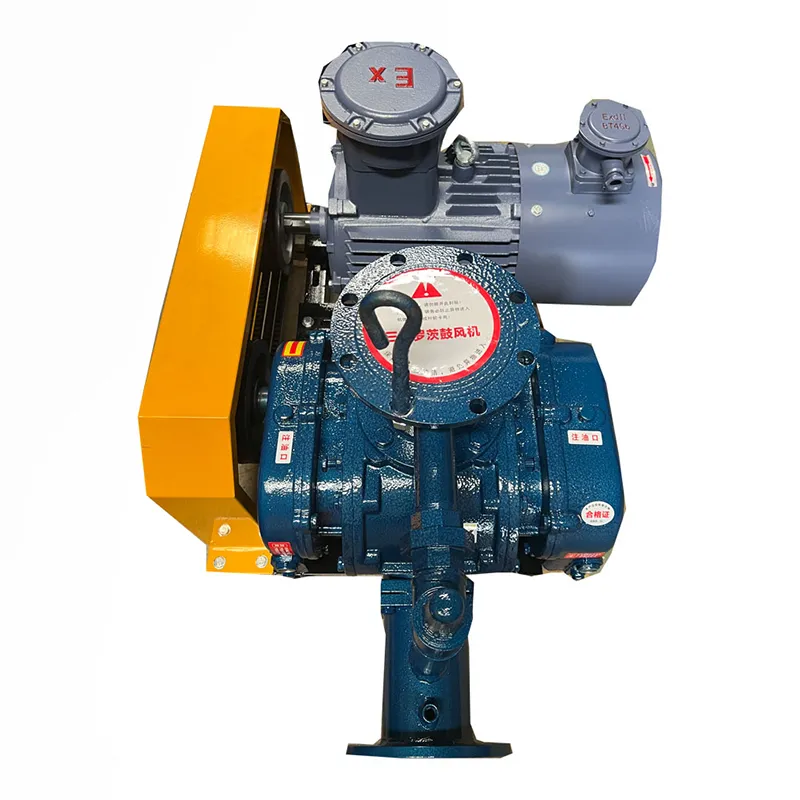
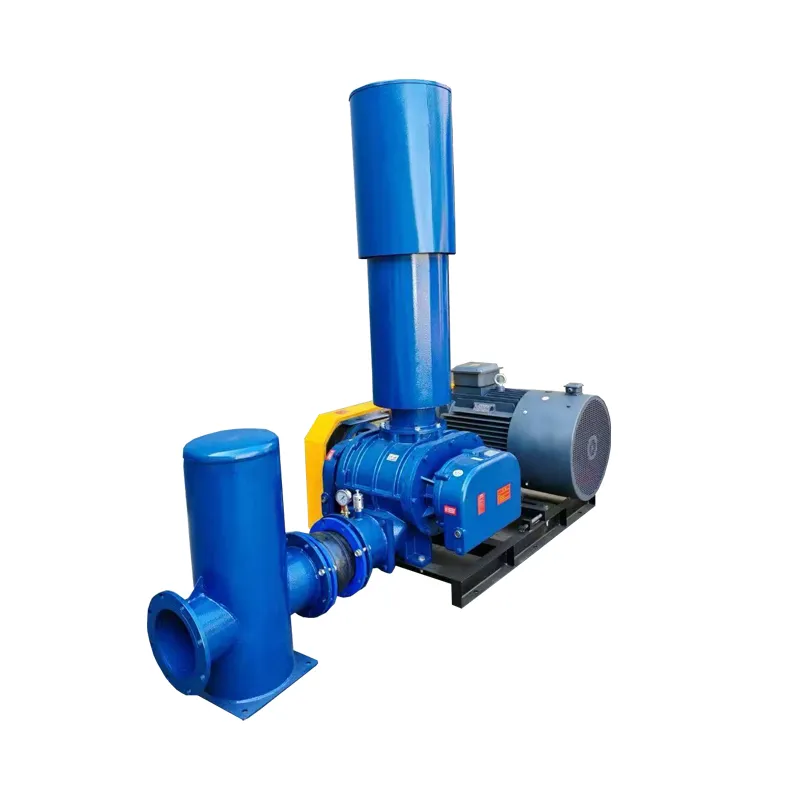
Fish farming technology includes paddle wheels, diffusers, aspirators, and rotary aerators designed for different pond or tank configurations. Air-driven systems use blowers and compressors to force air into water through diffusers, creating fine bubbles that maximize oxygen transfer efficiency. Pure oxygen systems provide direct oxygen injection for intensive production environments where space is limited and oxygen demand is extremely high. These aquaculture equipment options vary in energy consumption, maintenance requirements, and operational complexity, influencing selection based on farm size and production intensity.
Water Quality Monitoring Systems
Real-Time Environmental Monitoring
Water quality monitoring systems represent essential fish farming technology for detecting environmental changes before they harm fish populations. Automated sensors continuously measure parameters including dissolved oxygen, pH, temperature, ammonia, nitrite, and nitrate levels. Modern aquaculture equipment in this category often integrates digital data collection and alert systems, enabling farm managers to respond quickly to deteriorating conditions and prevent mass mortality events.
Sensor Technology and Data Integration
Contemporary water quality monitoring systems connect to cloud-based platforms and mobile applications, providing real-time dashboards and historical trend analysis. Multi-parameter probes reduce equipment costs while maintaining accuracy across crucial water chemistry metrics. Integration with fish farming technology platforms allows automated responses, such as triggering increased aeration when dissolved oxygen drops below threshold levels. These aquaculture equipment systems improve decision-making speed and reduce manual monitoring labor, creating operational efficiency gains that justify equipment investment.
Aquaculture Feed Systems
Automated and Manual Feeding Solutions
Aquaculture feed systems deliver nutrition efficiently while minimizing waste and environmental impact, representing a significant portion of farm operating costs. Modern fish farming technology includes automatic pellet feeders, demand feeders triggered by fish behavior, and timed distribution systems that align with natural feeding patterns. Equipment design varies between pond systems, tank systems, and cage operations, each requiring specific delivery mechanisms to ensure feed reaches target fish populations effectively.
Feed Quality and Storage Management
Proper aquaculture equipment for feed storage maintains nutritional quality and prevents spoilage or contamination. Climate-controlled storage silos with moisture monitoring preserve pellet integrity and prevent feed degradation. Feed conversion efficiency directly impacts profitability, making aquaculture feed systems critical for financial performance. Advanced fish farming technology now includes feed cameras that monitor consumption rates, enabling operators to optimize feeding schedules and reduce uneaten feed that degrades water quality through excess organic loading.
Water Treatment and Circulation Equipment
Mechanical and Biological Filtration
Water treatment systems maintain environmental stability by removing suspended solids and managing biological waste accumulation. Mechanical filtration equipment includes drums, screens, and settling basins that capture particles before water reaches biofilter zones. Biofilter aquaculture equipment provides surface area for beneficial bacteria colonies that convert toxic ammonia into less harmful nitrate compounds. This fish farming technology combination creates a stable environment supporting continuous fish production without excessive water exchange.
Recirculation System Components
Recirculating aquaculture systems employ multiple aquaculture equipment categories working synergistically to minimize freshwater consumption and environmental discharge. Pumps circulate water through mechanical and biological filters, while degassing equipment removes excess carbon dioxide before water returns to fish tanks. UV sterilization or ozone treatment units provide additional pathogen control in systems requiring disease prevention. Modern fish farming technology emphasizes water efficiency and closed-loop operations, with recirculation systems representing the highest-tech aquaculture equipment category available today.
Monitoring and Control Infrastructure
Automated System Management
Modern fish farms integrate multiple aquaculture equipment types through centralized control systems that automate routine operations. Water quality monitoring systems communicate with aeration equipment, trigger feed adjustments based on observed consumption, and alert operators to anomalies. This fish farming technology integration reduces labor requirements while improving consistency and reducing human error in critical operational decisions.
Data Analytics and Performance Optimization
Advanced aquaculture feed systems now include analytics platforms that track feed conversion ratios, growth rates, and survival data across production cycles. Water quality monitoring systems generate historical datasets that support predictive maintenance and operational planning. This fish farming technology foundation enables continuous improvement initiatives, helping farms optimize performance, reduce costs, and enhance sustainability metrics that increasingly influence market positioning and access to premium pricing opportunities.
FAQ
What aquaculture equipment is most critical for intensive fish farms?
Aeration and oxygen delivery systems rank as the most critical aquaculture equipment for intensive operations where fish density is highest. Without reliable oxygen supply, mortality rates escalate rapidly regardless of water quality monitoring systems or aquaculture feed systems efficiency. Backup aeration capacity and redundant oxygen supply systems represent essential insurance in commercial fish farming.
How do water quality monitoring systems improve fish farming technology efficiency?
Water quality monitoring systems detect environmental stress before fish health visibly declines, enabling proactive rather than reactive management. Early detection of ammonia spikes or oxygen depletion triggers corrective action using fish farming technology equipment, preventing catastrophic losses. Data from these systems also guides strategic decisions about system capacity, feeding rates, and stocking density optimization.
What makes aquaculture feed systems a significant investment priority?
Feed typically represents 40 to 60 percent of operating costs, making aquaculture feed systems a prime target for efficiency improvements. Modern fish farming technology that monitors consumption and optimizes feeding schedules directly reduces waste and improves profitability. Systems that prevent overfeeding also protect water quality by reducing organic loading from excess uneaten feed material.