
 EN
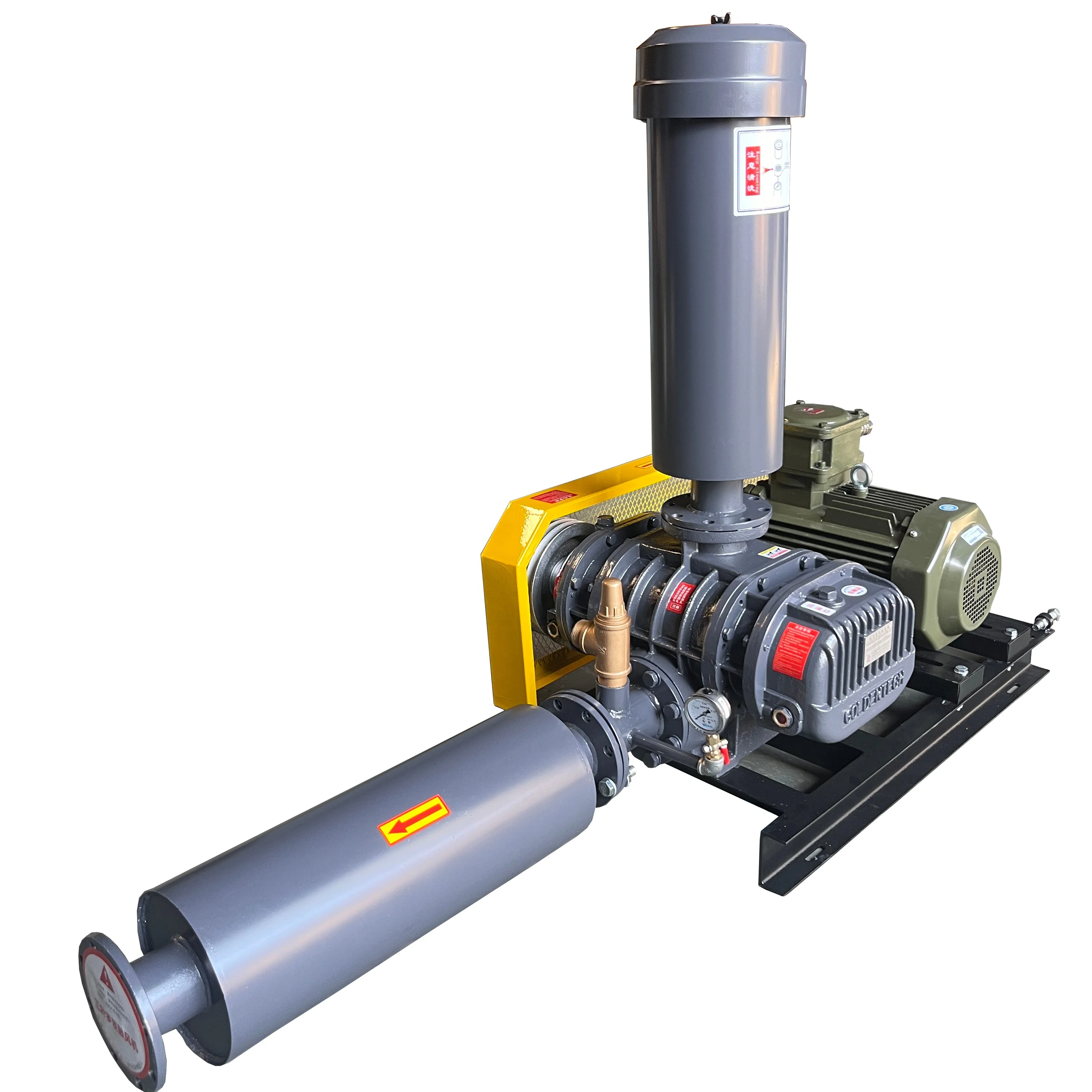
Industrial operations across multiple sectors rely on specialized air handling equipment to maintain efficiency, safety, and production continuity. The three lobe roots blower has emerged as a critical technology for systems requiring consistent, high-volume air delivery with minimal pulsation. Understanding which applications benefit from this equipment enables facility managers and engineers to make informed decisions about their pneumatic infrastructure investments.
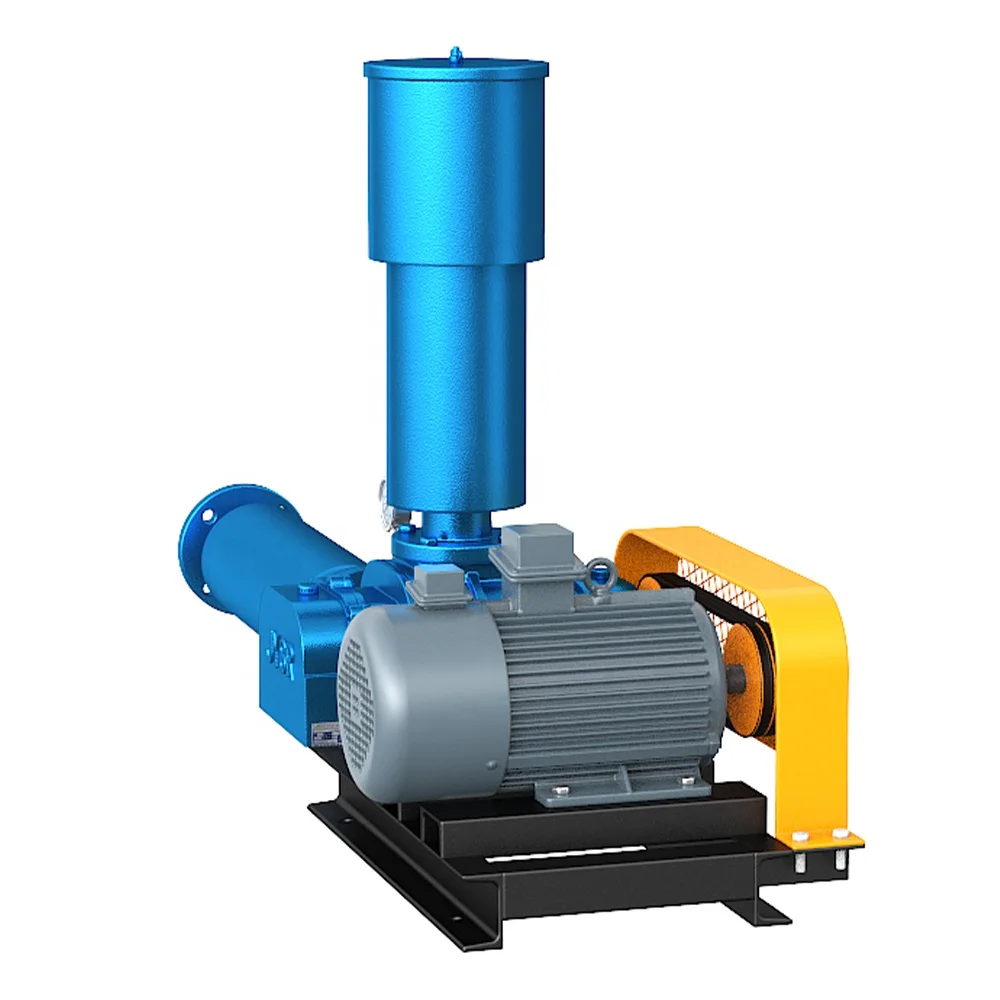
A three lobe roots blower operates as a positive displacement blower that moves air through rotating lobes, delivering steady airflow without compression within the unit itself. This design makes it fundamentally different from centrifugal blowers, which rely on impeller speed to generate pressure. The positive displacement blower applications span wastewater treatment, pneumatic conveying, aquaculture aeration, food processing, and industrial vacuum systems. Each application demands reliable rotary lobe compressor maintenance and predictable performance under demanding operating conditions.
Understanding Positive Displacement Blower Applications
Core Operating Principles and System Fit
Positive displacement blower applications function by trapping air between the blower's rotating lobes and the housing, then pushing that air toward the discharge port. This mechanism generates consistent flow rates regardless of downstream pressure fluctuations, making it ideal for systems requiring stable air delivery. Industrial air handling equipment using this approach maintains performance even as system resistance changes. The predictable output makes a three lobe roots blower suitable for processes where flow rate stability directly impacts product quality or environmental compliance.
The advantage over centrifugal alternatives lies in low-speed efficiency and ability to handle moisture-laden air without degradation. Wastewater treatment facilities rely on rotary lobe compressor maintenance schedules precisely because these units tolerate challenging air conditions. Unlike high-speed centrifugal equipment, a three lobe roots blower performs reliably even when handling saturated or slightly contaminated air streams, reducing filter replacement frequency and extending equipment lifespan.
Industry-Specific Applications and Benefits
Aquaculture operations depend on reliable aeration systems to maintain dissolved oxygen levels in fish farming tanks and ponds. A three lobe roots blower delivers consistent airflow to diffusers, ensuring fish health and survival rates remain optimal. Positive displacement blower applications in this sector eliminate the flow surges that would compromise water quality. The low-pulsation design prevents air pockets and pressure spikes that stress aquatic life.
Pneumatic conveying systems transport materials like flour, cement, and grains through pipelines using compressed air. These operations require steady, high-volume flow delivery without velocity spikes that might damage products or cause pipeline erosion. Industrial air handling equipment for conveying uses rotary lobe compressor maintenance practices to sustain performance over extended production runs. The three lobe roots blower excels in these applications because it maintains constant velocity, protecting material integrity during transport.
Rotary Lobe Compressor Maintenance and System Longevity
Preventive Maintenance Protocols
Rotary lobe compressor maintenance ensures consistent performance and extends equipment service life significantly. The three lobe roots blower design involves fewer high-speed components than centrifugal alternatives, which reduces wear rates and simplifies maintenance routines. Regular oil changes, bearing inspections, and seal replacements form the foundation of effective preventive care. Facilities that implement systematic rotary lobe compressor maintenance schedules report 15 to 20 percent longer equipment life compared to reactive repair approaches.
Monitoring discharge temperature and pressure differentials provides early warning of developing problems. When industrial air handling equipment shows rising temperatures or pressure irregularities, technicians can address seal degradation or bearing wear before failures occur. The positive displacement blower applications benefit from this predictability because most issues develop gradually, allowing planned maintenance windows rather than emergency downtime. A three lobe roots blower typically requires maintenance every 2,000 to 4,000 operating hours, depending on load factor and air quality.
Common Issues and Resolution Strategies
Oil carryover represents a frequent concern in rotary lobe compressor maintenance, particularly in food and pharmaceutical facilities requiring clean air delivery. Installing effective separator systems and maintaining proper oil levels prevents this issue. The positive displacement blower applications serving sensitive industries demand ultra-clean air, making oil management critical. Regular monitoring of oil condition and separator element replacement keeps industrial air handling equipment compliant with facility standards.
Internal leakage occurs when seal wear allows air to bypass the discharge port, reducing effective flow output. Early detection through performance monitoring allows technicians to replace seals before capacity degradation becomes noticeable. Three lobe roots blower units with properly maintained seals maintain rated flow specifications reliably. Facilities implementing condition monitoring programs identify these issues within days rather than weeks, minimizing production impact.
Selecting the Right System for Specific Industrial Needs
Capacity Planning and Performance Requirements
Determining appropriate three lobe roots blower sizing requires understanding both steady-state airflow demand and peak surge requirements. Systems designed for positive displacement blower applications must account for system resistance, altitude, and inlet air temperature. Industrial air handling equipment specifications include flow rate in cubic feet per minute (CFM), pressure rating in pounds per square inch (PSI), and horsepower requirements. Undersizing creates capacity deficits that compromise process performance, while oversizing increases energy consumption and operating costs unnecessarily.
Wastewater treatment facilities typically require 500 to 5,000 CFM depending on basin volume and oxygen demand. Aquaculture operations range from 200 to 2,000 CFM based on tank size and stocking density. Pneumatic conveying systems demand 300 to 10,000 CFM depending on material type, transport distance, and product fragility. Understanding these ranges helps engineers specify a three lobe roots blower that delivers optimal performance without excess capacity. Proper sizing ensures rotary lobe compressor maintenance costs remain reasonable and energy efficiency targets are achieved.
Installation and Integration Considerations
Installing a three lobe roots blower requires attention to foundation stability, inlet and discharge piping routing, and vibration isolation. These units generate minimal noise compared to centrifugal equipment, but proper mounting prevents vibration transmission to facility structures. Positive displacement blower applications benefit from noise levels typically 10 to 15 decibels lower than comparable centrifugal systems. Industrial air handling equipment installations should include isolation pads and flexible piping connections to absorb vibration and protect adjacent systems.
Intake filtration quality directly impacts rotary lobe compressor maintenance frequency and equipment longevity. Installing appropriate pre-filtration removes dust, moisture, and contaminants that would otherwise enter the blower. Discharge piping should include check valves and silencers to protect downstream equipment and reduce noise. A properly installed system with quality filtration and maintenance access points supports decades of reliable operation, making the initial investment in proper installation highly cost-effective for industrial air handling equipment applications.
FAQ
What industries benefit most from three lobe roots blower systems?
Wastewater treatment, aquaculture, pneumatic conveying, food processing, and industrial vacuum systems represent the primary sectors benefiting from three lobe roots blower technology. These industries require consistent airflow delivery, tolerance for challenging air conditions, and reliable performance under steady operating loads. The positive displacement blower applications in these sectors depend on the predictable flow characteristics that three lobe roots blower equipment provides. Industries handling moisture-laden air or requiring clean discharge particularly value this equipment type.
How often does rotary lobe compressor maintenance need to occur?
Rotary lobe compressor maintenance typically occurs every 2,000 to 4,000 operating hours, though this interval varies based on inlet air quality, system load factor, and facility environment. Regular oil analysis, bearing temperature monitoring, and visual inspections help determine optimal maintenance timing. Well-maintained systems operating under standard conditions can extend intervals to 4,000 hours or longer. Facilities in dusty environments or with high system loads may require maintenance every 1,500 to 2,000 hours. Implementing condition monitoring programs allows facilities to optimize rotary lobe compressor maintenance scheduling and prevent unexpected failures.
Can a three lobe roots blower handle contaminated or moisture-laden air?
Yes, three lobe roots blower systems handle moisture and moderate contamination better than centrifugal alternatives because the low-speed design generates lower temperatures and avoids the blade erosion issues that plague high-speed equipment. Proper pre-filtration and inlet design remove excessive moisture and particulates before reaching the blower. For challenging inlet conditions, separator systems and drain traps protect the rotary lobe compressor from internal moisture accumulation. Industrial air handling equipment serving wastewater treatment and outdoor facilities regularly operates with damp inlet air because the three lobe roots blower design tolerates these conditions effectively when paired with appropriate moisture management systems.