
 EN
EN
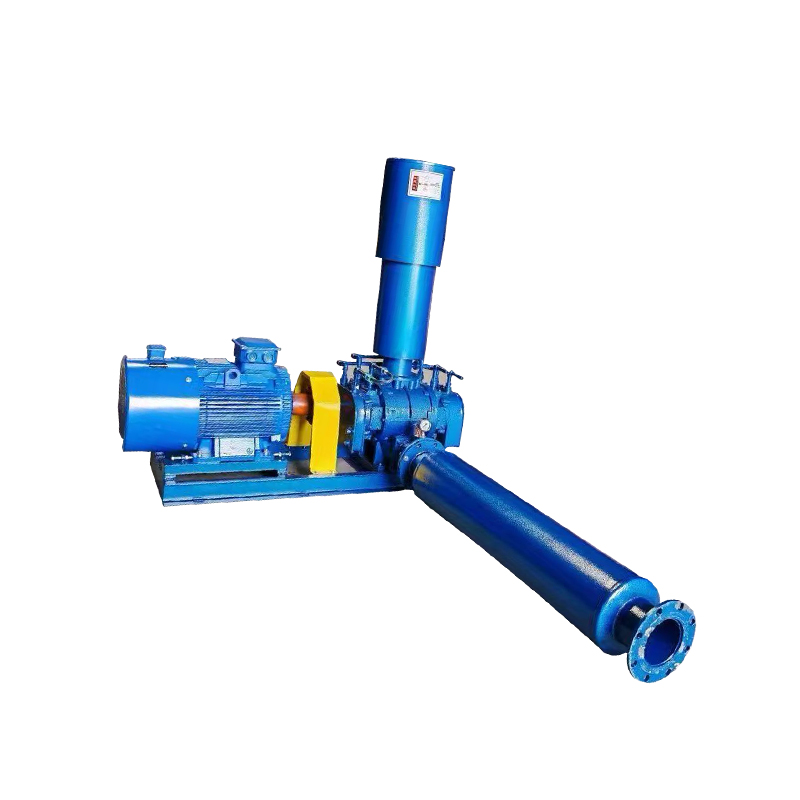
In industrial material handling, dust-free transfer represents one of the most critical operational requirements. A pneumatic vacuum conveyor delivers exceptional performance by combining sealing integrity, energy efficiency, and contamination prevention into a single engineered solution. This technology has become the preferred choice across pharmaceutical, food processing, chemical, and manufacturing sectors where product integrity and workplace safety depend on eliminating airborne particles during material movement.
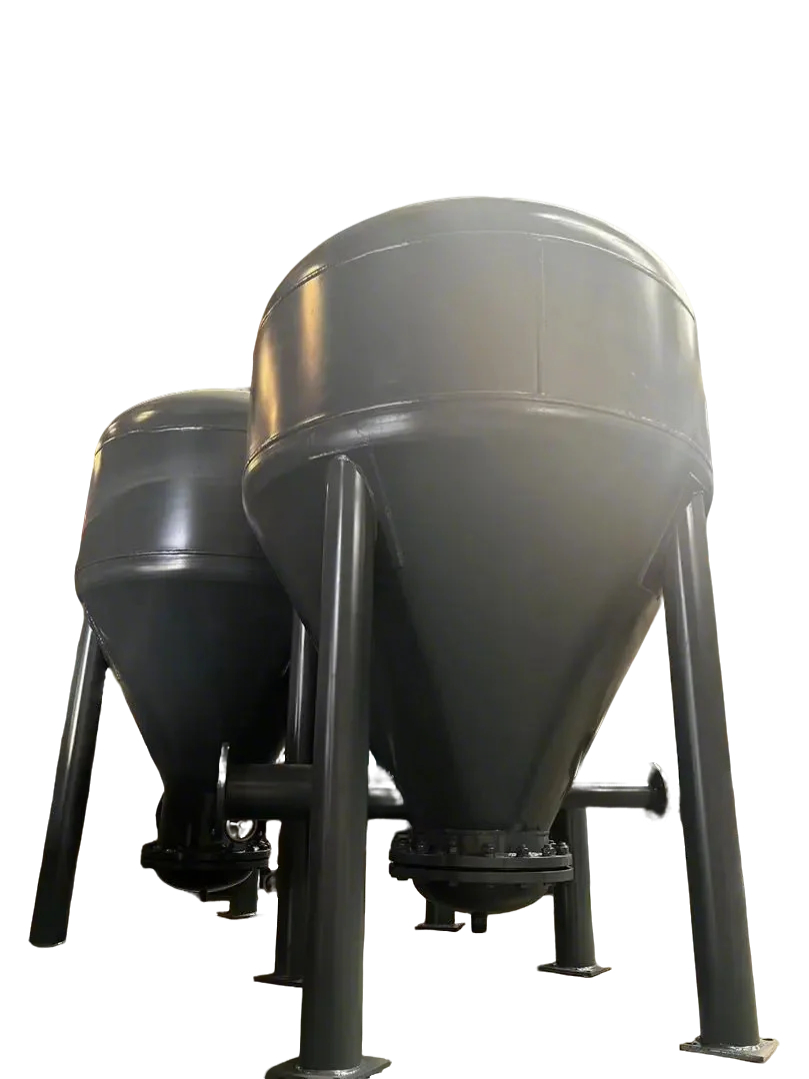
The vacuum-based approach fundamentally differs from pressure systems by pulling materials through sealed pipelines rather than pushing them, which prevents fugitive dust emissions at connection points and loading stations. Understanding why a pneumatic vacuum conveyor outperforms alternative bulk material pneumatic transport applications requires examining system architecture, operational efficiency, and real-world industrial performance metrics that directly impact production reliability and regulatory compliance.
Core Advantages of Pneumatic Vacuum Conveyor Technology
Sealed System Design and Contamination Control
The pneumatic vacuum conveyor operates under negative pressure, creating a fundamental advantage over positive pressure systems. Materials are drawn through enclosed piping networks, which prevents dust escape at all connection points and transfer junctures. In pharmaceutical manufacturing, where product contamination can result in batch failures costing hundreds of thousands of dollars, this sealing integrity becomes non-negotiable. The negative pressure environment also reduces the risk of external contaminants entering the conveyed material stream, protecting product quality at every transfer stage.
Pneumatic conveyor system design incorporates multiple redundancies to maintain vacuum integrity. Receiver tanks feature multiple seal points, filtration systems include overflow protection, and pipeline connections use vacuum-rated couplings that prevent leakage during material discharge. This engineered approach ensures that material movement occurs entirely within closed systems, eliminating visible dust plumes and reducing worker exposure to hazardous particles.
Operational Efficiency and Cost Reduction
Vacuum conveyor maintenance and troubleshooting costs decrease significantly because the sealed system reduces component wear and environmental stress. Piping networks experience less abrasion because materials move at lower velocities compared to pressure systems, extending equipment lifespan by 30 to 40 percent. The vacuum pump operates at consistent speeds, avoiding the pressure spikes that damage conventional pneumatic systems and trigger frequent repairs.
Energy consumption profiles show that pneumatic vacuum conveyor systems consume 15 to 25 percent less power than equivalent pressure systems when moving similar material volumes. This efficiency translates to lower operational costs across multi-shift production environments where systems run continuously. Combined with reduced maintenance interventions, the total cost of ownership becomes substantially lower than alternative bulk material pneumatic transport approaches.
Pneumatic Conveyor System Design Principles for Reliability
Pipeline Configuration and Material Flow Optimization
Effective pneumatic conveyor system design requires careful sizing of vacuum lines, receiver capacities, and filtration components based on material characteristics and throughput requirements. Materials with varying bulk densities, particle sizes, and moisture content demand different pipeline diameters and air velocity settings. Engineers select piping diameters to maintain suspension velocities that keep lighter particles airborne while preventing heavier materials from settling in horizontal runs where blockages develop.
The vacuum source itself becomes critical to system performance. Rotary vane pumps, liquid ring compressors, and claw vacuum generators each offer different advantages depending on duty cycle, noise considerations, and material compatibility. High-velocity materials like fine powders may require higher vacuum levels, while denser bulk materials operate efficiently at lower differential pressures. Proper pneumatic vacuum conveyor sizing ensures materials reach destination hoppers with minimal energy waste and maximum operational reliability.
Receiver Systems and Discharge Management
Receiver tanks serve multiple functions beyond simple material collection. These vessels separate conveyed materials from air streams, allowing heavy particles to settle while air exhausts through multi-stage filtration cartridges. Design includes overflow chutes that protect against overfilling while maintaining vacuum integrity, and discharge gates that enable controlled material release to downstream processes. The pneumatic conveyor system design must accommodate peak arrival velocities without allowing materials to accumulate at uncontrolled rates that would compromise system pressure stability.
Modern receiver systems incorporate level sensors, pressure monitoring devices, and automated discharge controls that synchronize material flow with production demand. These enhancements transform passive collection vessels into active system components that prevent operational disruptions and maintain consistent throughput rates. Integration of vacuum conveyor maintenance and troubleshooting sensors enables predictive maintenance protocols that identify wear patterns before catastrophic failures occur.
Bulk Material Pneumatic Transport Applications Across Industries
Pharmaceutical and Food Processing Excellence
Pharmaceutical manufacturers depend entirely on dust-free environments because airborne particles create batch contamination that renders products non-compliant with regulatory standards. A pneumatic vacuum conveyor moves active pharmaceutical ingredients from storage vessels to production equipment without exposing materials to ambient air or cross-contamination risks. Food processing operations similarly benefit from sealed conveyance because airborne flour, sugar, or spice particles create explosion hazards in addition to contamination concerns. These industries have adopted vacuum conveyor technology as the standard for bulk material pneumatic transport applications where product integrity equals operational success.
Chemical and Specialty Material Transfer
Chemical manufacturers handling toxic, reactive, or expensive powders require maximum containment and product recovery. A pneumatic vacuum conveyor system design enables zero-loss transfer where every particle reaches the intended destination without escape or waste. Specialty applications involving temperature-sensitive materials benefit from vacuum systems because lower conveying velocities generate less frictional heat compared to high-pressure systems. Industries processing carbon black, titanium dioxide, ceramic powders, and other challenging materials have standardized on vacuum conveyor maintenance and troubleshooting protocols because equipment reliability directly affects production uptime and worker safety.
Bulk Material Handling in Heavy Industry
Even heavy industries like mining and cement production increasingly adopt vacuum-based bulk material pneumatic transport applications for dust control and environmental compliance. Facilities relocating operations closer to populated areas cannot tolerate visible dust emissions that trigger regulatory enforcement actions. Vacuum conveyor technology enables operations that previously seemed incompatible with community standards, expanding market access and enabling profitable facility placement. The sealed system approach also recovers materials that open-system conveyors lose to escape, improving yield rates and profitability.
FAQ
What distinguishes a pneumatic vacuum conveyor from pressure-based pneumatic systems?
Vacuum systems operate under negative pressure, drawing materials through sealed pipelines, while pressure systems push materials forward. This fundamental difference means vacuum conveyors prevent dust emissions at connection points because the negative pressure contains materials rather than expelling them. Vacuum systems also generate lower operational noise, consume less energy, and cause minimal component wear compared to pressure alternatives. For industries prioritizing contamination prevention and environmental compliance, vacuum technology offers clear advantages that justify the equipment investment.
How does proper pneumatic conveyor system design impact maintenance requirements?
Thoughtful pneumatic conveyor system design minimizes component stress and extends equipment lifespan significantly. Systems sized appropriately for material characteristics operate at consistent pressure differentials, avoiding the pressure spikes that trigger premature pump failure. Properly configured piping prevents material settling and blockages that require costly cleaning and repairs. Quality vacuum conveyor maintenance and troubleshooting protocols, supported by integrated sensors and monitoring systems, enable predictive maintenance that addresses wear before failures occur, reducing emergency downtime.
Which industries benefit most from bulk material pneumatic transport applications using vacuum technology?
Pharmaceutical, food processing, and chemical manufacturers derive the greatest competitive advantage from bulk material pneumatic transport applications because these sectors demand absolute contamination prevention and product integrity. However, mining, cement production, plastics processing, and specialty material handling also gain significant operational and environmental compliance benefits. Any industry moving fine powders, handling hazardous materials, operating near residential areas, or required to demonstrate worker safety improvements becomes an ideal candidate for vacuum conveyor investment.