
 EN
EN
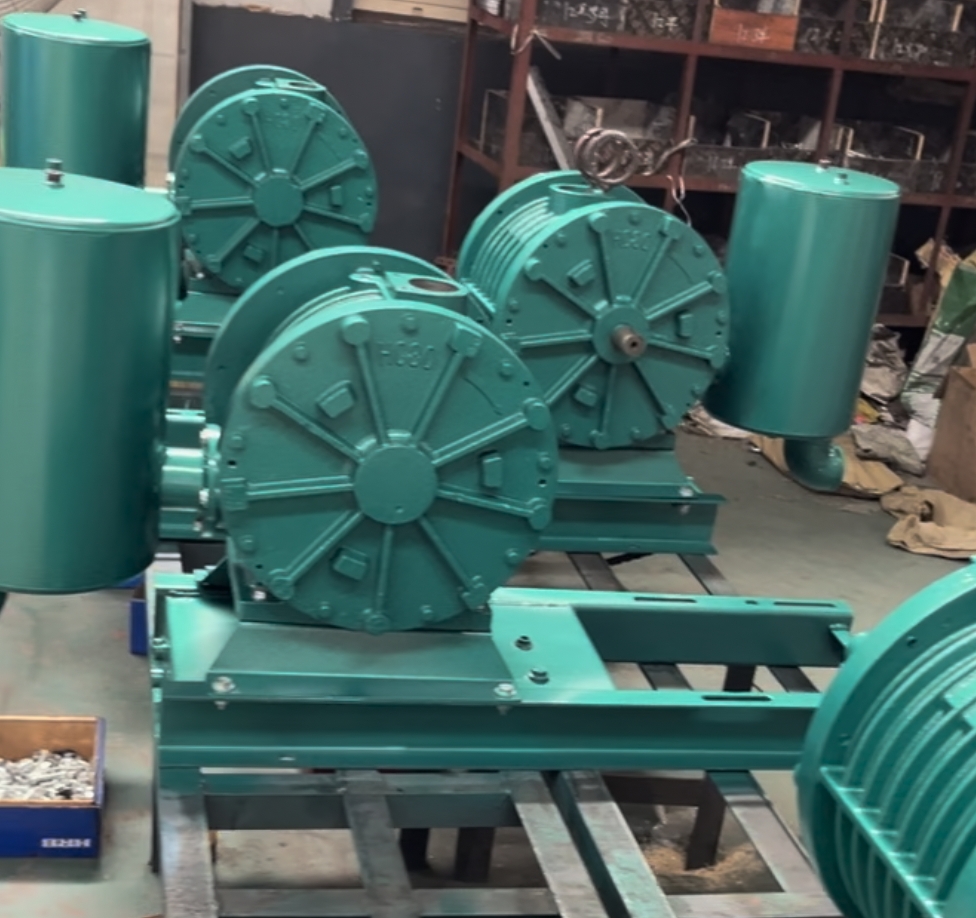
A rotary lobe blower has become the industry standard for pneumatic conveying systems, and understanding why reveals critical insights into industrial air handling efficiency. Pneumatic conveying relies on air pressure and flow to move bulk materials through pipelines, and the choice of blower technology directly impacts system performance, energy consumption, and operational reliability. The rotary lobe design offers distinct advantages that make it the preferred solution across diverse applications from food processing to cement handling.
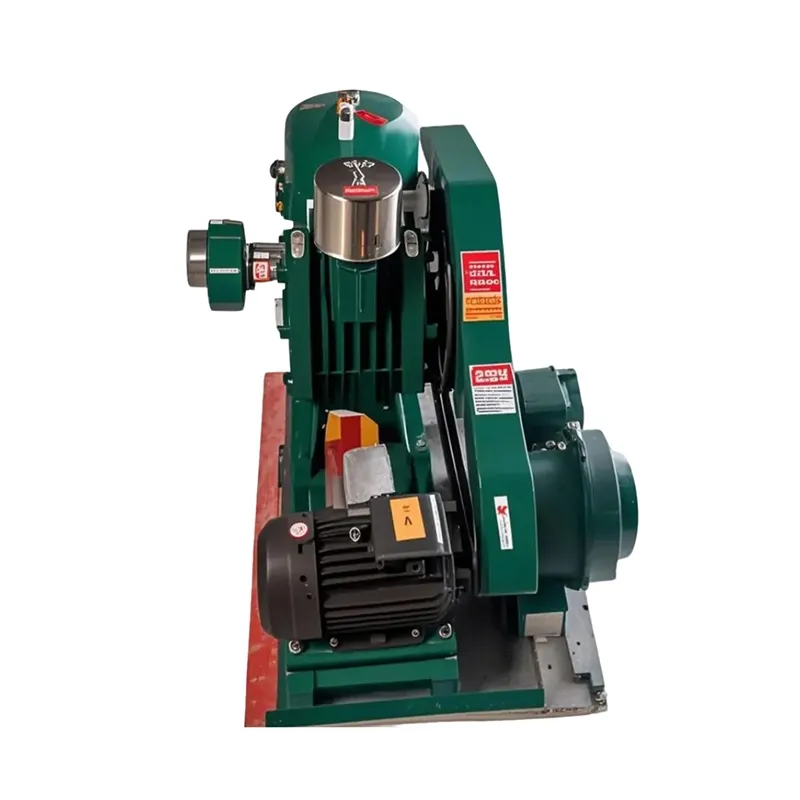
The fundamental reason for the rotary lobe blower's popularity lies in its positive displacement technology, which delivers consistent, predictable airflow regardless of downstream pressure variations. Unlike centrifugal alternatives, positive displacement blower applications maintain volumetric output stability, making them ideal for conveying dense materials and handling systems that experience pressure fluctuations. This reliability translates into reduced material degradation, fewer system stoppages, and lower operating costs in the long term.
Core Performance Advantages of Rotary Lobe Blower Technology
Consistent Flow Under Varying Load Conditions
The rotary lobe blower operates by trapping air in expanding chambers and forcing it into the discharge line, creating a metered flow that remains nearly constant across different operating pressures. This characteristic makes positive displacement blower applications superior when conveying abrasive or moisture-sensitive materials that demand gentle, steady movement. Industrial facilities handling cement, fly ash, or granular chemicals rely on this stability to prevent material separation and maintain product quality throughout the transfer process.
Superior Performance at Lower Speeds
Rotary lobe blower maintenance requirements decrease significantly because the design operates efficiently at lower rotational speeds compared to centrifugal units. Lower operating speeds reduce mechanical wear, extend bearing life, and minimize vibration-related stress on system components. Facilities can achieve required conveying velocities without pushing the blower to its maximum capacity, creating operational headroom and improving equipment longevity.
Rotary Lobe Blower vs Centrifugal Blower in Industrial Settings
Pressure Handling and Flow Stability
When comparing rotary lobe blower vs centrifugal blower performance, the distinction becomes apparent in demanding applications. Centrifugal blowers excel at high-volume, low-pressure applications but lose efficiency when pressure requirements spike unexpectedly. The rotary lobe design maintains output consistency across pressure ranges, making it the choice for systems requiring quick pressure pulses or handling variable material densities. This predictability proves essential in modern logistics where material throughput demands flexibility.
Thermal Characteristics and Cooling Demands
Rotary lobe blower vs centrifugal blower technology differs significantly in heat generation patterns. The positive displacement design generates more concentrated heat but in a controllable manner, allowing engineers to implement straightforward cooling strategies. Centrifugal units spread heat across larger volumes, often requiring expensive external cooling systems. Understanding these thermal differences helps facilities select the right technology and plan rotary lobe blower maintenance and troubleshooting protocols effectively.
Maintenance and Operational Reliability Factors
Predictable Maintenance Intervals
Rotary lobe blower maintenance and troubleshooting becomes more straightforward because the design operates within narrower performance windows, making deviations from normal behavior immediately apparent. Regular maintenance includes gearbox oil changes, seal inspections, and bearing lubrication checks, all following predictable schedules. Unlike centrifugal systems where progressive wear gradually reduces output, positive displacement blower applications maintain consistent performance until a specific component fails, allowing better maintenance planning and inventory management.
Common Issues and Solutions
Rotary lobe blower maintenance and troubleshooting typically address issues like seal wear, lubricant contamination, and bearing degradation. Early detection systems can identify unusual vibration patterns or temperature spikes, prompting intervention before catastrophic failure occurs. The straightforward mechanical design means most maintenance tasks can be performed by facility technicians without specialized equipment, reducing downtime and external service costs. Understanding these common failure modes helps operators implement condition-based monitoring strategies.
Why Industries Choose Positive Displacement Technology
Material Compatibility and System Flexibility
Positive displacement blower applications dominate pneumatic conveying because they handle diverse material types without system redesign. Whether conveying pharmaceutical powders, aggregates, or industrial minerals, the consistent flow characteristics protect material integrity. Facilities can upgrade or modify conveying lines without replacing the blower unit, making rotary lobe blower technology a long-term investment that adapts to changing production requirements.
Energy Efficiency and Operating Cost Management
While rotary lobe blower units require power input proportional to displacement volume, their predictable performance allows operators to right-size systems accurately, avoiding oversized equipment that wastes energy. The stable flow means less throttling and pressure relief venting compared to alternatives, reducing wasted air and associated energy costs. Industrial facilities with continuous conveying operations realize substantial savings over equipment lifespans through optimized rotary lobe blower maintenance and troubleshooting protocols combined with efficient operation.
FAQ
What makes a rotary lobe blower better than other blower types for pneumatic conveying?
A rotary lobe blower provides constant volumetric flow regardless of pressure changes, making positive displacement blower applications ideal for handling variable materials and maintaining consistent conveying velocity. This stability prevents material degradation and system stoppages, providing superior reliability compared to pressure-dependent alternatives.
How does rotary lobe blower vs centrifugal blower selection depend on system requirements?
Choose a rotary lobe blower for applications requiring steady pressure, high-density materials, or variable flow demands. Select centrifugal technology only for high-volume, low-pressure applications where cost is the primary concern. Understanding your system's pressure profile and material characteristics ensures the right technology choice for optimal performance and cost-effectiveness.
What are the primary rotary lobe blower maintenance and troubleshooting priorities?
Focus on monitoring seal condition, maintaining proper lubricant levels, tracking bearing performance, and detecting unusual vibration patterns. Regular rotary lobe blower maintenance and troubleshooting based on these metrics prevents unexpected failures and extends equipment life, while condition-based monitoring helps schedule interventions during planned maintenance windows.