
 EN
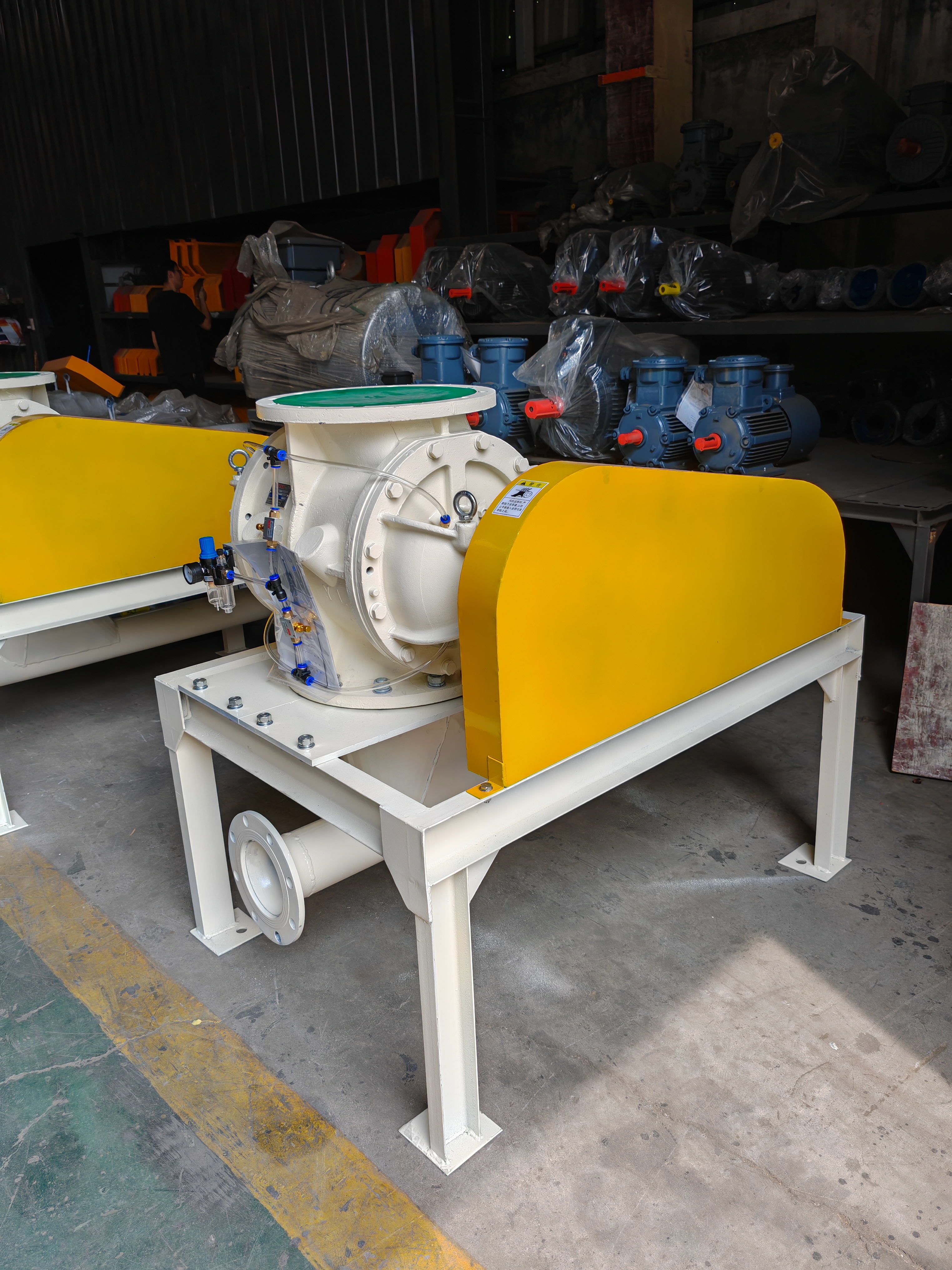
Accurate bulk material feeding forms the backbone of efficient industrial operations, and an industrial rotary feeder represents one of the most critical components in modern material handling workflows. Whether you operate a cement plant, pharmaceutical facility, chemical processing center, or food production line, the precision and reliability of your feeding system directly impact product quality, operational efficiency, and bottom-line profitability. An industrial rotary feeder serves as the controlled gateway between raw material storage and downstream processing, ensuring consistent volumetric discharge that matches process demands exactly.
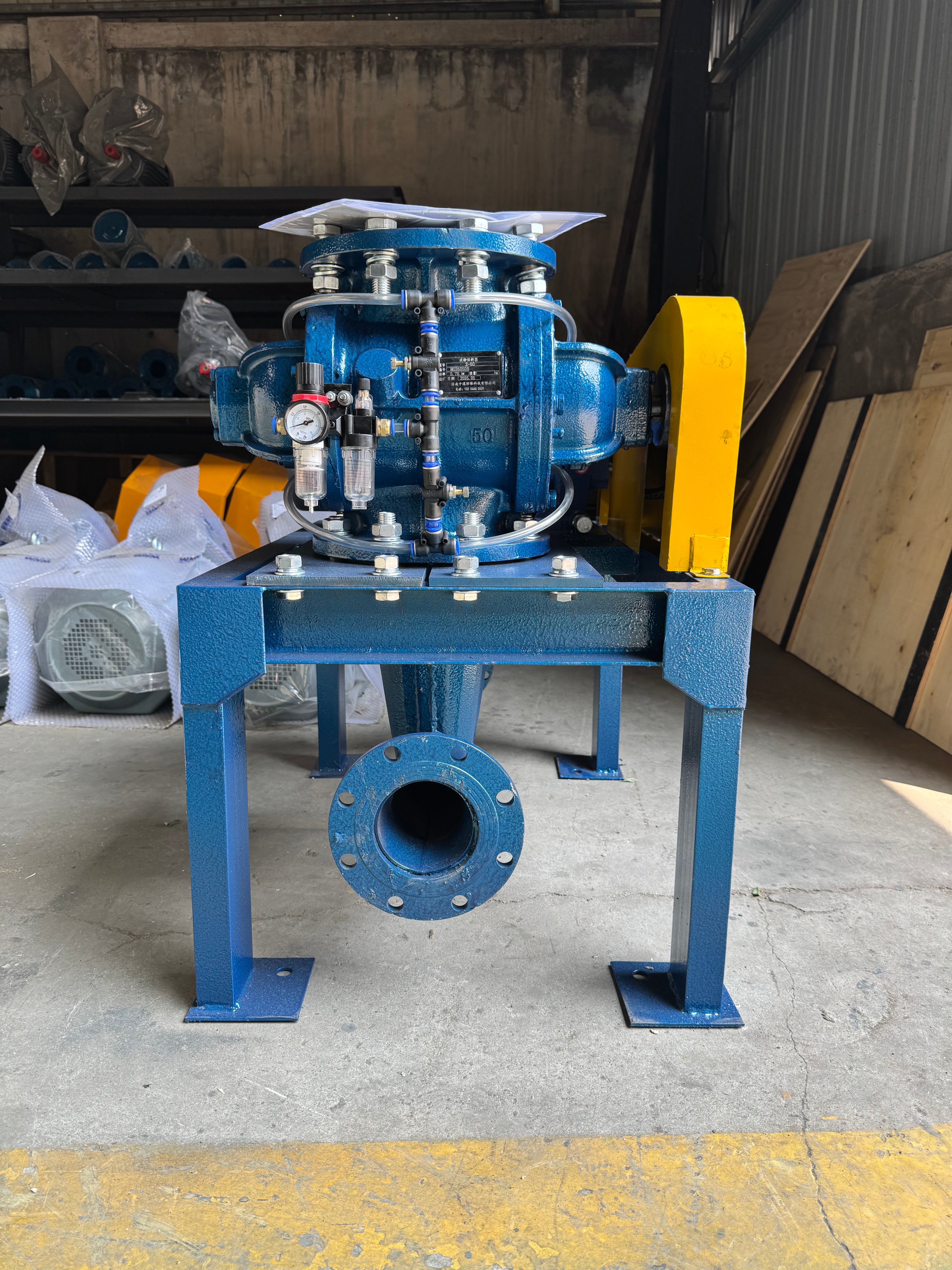
When integrated into bulk material handling equipment systems, industrial rotary feeders eliminate the operational challenges that plague conventional feeding methods. Inconsistent flow rates, material bridging, segregation, and uncontrolled discharge create quality variations and equipment strain that cost manufacturers thousands of dollars annually in wasted product and downtime. A properly specified and installed industrial rotary feeder prevents these costly failures by providing metered, uniform material delivery that synchronizes perfectly with your production rhythm and downstream pneumatic conveyor systems.
Understanding the Role of Industrial Rotary Feeders in Material Control
Precision Discharge and Volumetric Accuracy
The fundamental value of an industrial rotary feeder lies in its ability to discharge bulk materials at precisely controlled rates regardless of hopper pressure or material properties. Unlike gravity-fed systems that produce erratic flow patterns, an industrial rotary feeder uses rotating lobed or vane-equipped housings to capture material in discrete pockets and deliver it in measured increments. This volumetric metering approach maintains feed consistency within tight tolerances, which proves essential for maintaining product specifications and preventing quality deviations that trigger customer complaints and regulatory violations.
Bulk material handling equipment operators appreciate this precision because it reduces the need for downstream flow regulation devices and minimizes product loss during the conveying process. When material enters pneumatic conveyor systems with uniform velocity and density, the entire transportation pipeline operates at peak efficiency, reducing energy consumption and extending equipment lifespan. The investment in an industrial rotary feeder pays dividends through improved process control and reduced operational costs.
Integration with Pneumatic Conveyor Systems
Modern bulk material handling equipment increasingly relies on pneumatic conveyor systems for efficient long-distance transport, and an industrial rotary feeder serves as the critical interface between stationary storage and airborne conveying. When a rotary airlock valve operates in conjunction with compressed air systems, it creates a pressure-sealed transition that prevents air leakage while delivering material at rates synchronized with air velocity and system capacity. This integration eliminates material backup, prevents system blockages, and maintains the energy balance necessary for reliable long-distance pneumatic transport.
The rotary airlock valve function within an industrial rotary feeder design ensures that material enters the conveying stream with minimal turbulence and optimal packing density. This reduces air requirement and accelerates throughput, making pneumatic conveyor systems more economical to operate while improving overall system responsiveness to production demand variations.
Key Performance Advantages of Industrial Rotary Feeders
Preventing Material Degradation and Segregation
Bulk material handling equipment systems often process friable, segregation-prone, or moisture-sensitive materials that degrade rapidly under conventional feeding methods. An industrial rotary feeder minimizes impact forces and material tumbling, preserving particle integrity and preventing the generation of fines that contaminate products and create pneumatic conveyor system flow restrictions. For applications requiring rotary airlock valve performance characteristics, the gentle handling provided by modern feeder designs ensures that sensitive materials maintain their original properties through the entire feeding process.
Industries such as pharmaceuticals, specialty chemicals, and food production depend on industrial rotary feeders to prevent segregation effects that separate fine particles from coarse material, creating inconsistent downstream composition. By controlling flow at the source, an industrial rotary feeder maintains material homogeneity and prevents the batch-to-batch variations that plague operations using uncontrolled feeding methods.
Reducing Operational Downtime and Maintenance Requirements
Conventional bulk material handling equipment frequently suffers from bridging, ratholing, and material pack-offs that force production shutdowns until operators manually clear the blockage. An industrial rotary feeder virtually eliminates these failure modes by providing active material engagement and continuous, controlled discharge that prevents the stagnant zones where materials bridge and compact. This reliability directly translates to extended production runs, reduced emergency maintenance calls, and dramatically improved equipment availability.
When an industrial rotary feeder operates as the primary discharge device from storage hoppers, supplemented by proper hopper geometry and occasional vibration assistance, the entire bulk material handling equipment system achieves operational stability unattainable through passive design alone. Facilities report uptime improvements of fifteen to twenty percent after upgrading to properly engineered rotary feeder solutions, making the capital investment economically justified within months.
Selection Criteria and Application Considerations
Material Property Evaluation for Feeder Suitability
Selecting the correct industrial rotary feeder requires thorough analysis of material properties including particle size distribution, bulk density, moisture content, abrasiveness, and flow characteristics under pressure. Different bulk material handling equipment applications demand different feeder designs; fine powders require different rotor geometries than coarse granular materials, and sticky or hygroscopic materials need special housing treatments and seal designs. Understanding how rotary airlock valve principles apply to your specific material type ensures reliable performance and prevents premature wear or bridging problems.
An industrial rotary feeder selected without proper material characterization often becomes a bottleneck that frustrates operations and damages reputation for reliability. Manufacturers should conduct pilot testing and engage equipment specialists who understand both the material behavior and feeder design variables that govern successful integration into pneumatic conveyor systems and broader bulk material handling equipment networks.
System Integration and Process Synchronization
Effective industrial rotary feeder performance requires careful integration with downstream processes, pneumatic conveyor systems, and overall production scheduling strategies. Speed control of the rotary mechanism must accommodate both minimum feed requirements and maximum material availability without creating backpressure that damages upstream equipment or strains motor systems. An industrial rotary feeder that operates at fixed speed regardless of demand creates inefficiencies, while one that adjusts to real-time process needs through variable frequency drives or hydraulic controls delivers optimal energy utilization and process flexibility.
When pneumatic conveyor systems operate at varying throughput rates, an industrial rotary feeder with responsive speed adjustment capability prevents material surges that overwhelm transport capacity and reduces starvation periods that create air-only conveying conditions. This synchronization between feeding rate and downstream demand transforms the feeder from a passive device into an active process management tool that enhances overall facility productivity.
FAQ
What is the primary function of an industrial rotary feeder in bulk material handling equipment systems?
An industrial rotary feeder serves as a precision discharge device that meters bulk materials at controlled volumetric rates from storage hoppers into downstream processes such as pneumatic conveyor systems. It prevents uncontrolled free-fall discharge, eliminates bridging and ratholing problems, and ensures material flows at rates synchronized with process demands. By providing uniform, gentle material handling, an industrial rotary feeder maintains product quality while enabling operational efficiency that would be impossible with passive gravity-fed systems.
How does an industrial rotary feeder improve pneumatic conveyor system performance?
An industrial rotary feeder acts as a pressure-sealed interface that feeds material into pneumatic conveyor systems at optimized rates and densities for efficient airborne transport. By preventing material surges and maintaining consistent packing density, an industrial rotary feeder reduces air requirement, improves velocity profile uniformity, and minimizes system blockages. When a rotary airlock valve design is properly integrated, it creates an effective pressure barrier that prevents system depressurization while delivering material in optimal condition for downstream conveying.
What material characteristics require special consideration when selecting an industrial rotary feeder?
Particle size distribution, bulk density, moisture content, abrasiveness, and flow characteristics under pressure all influence industrial rotary feeder performance and suitability for specific bulk material handling equipment applications. Fine powders, coarse granules, sticky materials, and hygroscopic substances each require different rotor geometries, seal designs, and operational parameters to ensure reliable discharge without bridging, segregation, or product degradation. Proper material evaluation and pilot testing prevent costly feeder selection mistakes and ensure pneumatic conveyor systems receive material in optimal condition.