High-Performance Magnetic Levitation Blowers: Advanced Air Handling Solutions

All Categories

magnetic levitation blower types

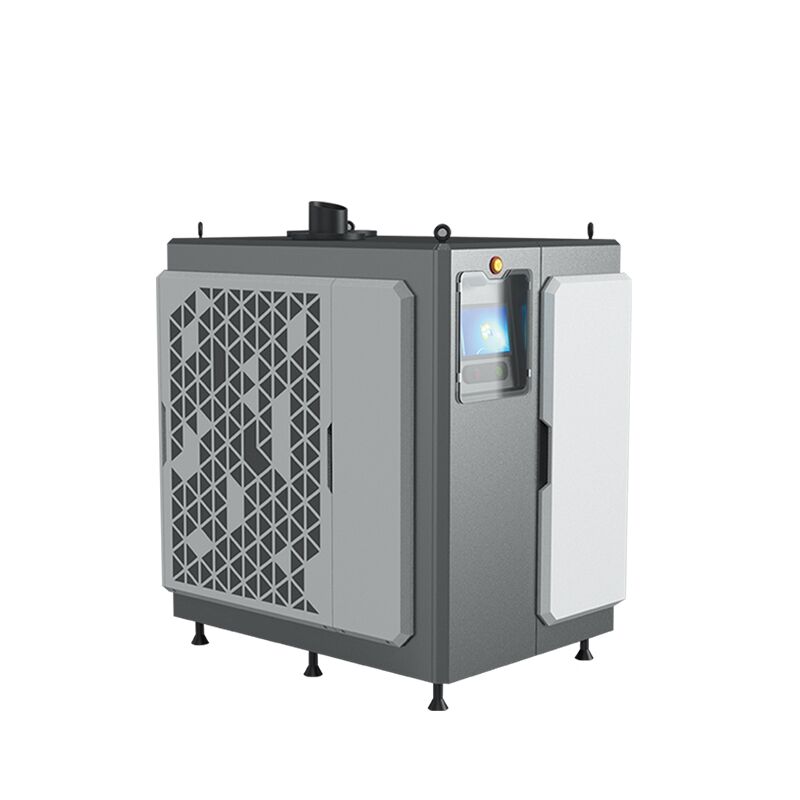
Magnetic levitation blowers represent a groundbreaking advancement in air handling technology, utilizing electromagnetic forces to suspend the rotating shaft in mid-air without physical contact. These innovative devices operate through a sophisticated system of magnetic bearings that eliminate the need for traditional mechanical bearings, oil, and other friction-causing components. The core technology employs powerful electromagnets controlled by precise sensors and advanced control systems, maintaining the optimal position of the rotating assembly during operation. These blowers typically operate at high speeds, ranging from 15,000 to 60,000 RPM, delivering exceptional airflow efficiency. The system continuously monitors and adjusts the magnetic fields thousands of times per second, ensuring stable operation even under varying load conditions. Modern magnetic levitation blowers incorporate smart features such as integrated cooling systems, variable frequency drives, and advanced monitoring capabilities. They find extensive applications across various industries, including wastewater treatment, industrial air supply, power generation, and chemical processing. The technology's ability to handle both clean and contaminated air streams while maintaining consistent performance makes it particularly valuable in demanding industrial environments.
New Products

Magnetic levitation blowers offer numerous compelling advantages that set them apart from conventional air handling solutions. The absence of mechanical contact between rotating components eliminates wear and tear, resulting in significantly reduced maintenance requirements and extended equipment lifespan. Users benefit from substantial energy savings, as the frictionless operation reduces power consumption by up to 30% compared to traditional blowers. The oil-free design ensures clean operation, making these blowers ideal for applications where contamination must be avoided. The technology provides exceptional reliability with minimal downtime, as there are no mechanical bearings to maintain or replace. Operating costs are notably lower due to reduced maintenance needs and improved energy efficiency. The precise control systems enable seamless adjustment of airflow and pressure, allowing for optimal performance across various operating conditions. These blowers operate with remarkably low noise levels, creating a better working environment for facility personnel. The compact design requires less floor space, providing flexibility in installation and facility layout. The absence of lubrication systems eliminates the need for oil management and disposal, contributing to environmental sustainability. Advanced monitoring capabilities enable predictive maintenance, allowing operators to address potential issues before they impact performance. The technology's ability to maintain consistent output over long operating periods ensures stable processes and improved product quality in manufacturing applications.

Practical Tips

How to Choose the Right Roots Blower for Industrial Use?

28

May

How to Choose the Right Roots Blower for Industrial Use?

View More
What Benefits Do Roots Blowers Offer in Pneumatic Conveying?

28

May

What Benefits Do Roots Blowers Offer in Pneumatic Conveying?

View More
What is a rotary feeder and how does it work?

28

May

What is a rotary feeder and how does it work?

View More
What are the main applications of rotary feeders?

28

May

What are the main applications of rotary feeders?

View More

Get a Free Quote

Our representative will contact you soon.
Email
Name
Company Name
Message
0/1000

magnetic levitation blower types

Superior Operational Efficiency

Superior Operational Efficiency

Magnetic levitation blowers achieve unprecedented levels of operational efficiency through their innovative design and advanced technology. The frictionless operation enabled by magnetic bearings significantly reduces energy losses traditionally associated with mechanical systems. This results in power savings of up to 30%, directly impacting operational costs and environmental footprint. The system's ability to maintain optimal performance across varying speeds and loads ensures consistent efficiency throughout the operating range. The precise control systems automatically adjust to changing conditions, maintaining peak efficiency without operator intervention. This level of optimization extends to the entire air handling process, from intake to discharge, maximizing the overall system effectiveness.
Minimal Maintenance Requirements

Minimal Maintenance Requirements

The revolutionary design of magnetic levitation blowers dramatically reduces maintenance needs compared to conventional alternatives. The elimination of mechanical bearings, lubricating oils, and wear components results in a system that requires minimal routine maintenance. This translates to significantly reduced downtime, lower maintenance costs, and increased operational reliability. The sophisticated monitoring systems provide real-time feedback on equipment health, enabling predictive maintenance strategies that prevent unexpected failures. The absence of oil-related maintenance tasks not only saves time and resources but also eliminates the environmental concerns associated with oil disposal and potential contamination.
Advanced Control and Monitoring

Advanced Control and Monitoring

Magnetic levitation blowers incorporate state-of-the-art control and monitoring systems that ensure optimal performance under all operating conditions. The sophisticated control algorithms continuously adjust magnetic field strength and rotor position thousands of times per second, maintaining stable operation even during rapid load changes. Advanced sensors monitor critical parameters including temperature, vibration, and power consumption, providing comprehensive system oversight. The integration of smart features enables remote monitoring and control capabilities, allowing operators to optimize performance from anywhere. The system's ability to automatically respond to changing conditions ensures consistent output while preventing potential damage from adverse operating conditions.