 EN
EN
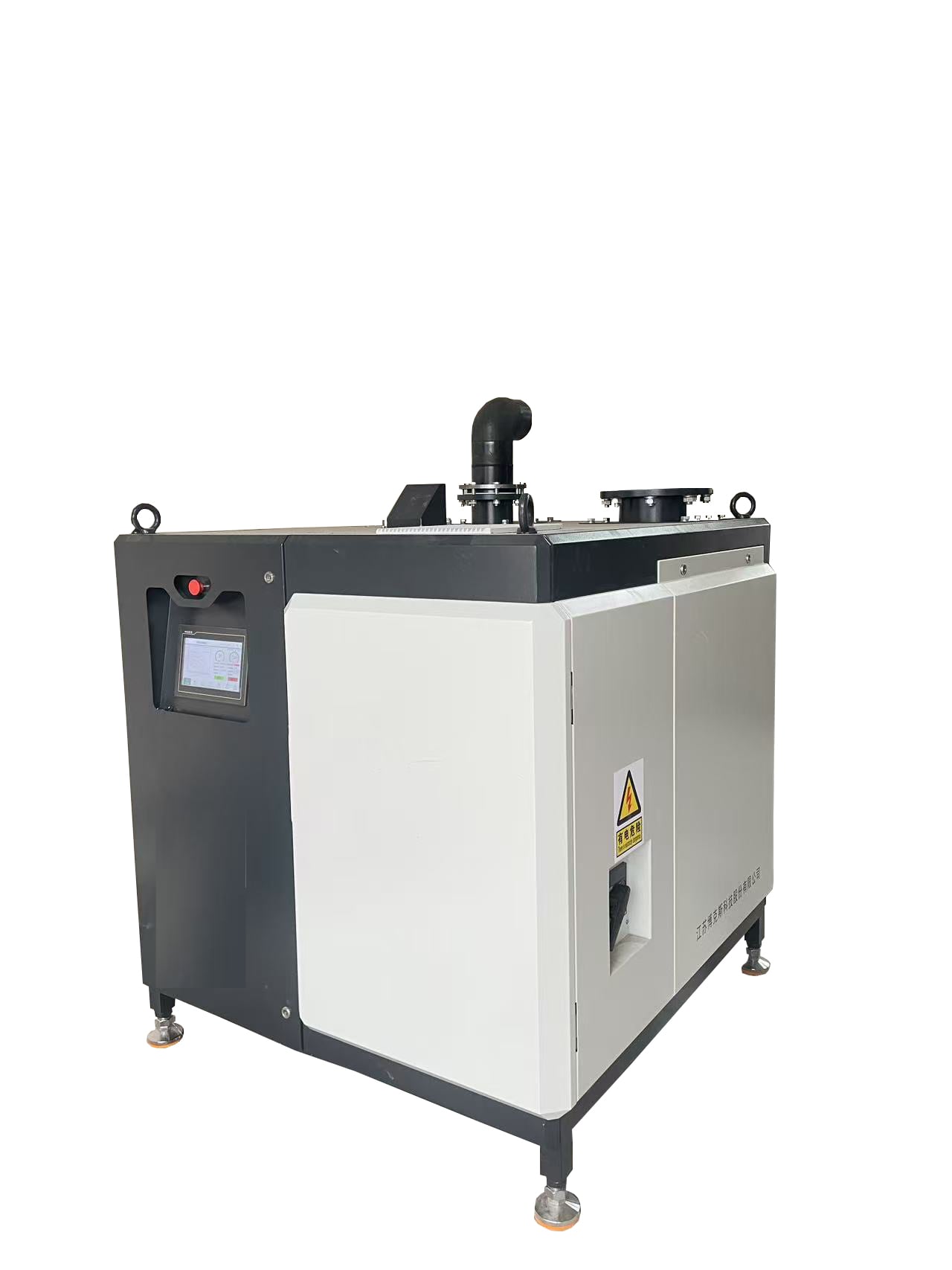
Industrial facilities face constant pressure to optimize operational efficiency while managing costs. Traditional bearing systems in centrifugal fans generate friction, heat, and maintenance demands that accumulate over months and years. A magnetic levitation blower addresses these challenges directly by eliminating mechanical contact between rotating and stationary components. This fundamental shift in design delivers measurable improvements in both productivity and operating costs, making it a strategic investment for facilities seeking competitive advantage.
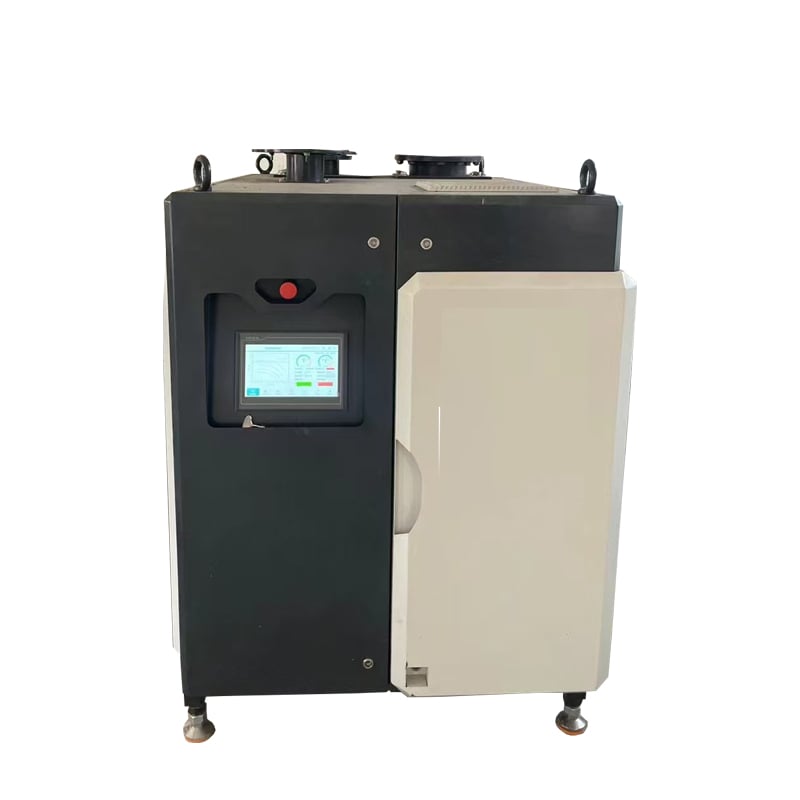
The performance gains from contactless bearing technology extend far beyond simple noise reduction. By eliminating friction-based wear, these systems achieve sustained high-speed operation without degradation. High-speed centrifugal fan systems powered by magnetic suspension deliver greater volumetric throughput per kilowatt consumed. Energy-efficient industrial air handling becomes not just an aspirational goal but a measurable outcome, directly reflected in utility bills and carbon footprint metrics that stakeholders now scrutinize carefully.
How Contactless Bearing Technology Transforms Operating Economics
Elimination of Mechanical Friction and Wear
Traditional rolling-element bearings rely on ball or roller contact to support shaft loads. Over time, this contact generates heat, requires lubrication cycles, and eventually leads to wear patterns that necessitate scheduled maintenance. Contactless bearing technology replaces this physical contact with magnetic suspension. The magnetic levitation blower system uses controlled electromagnetic fields to levitate the rotor, creating a frictionless gap. This gap eliminates the primary source of energy loss and mechanical degradation that drives maintenance schedules.
Without friction-driven wear, the operational envelope expands significantly. High-speed centrifugal fan systems can sustain rated performance for extended periods without performance deterioration. Bearing replacement intervals stretch or disappear entirely, and unplanned downtime from bearing failure becomes virtually eliminated. For facilities operating process-critical ventilation or cooling systems, this reliability translates directly to reduced emergency repairs and associated labor costs.
Energy Savings Through Reduced Resistance
Friction dissipates energy as heat in conventional bearing systems. Every watt lost to bearing friction must be compensated by additional motor input, driving up electricity consumption. A magnetic levitation blower operates with significantly lower internal resistance, meaning each motor watt contributes more effectively to useful airflow. Energy-efficient industrial air handling becomes quantifiable: typical installations report five to fifteen percent reductions in motor power draw compared to conventional fans moving equivalent volumes.
The cumulative effect across annual operating hours produces substantial cost savings. A facility running a magnetic levitation blower continuously for 8,760 hours annually will recover the equipment investment through energy savings alone, then continue capturing operational cost reductions indefinitely. This economic advantage scales with facility size and operating hours, making magnetic suspension systems most attractive for large-volume, continuous-duty applications.
Performance Gains in High-Speed Centrifugal Fan Systems
Sustained High-Speed Operation Without Thermal Degradation
High-speed centrifugal fan systems push air volumes that traditional designs cannot achieve within practical package sizes. Operating at speeds exceeding 15,000 RPM generates significant centrifugal forces and heat in conventional bearing assemblies, forcing equipment designers to impose speed limits or accept expensive cooling infrastructure. Contactless bearing technology removes this thermal constraint. Magnetic levitation blower systems achieve sustained high-speed operation without bearing-induced heat accumulation, enabling faster rotor speeds and higher efficiency levels.
This capability proves particularly valuable in applications demanding high static pressure or rapid response to dynamic load changes. HVAC systems in large buildings, industrial process cooling, and semiconductor cleanroom applications all benefit from the ability to operate continuously at peak efficiency. The magnetic levitation blower maintains consistent performance throughout its operational life, while conventional systems show performance degradation as bearing wear increases internal friction.
Reliability and Productivity Enhancement
Manufacturing facilities, data centers, and process plants depend on air handling systems for environmental control and product quality. Unplanned downtime from bearing failure or overheating disrupts operations and creates cascading costs. A magnetic levitation blower, supported by contactless bearing technology, eliminates the most common failure modes in centrifugal systems. The resulting reliability improvement directly increases facility productivity by reducing forced shutdowns and maintenance windows.
When air handling systems run reliably, facility managers can optimize process schedules without building in downtime buffers. Production throughput increases measurably. For semiconductor, pharmaceutical, or food processing operations where environmental conditions directly affect product yield, the reliability of high-speed centrifugal fan systems becomes a competitive differentiator. Customers recognize facilities with superior reliability and deliver higher-value contracts accordingly.
Strategic Cost Reduction Across the Equipment Lifecycle
Lower Maintenance Labor and Material Costs
Maintenance budgets for traditional centrifugal systems include bearing replacement, seal kit updates, lubrication scheduling, and vibration monitoring. A magnetic levitation blower operates with zero bearing maintenance requirements. No lubrication cycles, no seal replacements, and no bearing service intervals. This simplification alone reduces annual maintenance labor hours significantly. Facilities typically eliminate multiple technician visits annually, redirecting those labor hours to higher-value preventive work or capacity expansion projects.
Parts inventory costs shrink correspondingly. Energy-efficient industrial air handling systems powered by contactless bearing technology require dramatically fewer replacement parts in spare-parts inventory. This reduction frees up capital that previously sat idle in warehouses, improving cash flow. For multi-facility operations, the simplification across a large equipment population compounds these benefits substantially.
Extended Equipment Life and Deferred Replacement Cycles
Conventional centrifugal fans typically face major rebuild or replacement decisions at ten to fifteen year marks when cumulative bearing wear reduces efficiency and increases failure risk. A magnetic levitation blower, unaffected by bearing wear, maintains design performance specifications essentially indefinitely. The useful life of the equipment extends dramatically, deferring large capital replacement expenses and extending return on investment windows. This extended operational life reduces the average annual equipment cost across the service period, improving cost-per-operating-hour metrics that drive capital budgeting decisions.
FAQ
What specific energy savings should a facility expect from installing a magnetic levitation blower?
Energy savings vary based on existing equipment efficiency, operating hours, and application profile. Typical installations report five to fifteen percent reductions in motor power consumption compared to conventional centrifugal fans of equivalent capacity. A facility running such equipment twenty-four hours daily can expect annual energy cost reductions in the thousands of dollars, with payback periods of three to seven years depending on local electricity rates and equipment scale.
How does contactless bearing technology reduce unplanned downtime risk?
Contactless bearing technology eliminates bearing failure as a downtime risk. Traditional rolling-element bearings eventually wear, heat, and fail, forcing emergency maintenance or replacement. Magnetic levitation blower systems operate without mechanical bearing contact, removing this dominant failure mode. The result is dramatically improved system availability and reliability, allowing facility managers to plan maintenance proactively rather than react to unexpected failures during critical operating periods.
Are high-speed centrifugal fan systems with magnetic suspension suitable for all industrial applications?
Magnetic levitation blower technology works exceptionally well for applications requiring continuous operation, high reliability, or significant energy consumption. Facilities with large air handling loads, extended operating hours, or stringent uptime requirements realize the strongest return on investment. Applications with intermittent or low-speed operation may see reduced financial benefits. Consulting with equipment specialists helps determine optimal fit for specific facility profiles and operating conditions.