
 EN
EN
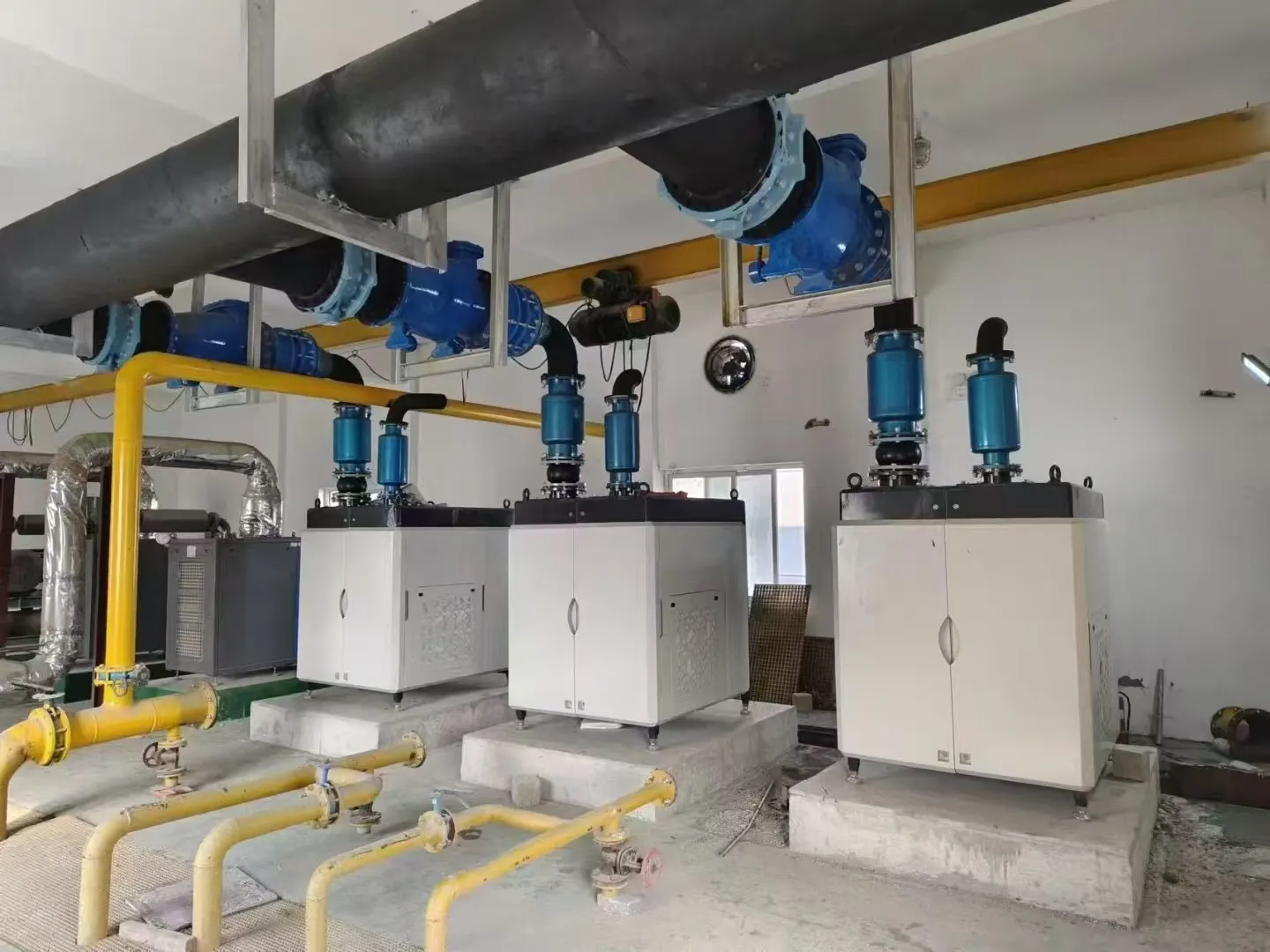
The industrial air handling landscape is undergoing a fundamental transformation, and magnetic levitation blower technology stands at the center of this revolution. Traditional centrifugal blowers have dominated manufacturing facilities, data centers, and HVAC systems for decades, but their mechanical bearing systems introduce inherent limitations in efficiency, maintenance frequency, and operational lifespan. Modern industrial operations now demand better solutions, and bearingless blower technology delivers exactly what legacy systems cannot: frictionless operation, extended service intervals, and dramatically improved energy efficiency.
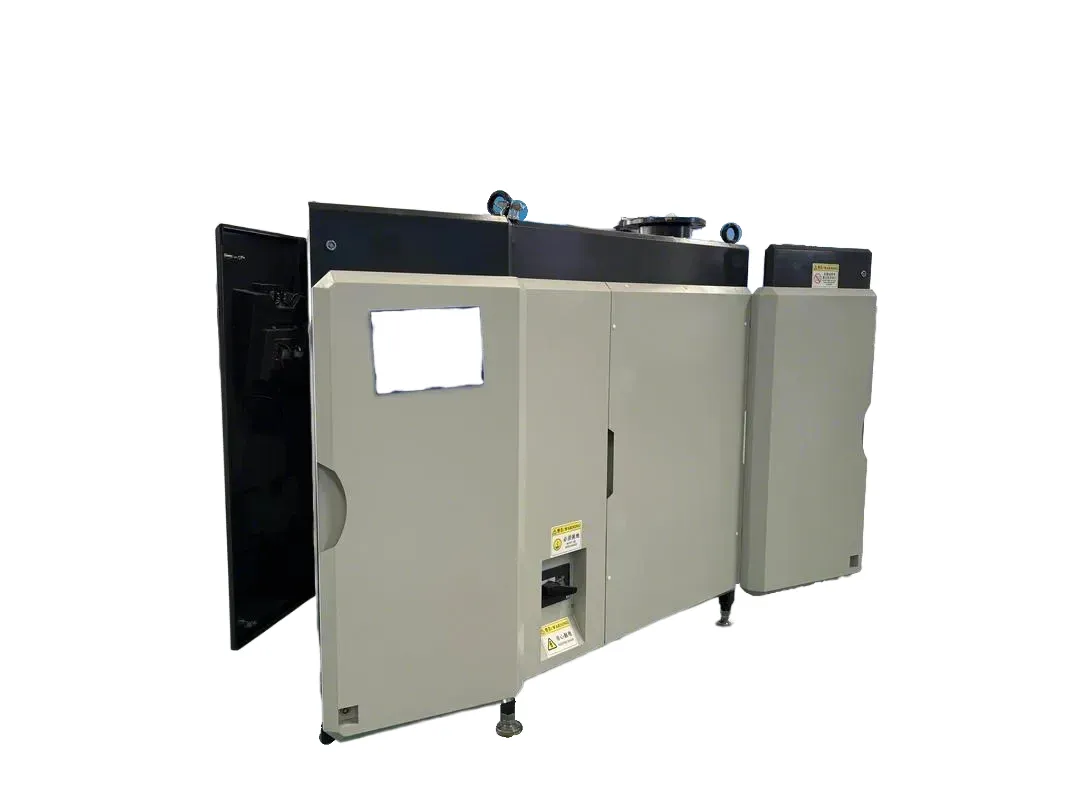
Understanding why magnetic suspension fan applications are reshaping air handling requires examining the physics and economics driving adoption. Unlike conventional blowers that rely on rolling-element bearings to support the rotor, contactless air handling systems use controlled magnetic fields to suspend the rotor in mid-air, eliminating mechanical friction entirely. This fundamental shift in design philosophy creates measurable advantages across efficiency metrics, maintenance costs, operational reliability, and system longevity that resonate throughout industrial sectors.
Core Advantages of Bearingless Blower Technology
Elimination of Mechanical Friction and Wear
The primary advantage of magnetic levitation blower systems lies in the complete removal of physical contact between rotating and stationary components. Traditional ball bearings generate friction during operation, consuming energy and generating heat that must be dissipated through lubrication systems. Over thousands of operating hours, bearing surfaces wear, tolerances degrade, and vibration increases. Contactless air handling systems eliminate this entire failure mode by suspending the rotor magnetically. Without mechanical contact, there is no friction, no bearing wear, and no progressive performance degradation. This fundamental difference translates directly into extended operating intervals and reduced unplanned downtime that characterizes bearing-based equipment.
Energy Efficiency and Operating Cost Reduction
Bearingless blower technology significantly improves system efficiency because no energy is wasted overcoming friction losses in bearing assemblies. Conventional magnetic suspension fan applications typically operate at higher isentropic efficiencies compared to equivalent bearing-based designs, often delivering 3 to 8 percent better performance depending on operating conditions and speed range. For industrial facilities operating blowers continuously, this efficiency gain compounds into substantial annual energy savings. A facility running a large-scale centrifugal blower system twenty-four hours daily experiences cumulative energy reductions that justify the higher capital investment of magnetic levitation blower installations within three to five years through operational savings alone.
Magnetic Suspension Fan Applications Across Industrial Sectors
Data Center Cooling and Mission-Critical Operations
Data centers represent one of the highest-value application environments for contactless air handling systems because cooling infrastructure directly impacts facility uptime and energy expenses. Magnetic levitation blower systems deliver silent operation, reduced vibration transmission to sensitive equipment, and reliability metrics that align with enterprise data center availability requirements. The elimination of bearing maintenance during system operation means cooling systems continue functioning without interruption for years, supporting mission-critical processing environments where even brief outages cause significant business impact.
Semiconductor Manufacturing and Clean Room Applications
Semiconductor fabrication facilities impose strict contamination control requirements that benefit substantially from bearingless blower technology. Magnetic suspension fan applications generate no bearing dust or lubricant aerosols, maintaining superior air purity in cleanroom environments. The reduced vibration from frictionless operation also minimizes equipment disturbance in precision manufacturing settings where vibration can degrade product quality. These characteristics make contactless air handling systems the preferred choice for process air delivery in modern semiconductor plants competing for yield improvements and quality certifications.
Reliability, Maintenance, and Long-Term Economics
Dramatically Extended Service Intervals and Predictable Maintenance
The magnetic levitation blower design fundamentally changes maintenance economics by eliminating the bearing replacement cycles that drive traditional blower operating costs. Conventional systems typically require bearing service every three to five years, involving scheduled downtime, skilled technician labor, and spare parts inventory. Contactless air handling systems operate for extended periods without requiring internal service interventions, reducing total cost of ownership through lower labor demands, minimal spare parts requirements, and eliminated unscheduled maintenance emergency expenses. When maintenance does occur, digital monitoring systems provide advance warning, allowing planned interventions during scheduled maintenance windows rather than responding to unexpected failures.
Condition Monitoring and Predictive Reliability Intelligence
Modern magnetic levitation blower installations incorporate integrated sensor systems that monitor rotor position, bearing gap, magnetic field strength, and vibration characteristics in real-time. This instrumentation provides facilities managers with continuous system health intelligence that enables predictive maintenance planning and immediate fault detection. Bearingless blower technology systems can operate reliably for fifteen to twenty years between major overhauls when properly maintained, compared to ten to twelve-year cycles typical for conventional bearing-based equipment. The extended service life, combined with reduced maintenance frequency, creates compelling economic justification for capital investment in contactless air handling systems.
FAQ
How does magnetic suspension fan technology compare to conventional bearing systems in terms of reliability?
Magnetic levitation blower systems achieve superior reliability by eliminating mechanical bearing wear that represents the primary failure mode in conventional designs. Bearingless blower technology systems experience no bearing degradation, require no periodic lubrication changes, and operate with predictable performance characteristics for extended periods. Mean time between failures typically increases by 40 to 60 percent compared to equivalent bearing-based equipment, making magnetic suspension fan applications substantially more dependable for critical industrial applications demanding high availability.
What is the typical cost difference between magnetic levitation blower systems and traditional centrifugal blowers?
Initial capital investment for contactless air handling systems typically ranges from 15 to 30 percent higher than conventional bearing-based equipment, depending on system size and performance specifications. However, this premium is recovered through reduced operating costs, eliminated bearing maintenance, extended service intervals, and improved energy efficiency within three to five years for most industrial applications. Over a fifteen to twenty-year system lifecycle, total cost of ownership frequently favors magnetic levitation blower technology by 25 to 40 percent when accounting for downtime prevention, labor savings, and accumulated energy efficiency gains.
Are bearingless blower technology systems suitable for retrofit applications in existing industrial facilities?
Many facilities can retrofit existing ductwork and piping systems with contactless air handling systems, though integration requirements depend on specific application constraints and interface compatibility. Magnetic levitation blower installations require compatible electrical supply, appropriate facility vibration isolation, and proper rotor clearance specifications. Facilities considering upgrades should consult with equipment specialists to evaluate retrofit feasibility, performance improvement potential, and economic justification for replacing functional conventional systems with magnetic suspension fan applications.
Table of Contents
- Core Advantages of Bearingless Blower Technology
- Magnetic Suspension Fan Applications Across Industrial Sectors
- Reliability, Maintenance, and Long-Term Economics
-
FAQ
- How does magnetic suspension fan technology compare to conventional bearing systems in terms of reliability?
- What is the typical cost difference between magnetic levitation blower systems and traditional centrifugal blowers?
- Are bearingless blower technology systems suitable for retrofit applications in existing industrial facilities?