
 EN
EN
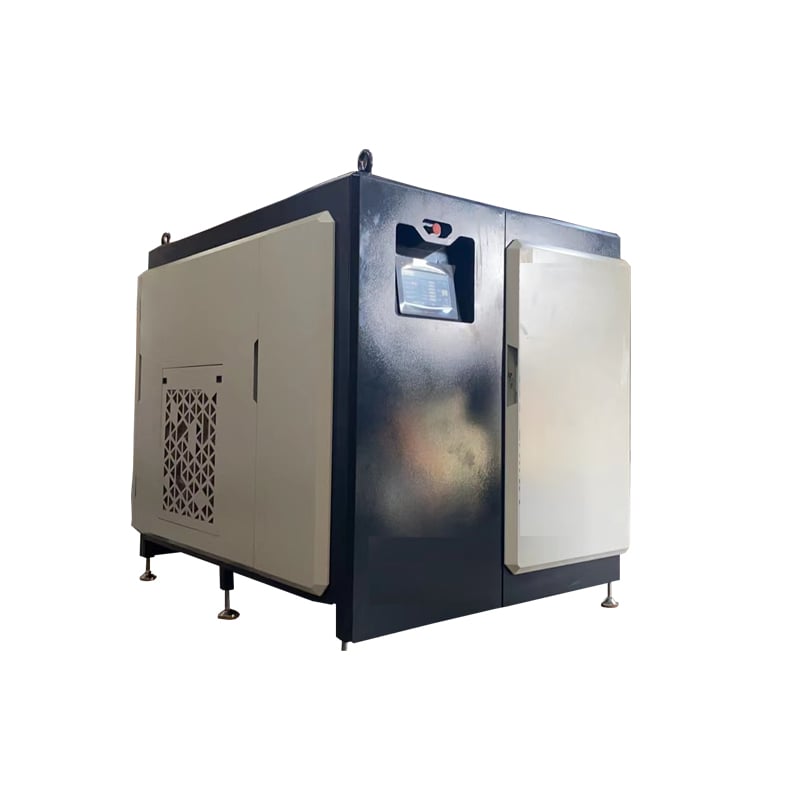
Grain damage during transportation represents one of the most significant operational challenges in agricultural logistics and storage facilities. Every year, countless tons of grain are degraded or rendered unusable due to improper handling methods, mechanical impacts, and inadequate transport solutions. A pneumatic grain conveyor offers a proven alternative that dramatically reduces grain breakage, preserves product quality, and improves overall supply chain efficiency for grain handling equipment operations.
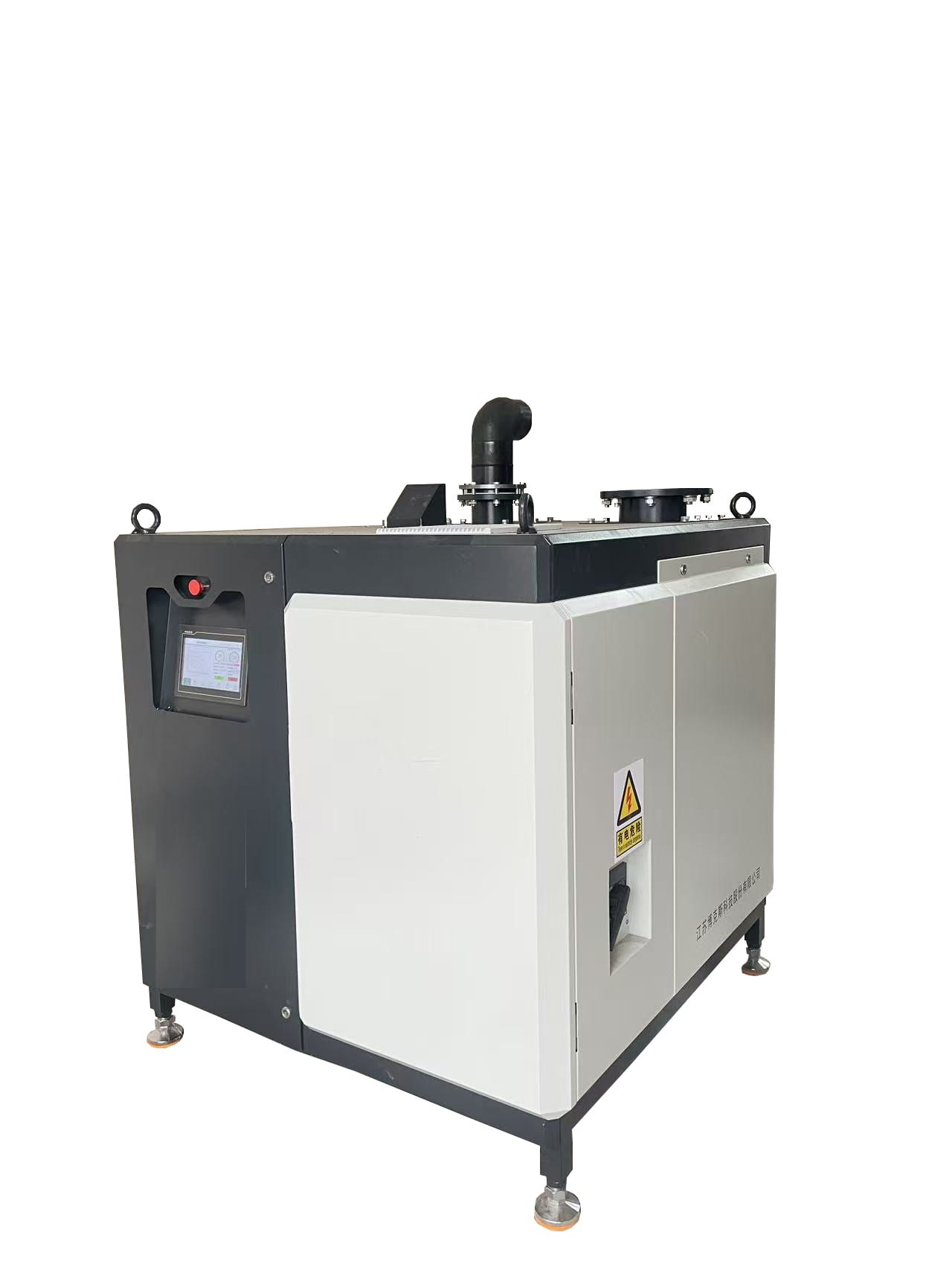
Unlike conventional mechanical conveyor systems that rely on friction, impact, and friction-based movement, pneumatic conveying systems use controlled air flow to transport grain gently through enclosed pipelines. This fundamental difference in transport methodology eliminates the crushing forces, abrasion, and tumbling that characterize traditional bulk grain transport methods. Understanding how pneumatic grain conveyor technology protects grain integrity while enhancing throughput is essential for operators seeking to minimize losses and maximize profitability.
How Pneumatic Conveying Systems Protect Grain Quality
The Mechanism Behind Reduced Grain Damage
Pneumatic conveying systems transport grain by suspending individual kernels within a stream of controlled air, creating a gentle cushioning effect throughout the entire journey. This air-based transport eliminates metal-to-grain contact, reducing mechanical stress that causes cracking and breakage. When grain encounters traditional conveyor belts or auger systems, friction and compression create microfractures that compromise kernel integrity and reduce market value. Pneumatic grain conveyor technology, by contrast, maintains consistent air velocity and pressure to minimize physical stress on each grain particle.
Enclosed Piping and Environmental Protection
The enclosed pipeline design of grain handling equipment using pneumatic conveying systems provides complete protection from external environmental factors. Moisture infiltration, contamination, and exposure to temperature fluctuations are virtually eliminated when grain moves through sealed conduits. This environmental control extends grain shelf life and preserves nutritional content, which is particularly important for premium grain varieties destined for food processing or specialty markets. The pneumatic grain conveyor maintains consistent internal conditions regardless of external weather or storage facility conditions.
Operational Advantages for Bulk Grain Transport
Increased Throughput with Reduced Product Loss
Facilities implementing pneumatic conveying systems typically report throughput increases of twenty to forty percent compared to mechanical alternatives. This improvement stems from the continuous, uninterrupted flow nature of pneumatic grain conveyor systems and the elimination of downtime caused by equipment jams or product bridging. Additionally, the reduction in grain damage translates directly to improved yield percentages and higher-grade finished products. For bulk grain transport operations, maintaining product quality while increasing volume creates compounding financial benefits throughout the supply chain.
Labor Efficiency and Operational Reliability
Pneumatic conveying systems require significantly less manual intervention than mechanical grain handling equipment. Remote monitoring and automated controls reduce the need for constant operator oversight, lowering labor costs and reducing human error. The sealed, enclosed nature of these systems means fewer dust-related safety hazards and lower occupational health risks for facility personnel. System reliability also improves dramatically, as pneumatic grain conveyor technology has fewer moving parts susceptible to wear, jam, or failure compared to traditional belt or auger-based bulk grain transport methods.
Integration and Long-Term Value Considerations
Scalability and Facility Customization
Pneumatic conveying systems adapt easily to existing facility layouts and expansion requirements without extensive structural modifications. Whether designed for horizontal, vertical, or diagonal grain movement, these grain handling equipment solutions integrate seamlessly into new or retrofit installations. The flexibility of pipeline routing means facilities can optimize material flow paths to minimize transportation distance and processing time. This adaptability makes pneumatic grain conveyor technology suitable for small cooperative operations and large industrial complexes alike.
Cost-Benefit Analysis and Return on Investment
Initial capital investment for pneumatic conveying systems typically exceeds mechanical alternatives by fifteen to thirty percent, yet the operational savings and product quality improvements generate measurable returns within three to five years. Reduced grain damage alone can account for five to eight percent product loss prevention, which translates to significant revenue recovery for high-volume operations. Lower maintenance requirements, reduced labor costs, and improved facility safety contribute additional financial benefits. For bulk grain transport operations processing thousands of tons annually, the pneumatic grain conveyor investment becomes economically compelling when measured across the operational lifespan.
FAQ
What types of grain can be transported using pneumatic conveying systems?
Pneumatic conveying systems handle virtually all grain types including wheat, corn, soybeans, barley, oats, and specialty grains. The gentle air-based transport method proves equally effective for seeds, pulses, and other bulk agricultural products. Grain handling equipment using pneumatic grain conveyor technology maintains product integrity regardless of kernel size or fragility, making it ideal for premium and delicate varieties. Facilities can transport different grain types sequentially without requiring equipment modification or specialized cleaning between products.
How does a pneumatic grain conveyor compare to auger or belt conveyors?
Mechanical conveyors like augers and belt systems operate through physical contact and friction, which generate heat and mechanical stress leading to grain breakage. Pneumatic conveying systems eliminate direct contact, reducing damage rates by up to seventy percent depending on grain type and transport distance. While mechanical grain handling equipment requires frequent maintenance and replacement of worn components, pneumatic grain conveyor systems have significantly longer service intervals. Bulk grain transport using pneumatics also provides superior cleanliness and environmental contamination control compared to open mechanical systems.
Are pneumatic conveying systems suitable for all facility sizes?
Pneumatic grain conveyor technology scales effectively from small agricultural operations to massive commercial installations. Smaller facilities may implement portable or semi-permanent systems, while larger operations can design integrated multi-line grain handling equipment networks. The modular nature of pneumatic conveying systems allows staged implementation, starting with critical transport routes before expanding to additional operations. Facilities of any size processing bulk grain transport can achieve quality and efficiency improvements through properly sized and configured pneumatic systems.