
 EN
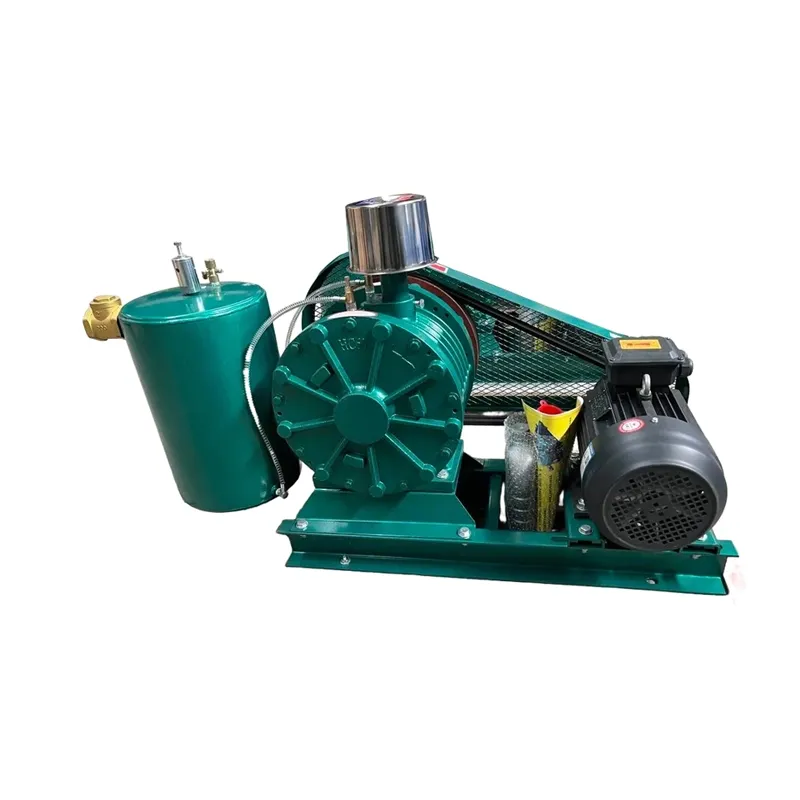
Energy efficiency remains a critical concern for industries operating continuous production cycles. A rotary vane blower represents a strategic solution for reducing operational energy costs while maintaining consistent air delivery. Unlike centrifugal alternatives, this positive displacement technology delivers predictable performance across varying system pressures, directly impacting your bottom line.
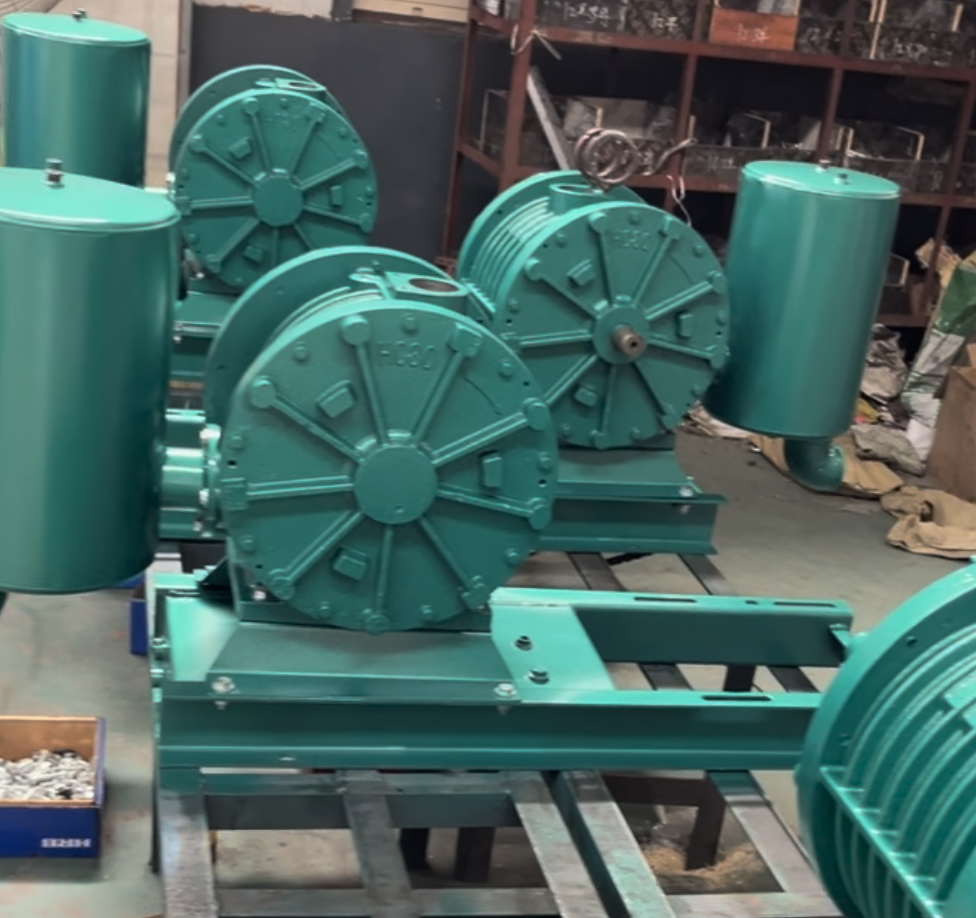
Industrial facilities consuming compressed air continuously face mounting electricity bills without proper equipment selection. Understanding how rotary vane pump efficiency specifications translate to real cost savings enables better procurement decisions. This article explores the mechanics, applications, and financial benefits of implementing positive displacement blower applications in your operation.
Energy Efficiency Through Positive Displacement Technology
How Rotary Vane Blower Design Delivers Sustained Performance
The rotary vane blower operates on a fundamental principle that maximizes efficiency across full operational range. Unlike centrifugal designs that lose effectiveness at variable pressures, the rotating mechanism in a rotary vane blower maintains consistent volumetric displacement regardless of downstream demand. This inherent characteristic eliminates energy waste during fluctuating load conditions common in manufacturing environments.
Rotary vane pump efficiency specifications typically range from 75 to 85 percent during normal continuous operation. This superior efficiency stems from minimal internal leakage and optimized vane geometry that reduces turbulence. When your facility runs 24/7 production cycles, even small efficiency improvements multiply significantly across annual energy consumption, directly lowering your utility costs.
Comparing Energy Profiles Across Industrial Air Compression Systems
Industrial air compression systems vary widely in energy consumption patterns. Reciprocating compressors generate heat loss through intermittent cycling, while centrifugal models struggle under partial-load scenarios. The rotary vane blower positioned between these extremes offers balanced efficiency for continuous duty applications where pressure remains relatively stable.
Your energy costs depend directly on how well your equipment matches your actual operating profile. If your facility maintains steady-state compression demand rather than peak-and-valley cycles, positive displacement blower applications using rotary vane technology will consume significantly less electricity than oversized centrifugal units. This alignment between equipment capability and operational requirement represents the primary cost-reduction mechanism.
Operational Continuity and System Reliability
Minimizing Downtime Through Consistent Performance
Production interruptions cost far more than energy expenses. A rotary vane blower designed for continuous duty maintains delivery pressure and flow rate predictably throughout extended operating periods. This reliability directly translates to uninterrupted manufacturing processes, eliminated restart sequences, and reduced energy spiking from repeated start-stop cycles.
Industrial facilities operating pneumatic systems for material handling, air filtration, or aeration depend on unwavering air supply. The positive displacement blower applications incorporated into modern systems ensure that pressure remains constant without hunting oscillations. Your equipment operates in its optimal efficiency band rather than constantly throttling or modulating, which would otherwise increase energy demand.
Maintenance Impact on Long-Term Energy Costs
Well-maintained rotary vane pump efficiency specifications remain stable across thousands of operating hours. Preventive maintenance intervals aligned with manufacturer guidelines preserve internal clearances and vane conditions that directly enable efficient operation. When maintenance lapses, clearances increase, internal leakage rises, and energy consumption climbs progressively without obvious failure signals.
Establishing disciplined maintenance schedules for your rotary vane blower protects the energy investment inherent in its design. Oil quality, vane wear, and bearing condition all influence whether your equipment achieves published efficiency ratings or gradually deteriorates toward baseline performance. Industries that treat maintenance as an energy-conservation investment consistently report lowest total cost of ownership.
Financial Impact and Implementation Strategy
Calculating Energy Savings from Equipment Selection
Energy cost reduction from positive displacement blower applications emerges through three mechanisms: higher base efficiency, elimination of modulation losses, and reduced thermal stress during continuous operation. A facility consuming 500 cubic feet per minute at steady pressure can expect 15 to 25 percent energy reductions when replacing an inefficient centrifugal system with properly sized rotary vane technology. This translates directly to thousands of dollars in annual savings.
Calculating your specific savings requires understanding current energy consumption, actual operating pressure profile, and duty cycle characteristics. Most industrial air compression systems operate far below peak capacity due to oversizing during initial installation. A rotary vane blower sized precisely for your continuous demand eliminates the penalty of running excessive margin, recovering wasted electricity immediately.
Return on Investment Timeline
Equipment replacement decisions hinge on payback period analysis. Modern rotary vane pump efficiency specifications ensure that energy savings recover equipment costs within three to five years for typical continuous-duty applications. Beyond payback, the facility realizes ongoing annual savings extending through the blower's operational lifespan of ten to fifteen years or longer.
Industries in sectors like wastewater treatment, food processing, or pharmaceutical manufacturing operate systems virtually continuously, maximizing the benefit of superior rotary vane blower efficiency. Your specific payback timeline depends on local electricity rates, current equipment condition, and operating hours. Facilities running intensive continuous operations see fastest returns, sometimes achieving payback within two years.
FAQ
Will a rotary vane blower actually reduce my energy bills in practice?
Yes, when properly sized and maintained. A rotary vane blower delivers consistent energy reductions of 15 to 25 percent compared to inefficient alternatives in continuous duty service. Your actual savings depend on replacing oversized or degraded equipment with a positive displacement blower application matched precisely to your operational demand. Facilities with steady-state pressure requirements see the highest returns because the equipment never throttles or hunts inefficiently.
How do rotary vane pump efficiency specifications compare to other compression technologies?
Rotary vane technology achieves 75 to 85 percent overall efficiency during continuous operation, positioning it favorably against centrifugal models under partial load and reciprocating designs under steady conditions. Industrial air compression systems vary, but the rotary vane approach excels when your process demands constant pressure and flow without peak cycling. This consistency allows the equipment to operate in its optimal efficiency zone continuously rather than drifting toward inefficient margins.
What industrial applications benefit most from rotary vane blower technology?
Positive displacement blower applications shine in wastewater aeration, pneumatic conveying, air knife systems, and continuous material handling processes. Industries where air demand remains relatively stable throughout operating shifts achieve maximum energy savings with rotary vane technology. Operations with highly variable demand benefit less because the equipment cannot modulate as efficiently as some alternatives. Assess your specific pressure and flow profile to determine if a rotary vane blower aligns with your operational characteristics.