
 EN
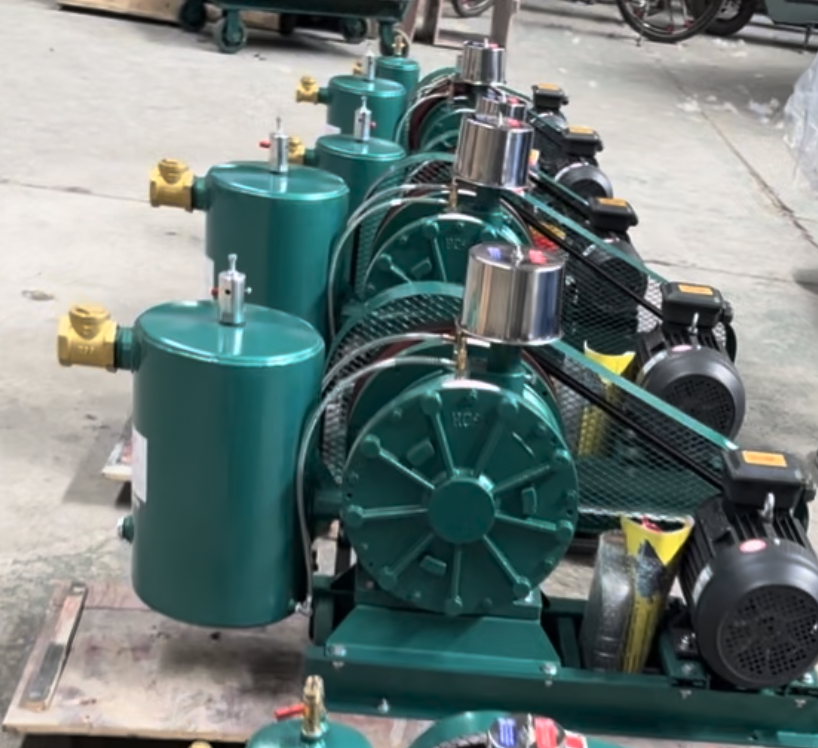
A rotary vane blower is a critical component in industrial systems, from wastewater treatment to pneumatic conveying. These positive displacement blower applications demand reliable performance and consistent operation to avoid costly shutdowns. Understanding proper maintenance practices directly impacts equipment longevity, operational efficiency, and overall system uptime. Industrial facilities that prioritize rotary vane blower maintenance and troubleshooting protocols experience significantly fewer unexpected failures and extended equipment lifecycles.
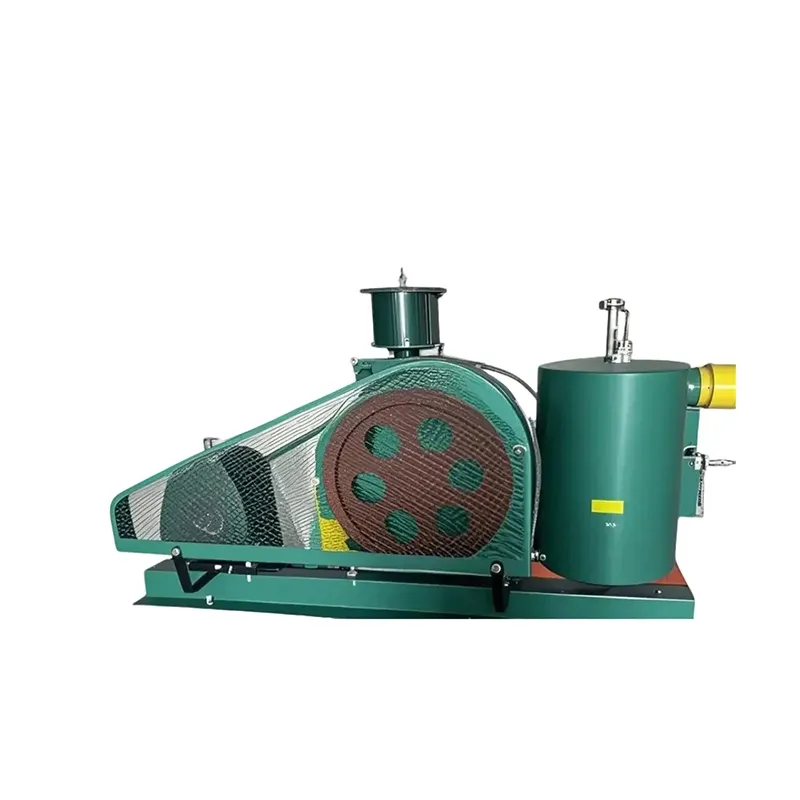
When comparing rotary vane blower vs centrifugal blower comparison considerations, maintenance requirements differ substantially. Rotary vane designs require more frequent inspection intervals due to their mechanical complexity and close tolerances. Implementing preventive maintenance strategies protects your investment, optimizes performance, and ensures your facility maintains production schedules without unexpected equipment failures.
Regular Inspection and Fluid Management
Oil Level and Quality Monitoring
Maintaining proper oil levels and quality is fundamental to rotary vane blower maintenance and troubleshooting success. Oil serves as both lubricant and coolant, protecting internal vanes and reducing friction during operation. Check oil levels weekly during high-utilization periods, ensuring the level stays within manufacturer specifications. Over-filled reservoirs cause excessive pressure and premature seal wear, while under-filled conditions lead to inadequate lubrication and vane deterioration. Replace oil according to your equipment manual, typically every 500 to 2,000 operating hours depending on environmental conditions and positive displacement blower applications.
Air Filter Replacement Schedule
Air filtration protects rotary vane blower internal components from particulate contamination. Dirty filters reduce intake efficiency and force the blower to work harder, generating excessive heat and accelerating wear. Inspect filters monthly and replace them when pressure drop indicators trigger alerts. In dusty industrial environments, weekly inspections may be necessary. Clean filter housing compartments during replacement to prevent debris from entering the system, preserving the performance of your positive displacement blower applications across all operational scenarios.
Seal and Bearing Care Protocols
Seal Integrity Assessment
Seals prevent fluid leakage and maintain pressure differentials essential for rotary vane blower operation. Monitor seal areas for visible oil weeping or drips, which indicate deterioration requiring immediate attention. Minor weeping may be addressed through tightening procedures, but persistent leaks necessitate seal replacement. When comparing rotary vane blower vs centrifugal blower comparison frameworks, rotary designs require more frequent seal inspection due to higher pressure cycling. Replace seals proactively during scheduled maintenance windows rather than waiting for failures that cause unplanned downtime and secondary damage.
Bearing Lubrication and Replacement
Bearings support rotary vane blower shafts and require consistent lubrication to minimize friction and heat generation. Apply bearing grease according to manufacturer specifications, typically during quarterly maintenance intervals. Monitor bearing temperature using infrared thermometers; temperatures exceeding normal operating ranges indicate inadequate lubrication or internal wear. Replace bearings if you detect grinding sounds, excessive vibration, or elevated temperatures despite proper greasing. Timely bearing replacement prevents catastrophic failures that damage rotary vane blower maintenance and troubleshooting protocols and compromise downstream system reliability.
Performance Monitoring and Preventive Diagnostics
Vibration and Noise Analysis
Unusual vibration or noise from your rotary vane blower signals potential internal problems requiring diagnostic attention. Excessive vibration indicates misalignment, worn bearings, or unbalanced components affecting performance. Grinding noises suggest internal contact between vanes and housing, while knocking sounds may indicate damaged valve assemblies. Establish baseline vibration readings during normal operation and compare monthly measurements to detect trends. Early detection through vibration monitoring prevents catastrophic failures and extends equipment life across positive displacement blower applications in demanding industrial environments.
Pressure and Temperature Tracking
Operating pressure and temperature provide critical performance indicators for rotary vane blower maintenance and troubleshooting activities. Install pressure gauges and temperature sensors at inlet and outlet points to capture real-time data. Abnormal pressure variations indicate internal leakage, valve problems, or filter blockages requiring investigation. Rising discharge temperatures without corresponding pressure increases suggest internal friction from worn components or inadequate oil circulation. Document pressure and temperature readings weekly and analyze trends to anticipate maintenance needs before performance degradation impacts your facility's operations and productivity.
FAQ
How often should rotary vane blower maintenance occur?
Maintenance frequency depends on operational hours and environmental conditions. Most industrial facilities implement weekly visual inspections, monthly detailed reviews, and quarterly comprehensive service intervals. High-utilization environments with particulate-heavy air may require more frequent attention. Consult your equipment manual and adjust schedules based on performance monitoring data and positive displacement blower applications specific to your facility.
What are common signs of rotary vane blower maintenance issues?
Warning signs include oil leakage, unusual vibration or grinding noises, rising discharge temperatures, declining pressure output, and increased power consumption. Air filter indicators triggering frequently suggest environmental contamination or seal leakage. When comparing rotary vane blower vs centrifugal blower comparison maintenance needs, rotary designs show more pronounced performance changes as components wear. Address these symptoms promptly through rotary vane blower maintenance and troubleshooting protocols to prevent cascading failures.
Can proper maintenance reduce operating costs?
Yes, preventive maintenance substantially reduces total cost of ownership. Regular filter replacement and oil changes maintain efficiency, lowering power consumption. Timely seal and bearing replacement prevents catastrophic failures requiring complete equipment replacement. Facilities practicing diligent rotary vane blower maintenance and troubleshooting experience 30-50% fewer emergency repairs and extended equipment lifespans. Scheduled maintenance investments pay dividends through improved reliability and reduced unplanned downtime across positive displacement blower applications throughout industrial operations.