
 EN
EN
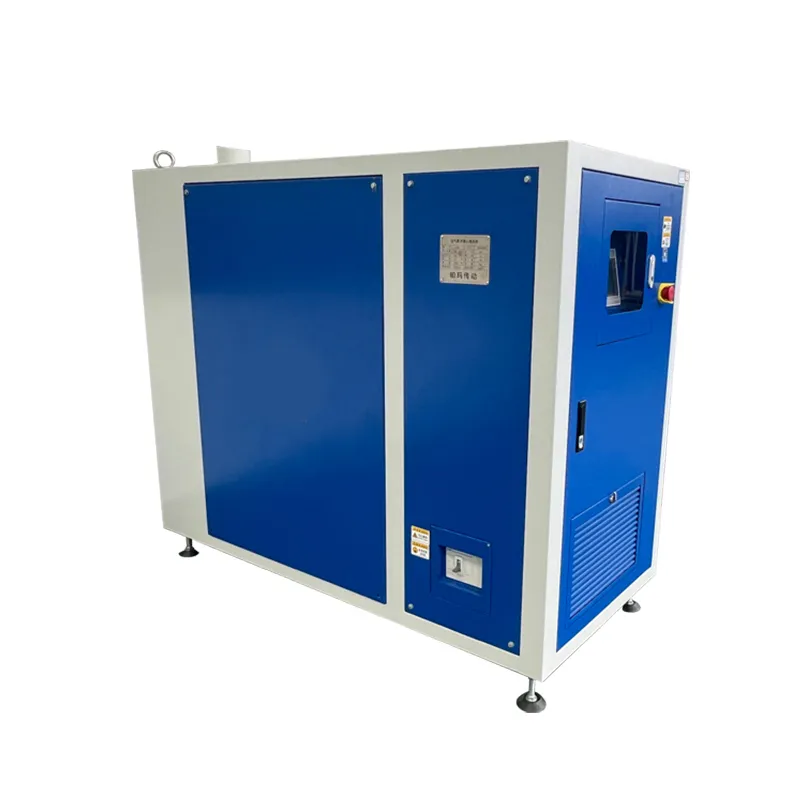
An aeration air blower serves as the heart of efficient oxygen transfer in aquatic environments. Whether managing wastewater treatment facilities, industrial ponds, or aquaculture operations, the choice of blower technology directly impacts operational expenses and environmental outcomes. Modern aeration air blower designs deliver compressed air into water columns, creating the turbulence needed for oxygen dissolution while consuming significantly less energy than older mechanical systems. Understanding how an aeration air blower reduces energy consumption requires examining both the technology itself and the operational context in which it operates.
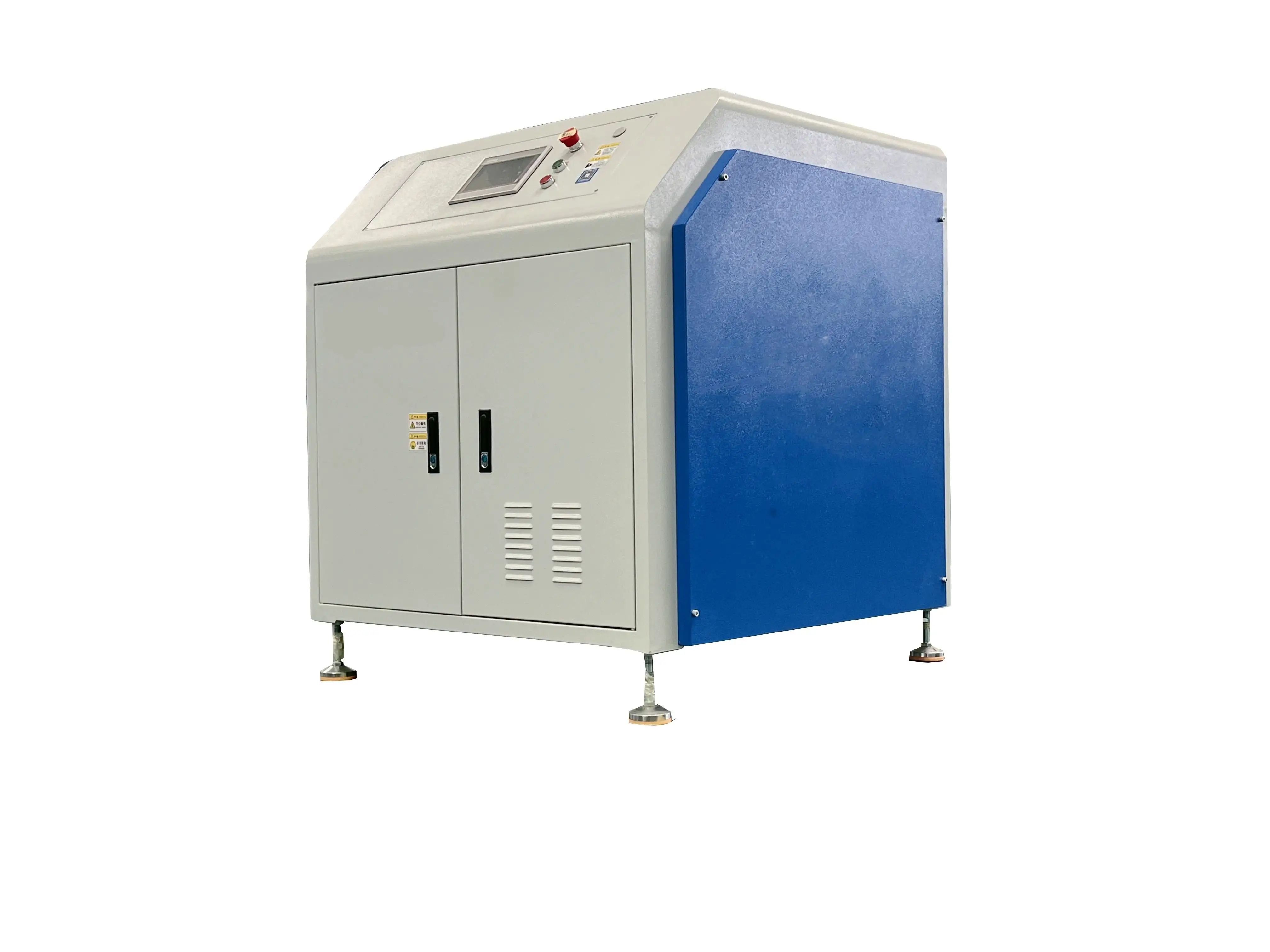
Energy efficiency in aeration represents one of the largest controllable cost centers in wastewater treatment and aquatic management. An aeration air blower can reduce energy costs by up to 30 to 40 percent compared to conventional diffusion methods, making it a strategic investment for facility managers facing rising utility rates. The financial impact extends beyond immediate electricity savings, encompassing reduced maintenance demands, longer equipment lifespan, and improved regulatory compliance through consistent oxygen delivery.
How Aeration Air Blower Technology Reduces Energy Consumption
Positive Displacement Efficiency
An aeration air blower operates using positive displacement principles, which compress air at consistent volumetric flow rates regardless of downstream pressure variations. This design contrasts sharply with centrifugal alternatives, which lose efficiency under variable pressure conditions common in pond aeration system applications. The mechanical precision of positive displacement blowers ensures minimal energy wasted on unstable air streams, delivering steady oxygen transfer throughout the day and night cycles.
Variable Frequency Drive Integration
Modern aeration air blower units integrate variable frequency drives (VFDs) that adjust motor speed based on real-time dissolved oxygen demand. Rather than running at constant full capacity, the pond aeration system modulates power consumption according to actual water conditions, resulting in substantial energy savings during periods of lower biological activity. This adaptive approach transforms aeration from a fixed-cost operation into a demand-responsive system that scales with facility needs.
Aquatic Oxygen Diffuser Technology and Energy Optimization
Advanced Diffuser Design Minimization
The relationship between aeration air blower performance and aquatic oxygen diffuser technology creates the foundation for true energy reduction. Fine-bubble diffusers, when paired with properly sized air blower units, achieve oxygen transfer efficiency rates exceeding 85 percent compared to 60 percent for coarse-bubble alternatives. This means the same oxygen delivery goal requires substantially less compressed air volume, directly translating to lower electrical consumption from your aeration air blower investment.
Fine-Bubble Diffuser Advantages
Aquatic oxygen diffuser technology has evolved dramatically in recent years, introducing membranes and porous stone designs that maximize air-water contact time. When an aeration air blower supplies compressed air to these advanced diffusers, the smaller bubbles rise more slowly through water columns, allowing greater oxygen absorption before reaching the surface. A pond aeration system utilizing modern aquatic oxygen diffuser technology paired with an efficient aeration air blower can achieve target dissolved oxygen levels with 25 to 35 percent less air volume than systems using conventional methods.
Air Blower Maintenance and Troubleshooting for Peak Performance
Preventive Maintenance Impact on Energy Efficiency
Proper air blower maintenance and troubleshooting directly determines whether energy savings materialize as planned. Neglected maintenance causes fouling, vibration, and bearing wear that gradually increase power consumption while reducing air output. A well-maintained aeration air blower operates at design specifications, maximizing the oxygen transfer efficiency your pond aeration system was engineered to deliver. Regular filter replacement, oil level checks, and bearing inspection prevent the efficiency degradation that transforms efficient equipment into energy-intensive underperformers.
Common Efficiency Issues and Solutions
Air blower maintenance and troubleshooting should address the most common energy waste pathways, including inlet filter blockage, discharge line pressure creep, and bearing misalignment. When an aeration air blower inlet filter becomes clogged, motor current draw increases significantly as the unit works harder to pull air through the obstruction. Timely filter maintenance restores baseline energy consumption and prevents the compounding damage that reduces overall system lifespan. Similarly, discharge line pressure buildup from sediment or debris accumulation forces the aeration air blower to consume additional energy, making inspection and cleaning essential maintenance tasks for long-term cost control.
Practical Implementation and Cost Recovery
Sizing Considerations for Energy Optimization
Selecting the right aeration air blower capacity requires matching equipment to actual dissolved oxygen demands rather than oversizing for perceived future expansion. An undersized unit strains the system and consumes proportionally more energy per unit of oxygen delivered, while an oversized aeration air blower idles frequently and wastes energy producing unnecessary pressure. Working with engineering specialists to analyze your facility's specific pond aeration system requirements ensures your aeration air blower operates in its optimal efficiency zone, typically between 70 and 90 percent of design capacity.
Return on Investment Timeline
Most facilities upgrading to modern aeration air blower technology recover their capital investment within three to five years through energy savings alone. Additional benefits including reduced air blower maintenance and troubleshooting calls, extended maintenance intervals, and improved discharge quality extend the financial advantage well beyond the payback period. For large wastewater treatment plants or industrial aquaculture operations consuming 100,000 to 500,000 kilowatt-hours annually in aeration, energy cost reductions of 30 percent translate to annual savings of $3,000 to $15,000 or more depending on local electricity rates.
FAQ
What specific energy savings percentage can I expect from upgrading to a new aeration air blower?
Energy savings from upgrading an aeration air blower typically range from 25 to 40 percent compared to older equipment, depending on the current system age, condition, and whether you implement variable frequency drive controls. A 10-year-old conventional blower upgraded to modern positive displacement technology with VFD integration often achieves 35 percent energy reduction. Your specific savings depend on your facility's pond aeration system design, dissolved oxygen demand patterns, and current operating practices. Facility audits can project expected savings based on your unique operational profile.
How often should I perform air blower maintenance and troubleshooting to preserve energy efficiency?
Air blower maintenance and troubleshooting should follow a structured schedule including weekly visual inspections, monthly filter changes, quarterly oil analysis, and semi-annual bearing and alignment checks. More frequent maintenance may be necessary if your facility operates in dusty environments or if your aeration air blower experiences higher-than-normal run times. Preventive maintenance prevents the gradual efficiency degradation that compromises energy savings. Neglecting maintenance schedules often negates 50 percent or more of potential energy benefits within 12 to 18 months of installation.
Can aquatic oxygen diffuser technology work effectively with older aeration air blower equipment?
While newer aquatic oxygen diffuser technology can function with older aeration air blower equipment, the energy efficiency benefits diminish significantly when paired with outdated compressors. Older blowers lack the precise pressure control and low-noise characteristics that modern diffusers require for optimal performance. The best results occur when upgrading both the aeration air blower and aquatic oxygen diffuser technology simultaneously, allowing the pond aeration system to operate as an integrated, optimized assembly designed for contemporary efficiency standards. Retrofitting only the diffuser without upgrading the aeration air blower typically yields 10 to 15 percent energy savings rather than the potential 30 to 40 percent improvement possible with full system modernization.