
 EN
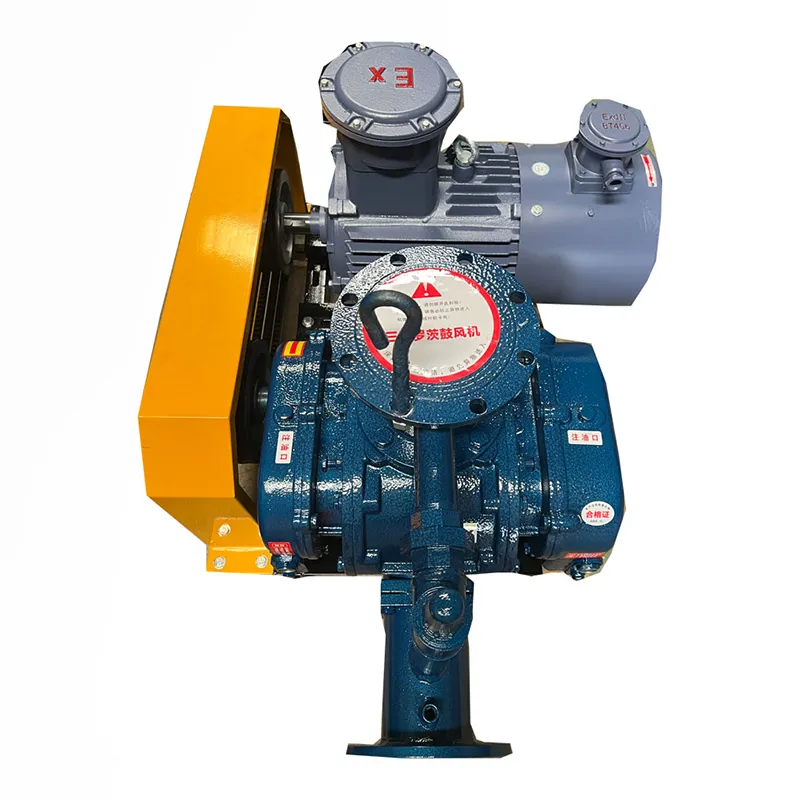
Fish farming operations depend critically on maintaining optimal water quality, and oxygen availability stands as one of the most essential parameters for fish survival and growth. An aquaculture roots blower has emerged as a proven solution to address oxygen deficiency in aquaculture systems. These specialized blowers deliver consistent, reliable air supply to ponds and tanks, directly supporting higher fish densities and accelerated growth rates across commercial farming operations.
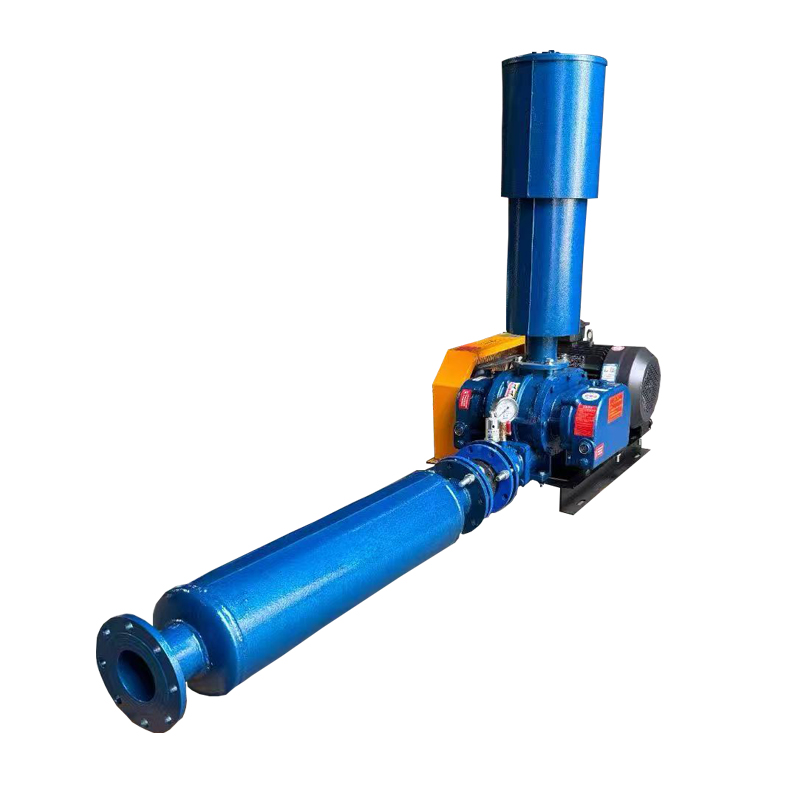
The relationship between oxygen availability and fish productivity is direct and measurable. Insufficient dissolved oxygen limits feeding behavior, slows metabolic processes, and increases stress-related disease susceptibility in farmed fish populations. Positive displacement blower specifications enable these systems to operate consistently across varying water conditions, making pond aeration equipment for fish farming a non-negotiable investment for producers seeking competitive yields. Modern oxygen supply system aquaculture technology transforms farming economics by reducing mortality rates and enabling higher stocking densities without compromising water quality.
How Roots Blowers Improve Fish Farming Oxygenation
Oxygen Transfer Efficiency and Fish Health
Roots blowers function through positive displacement principles, compressing air and pushing it through outlet ports at consistent pressure and volume rates. This mechanical reliability ensures steady oxygen delivery regardless of external temperature or humidity fluctuations, which proves essential during critical periods like larval rearing or disease outbreaks. The oxygen supply system aquaculture operators deploy using positive displacement blower specifications achieves superior gas transfer efficiency compared to traditional aerators. Fish respond to improved oxygen levels through enhanced appetite, faster growth conversion rates, and reduced behavioral stress indicators within 48 to 72 hours of system activation.
Scalability and Production Flexibility
Aquaculture roots blower systems scale efficiently from small backyard operations to large-scale commercial farms. Farmers can expand production capacity by adding multiple blower units or increasing discharge pressure without replacing existing infrastructure. Pond aeration equipment for fish farming operates with minimal maintenance requirements when properly sized according to water volume, fish biomass, and target dissolved oxygen levels. This scalability advantage allows producers to adjust production strategies seasonally or respond to market demand without substantial capital reinvestment.
Positive Displacement Blower Specifications for Aquaculture Success
Technical Performance Parameters
Effective positive displacement blower specifications for fish farming typically include displacement volumes ranging from 40 to 500 cubic meters per hour, with pressure capabilities between 0.5 to 1.5 bar depending on system depth and pond configuration. Electric motor sizing generally correlates to required displacement volume, with modern units offering variable frequency drives that optimize energy consumption during off-peak production periods. The reliability of pond aeration equipment for fish farming hinges on selecting blower designs engineered specifically for aquaculture applications, where continuous duty cycles and exposure to humid environments demand corrosion-resistant materials and sealed bearing assemblies.
Energy Efficiency and Operating Cost Impact
Energy costs represent the largest operational expense in aquaculture roots blower systems, making efficiency selection critical for long-term profitability. Modern positive displacement blower specifications incorporate advanced impeller designs and optimized inlet manifolds that reduce energy consumption per cubic meter of air delivered. Comparing oxygen supply system aquaculture equipment across vendors requires analyzing kilowatt-hour requirements at target operating pressure, since similarly-sized units may exhibit 15 to 20 percent efficiency variations. Installing system monitoring technology enables farmers to track actual aeration performance against designed specifications, identifying maintenance needs before performance degradation impacts fish health or production metrics.
Practical Implementation and Pond Aeration Equipment Selection
System Design and Installation Considerations
Aquaculture roots blower system design requires careful analysis of pond volume, target fish stocking density, and water temperature profiles across production seasons. The oxygen supply system aquaculture professionals recommend must accommodate peak oxygen demand during warm months when bacterial decomposition rates accelerate and fish metabolism peaks simultaneously. Pond aeration equipment for fish farming installation typically involves mounting the positive displacement blower at a dry location above maximum water level to prevent backflow, with diffuser placement distributed across pond depth to maximize gas transfer efficiency. Proper intake air filtration protects blower internals from contamination while secondary silencing equipment reduces operational noise that may stress fish or disturb surrounding facilities.
Maintenance Protocols and System Longevity
Scheduled maintenance of aquaculture roots blower units extends operational lifespan well beyond seven years when performed according to manufacturer recommendations. Oil changes, bearing inspections, and impeller clearance verification prevent unexpected failures during critical production periods. The positive displacement blower specifications documented in equipment manuals provide maintenance intervals based on actual operating hours, helping farmers budget service costs accurately into annual production expenses. Modern oxygen supply system aquaculture setups incorporate redundancy through dual blower configurations, ensuring continuous aeration capability when primary units undergo planned maintenance or unexpected repairs.
FAQ
What dissolved oxygen levels should fish farming operations maintain using pond aeration equipment?
Most commercial fish species require dissolved oxygen levels above 5.0 mg/L for optimal health and growth, though some high-value species demand 6.0 to 7.0 mg/L consistently. Properly specified positive displacement blower systems maintain these levels even during warm months when natural reaeration becomes insufficient. Aquaculture roots blower monitoring equipment allows farmers to establish oxygen set-points that trigger automatic aeration cycles, preventing both hypoxic conditions and wasteful over-aeration.
How does an aquaculture roots blower compare to alternative aeration methods for fish farming?
Paddle wheels and diffuser systems distribute aeration inconsistently across pond volumes, while positive displacement blower specifications deliver reliable oxygen transfer at any depth or water condition. Roots blowers maintain consistent performance across seasonal temperature variations, whereas alternative aeration equipment often experiences efficiency drops during cold weather. The oxygen supply system aquaculture operations achieve through roots blower technology supports higher stocking densities than traditional methods while consuming less energy per unit of oxygen transferred into water.
What budget should aquaculture operations allocate for installing a new pond aeration equipment system?
Initial capital investment for aquaculture roots blower systems ranges from $3,000 to $25,000 depending on required displacement volume and pressure specifications, with larger commercial operations investing up to $50,000 for redundant systems across multiple ponds. Annual operating costs for positive displacement blower specifications typically represent 8 to 12 percent of total production expenses for medium-scale farms. Including maintenance, repairs, and energy consumption, farmers can achieve return on investment within 18 to 36 months through improved fish survival rates and accelerated growth metrics that increase harvestable yield per production cycle.