
 EN
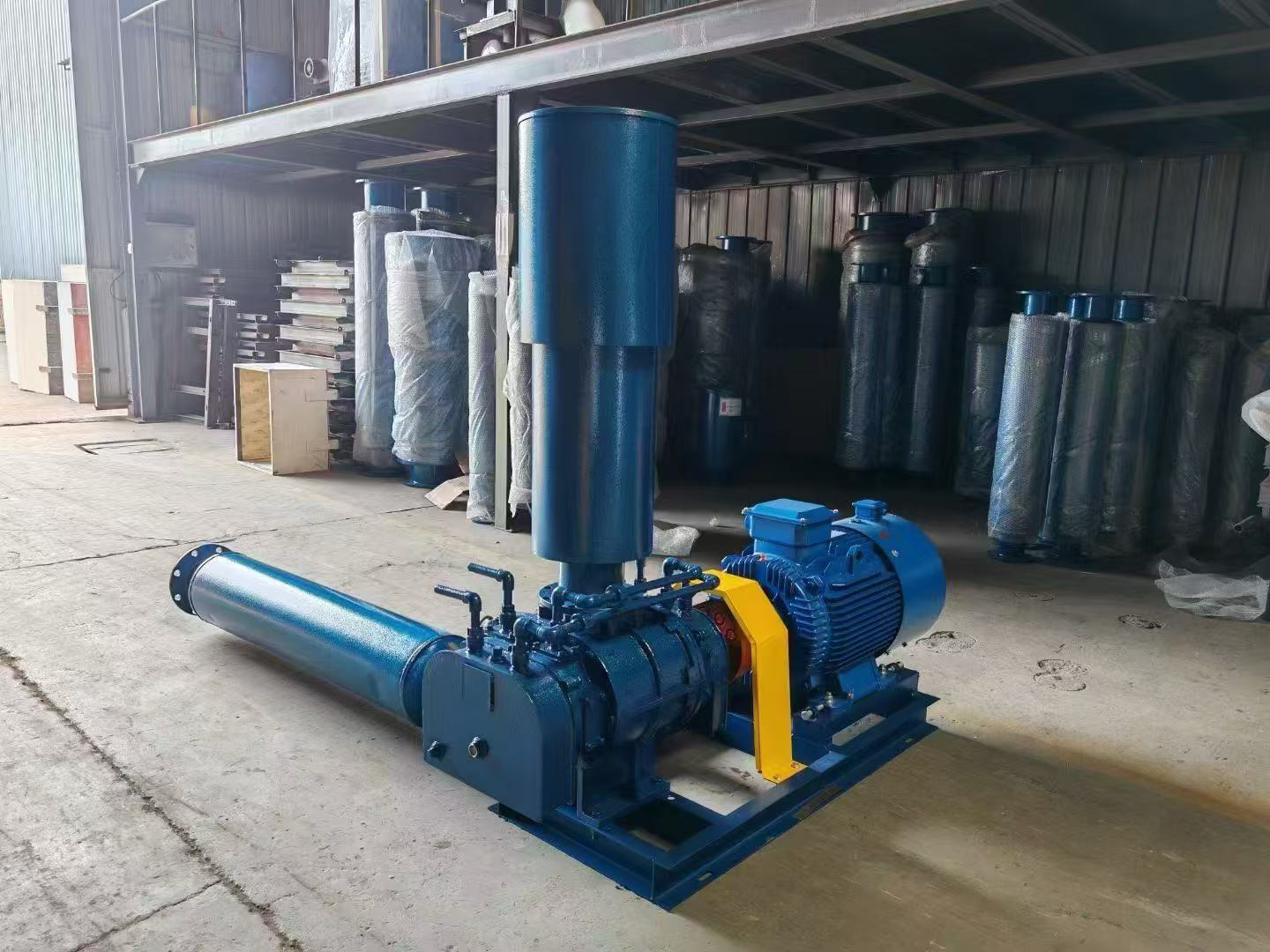
Sustainable aquaculture operations depend critically on maintaining optimal water quality, and oxygen delivery stands as one of the most essential factors for fish health and productivity. An aquaculture roots blower provides reliable, efficient aeration that meets the demanding oxygen requirements of modern fish farming systems. By delivering consistent air volumes at precise pressure levels, this equipment ensures that dissolved oxygen remains within optimal ranges, directly supporting the survival and growth rates of farmed fish populations.
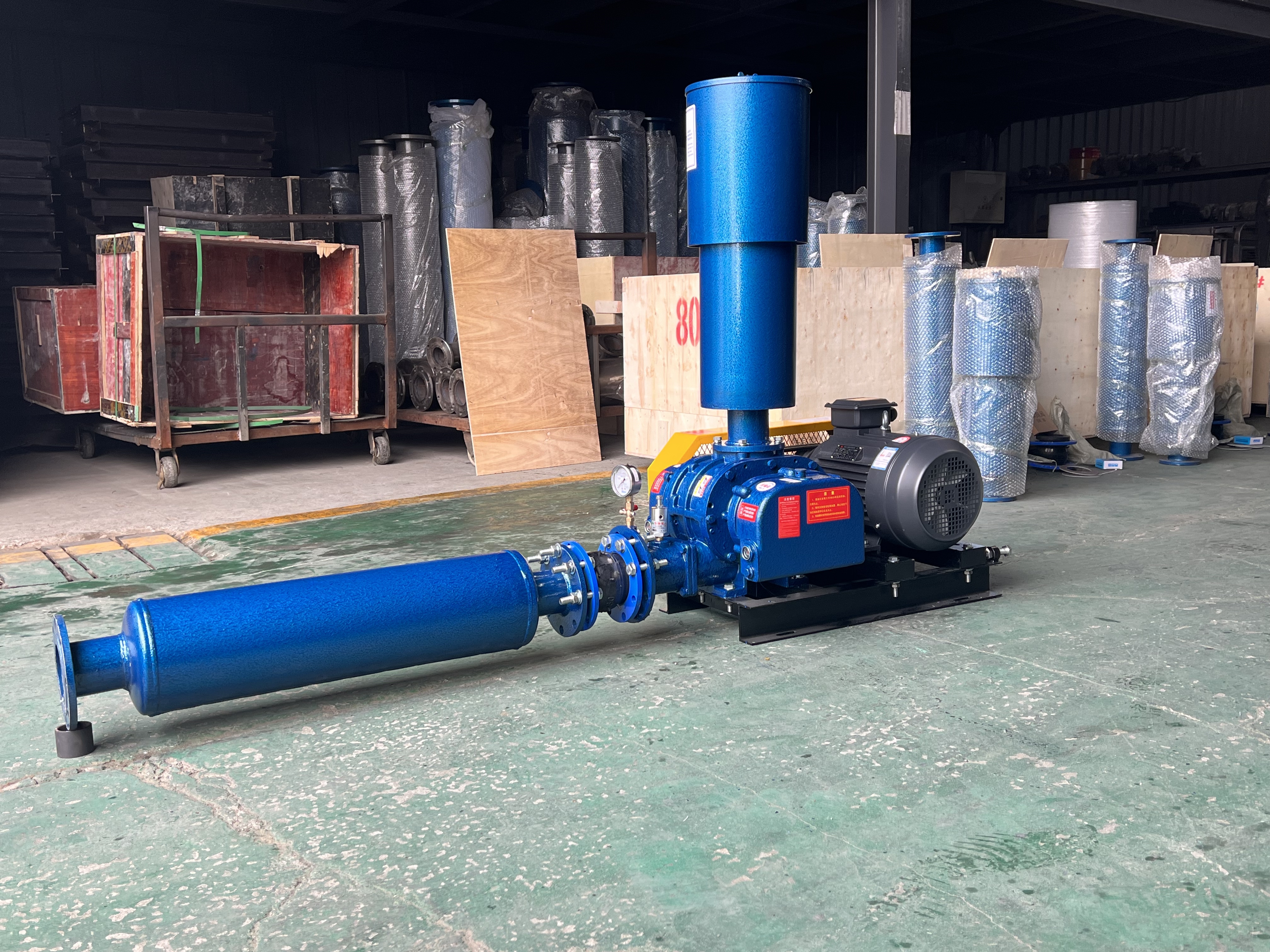
The integration of an aquaculture air supply system into farming operations transforms water management practices by automating oxygen distribution across multiple ponds or tank systems. Rather than relying on unpredictable natural aeration, professional aquaculture facilities employ advanced pond aeration equipment to maintain stable dissolved oxygen concentrations, reduce stress-related mortality, and minimize disease outbreak risks. This proactive approach to water quality management has become the standard in sustainable aquaculture worldwide.
Why Oxygen Management Defines Sustainable Aquaculture
The Biological Necessity for Consistent Oxygenation
Fish require dissolved oxygen to survive, and the metabolic demands of densely stocked aquaculture systems far exceed natural diffusion rates. A fish tank oxygen pump must operate continuously to prevent hypoxic stress that weakens immune systems and triggers disease. Inadequate oxygen leads to behavioral changes, reduced feed conversion efficiency, and ultimately, mass mortality events that devastate production economics and environmental standing.
Sustainability in aquaculture extends beyond operational efficiency to include environmental responsibility and animal welfare. Proper oxygenation reduces the likelihood of anaerobic conditions that generate toxic hydrogen sulfide and ammonia, protecting both the farming operation and surrounding waterways. The aquaculture air supply system serves as the backbone of this commitment by ensuring predictable, scientifically sound oxygen delivery tailored to species-specific and seasonal requirements.
Production Economics and Market Positioning
Farms that implement advanced pond aeration equipment experience measurably higher survival rates and faster growth cycles, directly improving profit margins. Fish tank oxygen pump systems reduce feed waste and disease medication costs by maintaining ideal water conditions that support vigorous immune function. This operational excellence translates to competitive market positioning, as buyers increasingly prefer products from certified sustainable operations that demonstrate environmental stewardship through documented water quality management.
Core Functions and Operational Mechanisms
Pressure-Driven Air Delivery and Design Principles
The aquaculture roots blower operates using positive displacement technology that draws air through an intake, compresses it internally, and delivers consistent volumes regardless of downstream pressure variations. This reliability makes roots blower designs ideal for aquaculture facilities where supply interruptions threaten entire stock populations. Unlike centrifugal designs that lose efficiency under variable load conditions, roots blower systems maintain performance across shifting oxygen demands throughout the day and across seasonal changes.
Pond aeration equipment specifications must account for pond depth, surface area, target fish species, and stocking density to determine required airflow and pressure parameters. The aquaculture air supply system integrates piping networks, diffusers, control valving, and often includes backup units to prevent single-point failures. Professional system design considers both peak demand periods and low-demand phases, ensuring energy efficiency while guaranteeing oxygen availability during critical biological windows.
Integration with Modern Aquaculture Infrastructure
Contemporary aquaculture facilities increasingly couple a fish tank oxygen pump with automated monitoring systems that measure dissolved oxygen levels and adjust blower operation in real time. This integration maximizes efficiency by reducing unnecessary runtime while guaranteeing oxygen supply never falls below critical thresholds. Sensors connected to central control systems provide operators with immediate visibility into water quality trends, enabling proactive adjustments rather than reactive crisis management.
The aquaculture roots blower connects to diffuser networks that distribute compressed air as fine bubbles throughout water columns, maximizing oxygen transfer efficiency. Different diffuser designs—from ceramic stones to tube-style diffusers—suit different pond configurations and depth profiles. Operators select pond aeration equipment components that optimize oxygen transfer rates specific to their facility's unique geometry and species requirements.
Sustainability Benefits and Operational Advantages
Environmental Stewardship Through Controlled Oxygenation
Sustainable aquaculture operations minimize environmental footprint by controlling waste discharge and preventing sediment degradation that occurs under anaerobic conditions. An advanced aquaculture air supply system maintains aerobic decomposition in pond substrates, preventing accumulation of toxic compounds that leach into surrounding groundwater. This proactive environmental management demonstrates commitment to long-term water resource protection and community relations essential for farming license renewals and market access.
The aquaculture roots blower enables waste management through controlled oxygenation that accelerates decomposition of organic matter, reducing overall sediment buildup and maintenance frequency. By maintaining healthier pond environments, fish tank oxygen pump systems indirectly support beneficial microbial communities that compete with disease-causing pathogens. This biological balance reduces dependency on antibiotics and chemical treatments, supporting industry-wide movement toward responsible antimicrobial stewardship.
Operational Resilience and Economic Stability
Facilities equipped with reliable pond aeration equipment experience fewer emergency events and unexpected operational disruptions compared to those relying on passive aeration methods. The consistency of an aquaculture roots blower eliminates seasonal oxygen deficits that plague facilities dependent on wind-driven surface aeration or temperature-dependent natural diffusion. This predictability enables farmers to focus capital investments on growth and expansion rather than crisis management and mortality recovery.
The long-term cost structure of aquaculture operations incorporating advanced fish tank oxygen pump systems demonstrates superior return on investment compared to passive methods when calculating avoided mortality losses, reduced disease treatment expenses, and improved market premium positioning. Energy costs for mechanical aeration represent a manageable and predictable operating expense that professional farmers budget systematically. When weighed against the financial devastation of disease outbreaks, stock losses, or environmental violations, the aquaculture air supply system investment becomes economically compelling from both short and long-term perspectives.
FAQ
What makes a roots blower design specifically suited for aquaculture applications?
Roots blower technology provides constant displacement positive airflow regardless of downstream pressure, making it ideal for aquaculture where oxygen demands fluctuate throughout the day and seasonally. The robust internal design tolerates continuous operation that characterizes 24/7 aquaculture facilities, and the predictable pressure-flow relationship simplifies system design and control. Additionally, roots blower equipment operates efficiently at partial loads, reducing energy consumption during periods of lower biological oxygen demand while maintaining reliability when needs peak.
How does pond aeration equipment reduce disease risk in fish populations?
Adequate oxygen delivery through fish tank oxygen pump systems strengthens fish immune function, enabling natural resistance to pathogenic bacteria and parasites that exploit stressed, hypoxic populations. Proper aeration also prevents sediment anoxia that generates ammonia and hydrogen sulfide—toxic compounds that damage fish gill tissues and increase disease susceptibility. By maintaining stable, optimal water chemistry through an aquaculture roots blower system, farmers create environmental conditions where healthy immune responses outcompete disease establishment and transmission.
Can an aquaculture air supply system operate cost-effectively at smaller farm scales?
Modern pond aeration equipment has become increasingly accessible across farm sizes, with scalable designs and control systems that match operational complexity to facility investment capacity. Small-scale operations benefit from simplified aquaculture roots blower configurations that deliver essential oxygenation without unnecessary complexity, while larger facilities employ multi-unit systems with redundancy and sophisticated automation. The economic case for any aquaculture air supply system depends on comparing equipment and energy costs against avoided losses from inadequate oxygenation, a calculation that typically favors investment even at modest production scales.