
 EN
EN
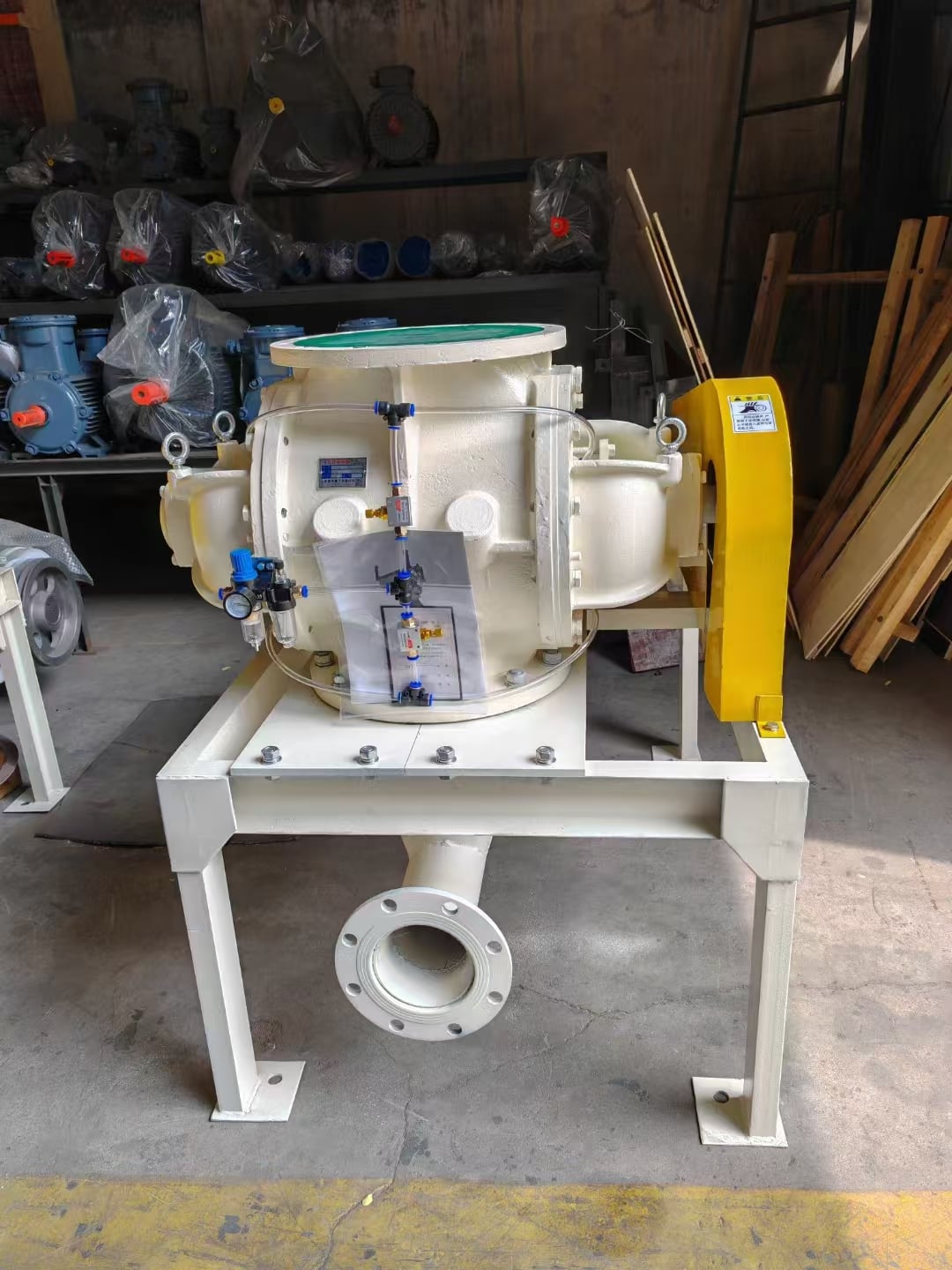
Product waste during material handling represents a significant operational cost for manufacturers across industries. Whether dealing with powders, granules, or other bulk materials, inefficient transfer systems can lead to spillage, degradation, and lost inventory. An industrial rotary feeder directly addresses these challenges by creating a controlled, airtight material flow that substantially reduces waste. This technology integrates seamlessly into existing bulk material handling equipment configurations, offering both immediate waste reduction and long-term operational reliability.
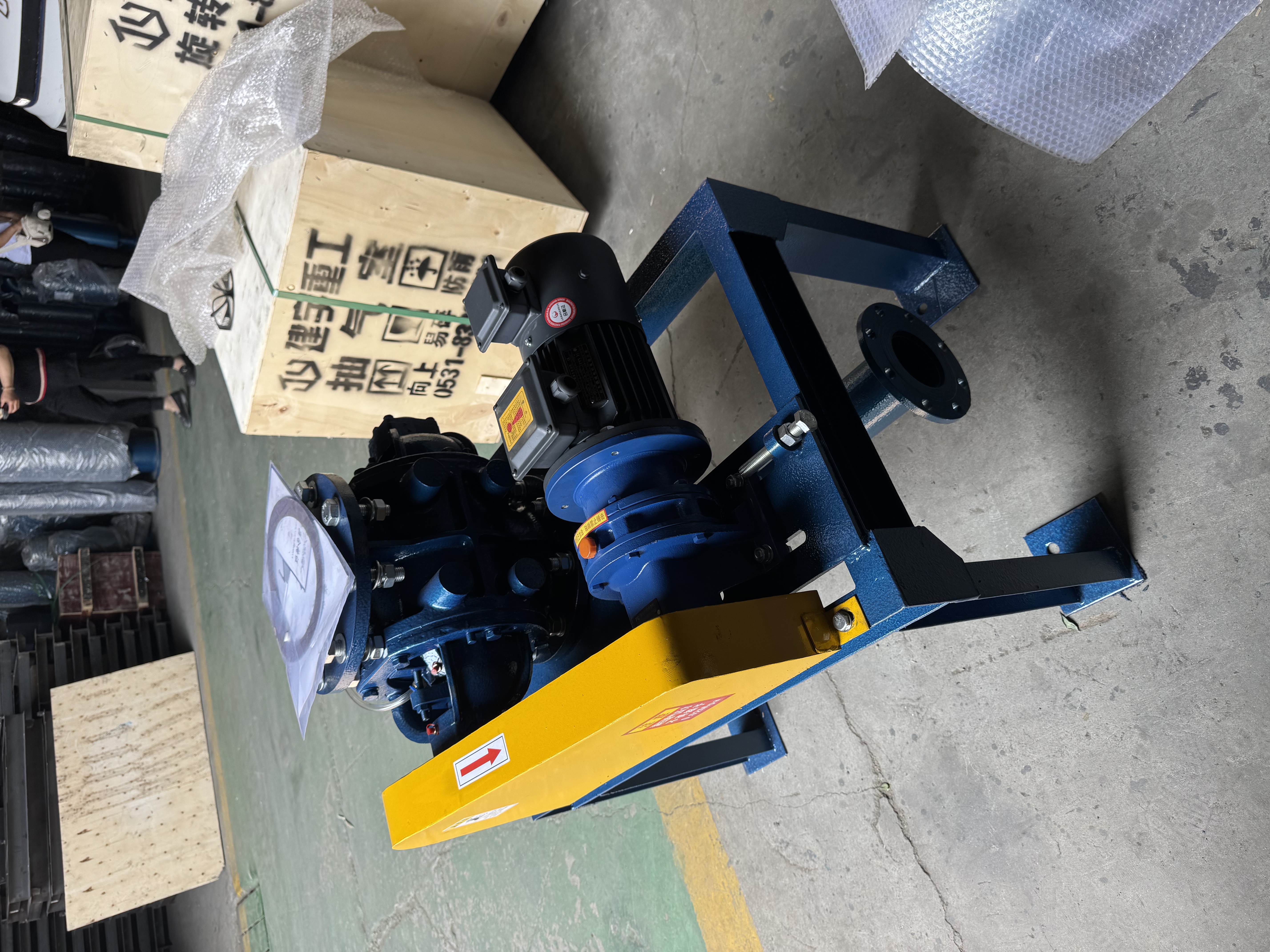
Understanding how an industrial rotary feeder controls material discharge is essential to recognizing its waste-reduction impact. Unlike conventional drop-chute methods that permit material escape and environmental spillage, a rotary airlock valve maintains precise flow regulation by rotating at controlled speeds. This mechanism ensures that only the intended amount of material enters the downstream process at any given moment. When paired with screw conveyor systems and other pneumatic transport infrastructure, the industrial rotary feeder creates a closed-loop environment where product containment and waste elimination become standard operational outcomes.
How Industrial Rotary Feeders Control Material Flow
The Mechanism Behind Rotary Airlock Technology
A rotary airlock valve operates through a simple yet highly effective design principle. Inside the housing, rotating blades or vanes create individual pockets that trap material momentarily before advancing it into the discharge port. Each rotation represents a metered dose of material, allowing precise rate control without spillage. The rotor turns at adjustable speeds, enabling operators to match discharge rates to downstream equipment requirements. This synchronized control eliminates the surge conditions that cause material degradation and waste accumulation in traditional systems. When integrated with bulk material handling equipment, this rotary mechanism becomes the critical interface between storage or conveying systems and processing equipment.
Integration with Bulk Material Handling Equipment
Industrial facilities typically employ multiple interconnected components to move materials from source to destination. A screw conveyor system feeds material into the industrial rotary feeder, which then manages the precise handoff to pneumatic lines, chutes, or secondary conveyors. This cascade arrangement ensures consistent velocity and pressure throughout the chain, preventing material compression, aeration loss, or segregation. The rotary airlock valve serves as the critical control point that prevents backpressure from upstream equipment while simultaneously blocking atmospheric air from entering downstream processes. By managing both inflow and outflow simultaneously, the industrial rotary feeder eliminates dead zones where material becomes trapped or degraded.
Waste Reduction Benefits Across Industrial Applications
Minimizing Spillage and Environmental Containment
Spillage represents perhaps the most visible form of material waste in bulk material handling equipment operations. Traditional open-transfer methods allow fine particles to escape into work environments, contaminating equipment, requiring cleanup labor, and creating safety hazards. An industrial rotary feeder eliminates this issue by maintaining enclosed transfer throughout the process. The rotary airlock valve design prevents material from escaping during transitions, velocity changes, or pressure fluctuations. Fine dust that would otherwise escape remains contained within the system, recovering material value and improving workplace safety simultaneously. Industries handling food ingredients, pharmaceuticals, or chemical powders recognize this containment benefit as critical to product quality and regulatory compliance.
Reducing Material Degradation and Quality Loss
Beyond simple spillage, material degradation occurs when products experience excessive pressure, impact, or exposure to environmental conditions during transfer. A screw conveyor system paired with a rotary airlock valve minimizes shock loads and maintains consistent handling conditions. The industrial rotary feeder releases material at controlled speeds rather than allowing gravity-driven dumps that shatter delicate particles or cause aeration in sensitive powders. Pharmaceutical tablets, food granules, and specialty chemicals all benefit from this gentle, controlled transfer method. When measured against traditional bulk material handling equipment approaches, the rotary airlock technology preserves product integrity, reduces off-specification batches, and improves overall yield per ton of input material.
Lowering Operating Costs Through Efficiency Gains
The financial impact of waste reduction extends beyond recovered product value. An industrial rotary feeder reduces labor costs associated with manual cleanup and spillage management. Equipment maintenance improves because material no longer accumulates in unexpected locations, reducing corrosion and wear on secondary systems. Energy consumption stabilizes because the rotary airlock valve prevents the pressure spikes that force compressors to work harder during uncontrolled discharge events. When bulk material handling equipment operates with consistent load profiles and predictable flow rates, maintenance intervals extend and unplanned downtime decreases. Organizations tracking total cost of ownership across equipment lifecycles frequently discover that investing in industrial rotary feeder technology reduces operational expenses by fifteen to twenty-five percent over five-year periods.
Selecting and Implementing Industrial Rotary Feeders
Matching Feeder Specifications to Production Requirements
Different materials and production rates demand different industrial rotary feeder configurations. A screw conveyor system feeding fine powders requires lower rotor speeds and smaller pocket volumes compared to equipment handling coarser granules or pellets. Material density, moisture content, temperature sensitivity, and required throughput all influence feeder selection criteria. The rotary airlock valve must accommodate both the physical properties of the specific material and the pressure differential between upstream and downstream systems. Working with equipment specialists to benchmark existing waste rates and identify loss points ensures that the industrial rotary feeder specification matches actual operational needs rather than oversizing or undersizing the solution.
Installation and Process Integration Considerations
Successful implementation of an industrial rotary feeder requires careful attention to mounting orientation, drive mechanism selection, and connection to existing bulk material handling equipment. The rotary airlock valve performs optimally when positioned to allow gravity to assist material entry into the rotor pockets while discharge occurs at a controlled downward or horizontal angle. Coupling the feeder drive to a variable-speed motor enables real-time adjustment to changing production demands without modifying physical equipment. Integration with automated control systems allows the industrial rotary feeder to communicate upstream equipment about downstream demand, enabling demand-driven flow rather than continuous operation. Facilities that prioritize these installation details typically achieve full waste-reduction benefits within the first production run, while those overlooking integration factors may experience partial or delayed returns.
FAQ
Can an industrial rotary feeder handle moist or sticky materials?
Yes, but material properties influence feeder performance significantly. Sticky materials require more frequent cleaning and may benefit from internal coatings or liner upgrades to prevent buildup. Many manufacturers offer specialized industrial rotary feeder designs with extended rotor pockets or low-speed configurations optimized for challenging materials. The rotary airlock valve construction should include access ports for inspection and cleaning. For consistently moist materials, heated housings or material conditioning upstream of the feeder often improve flow characteristics and reduce operational issues.
How does an industrial rotary feeder compare to other bulk material handling equipment options?
An industrial rotary feeder offers superior waste control and metering precision compared to simple gravity chutes or fixed-orifice gates. Screw conveyor systems excel at conveying but lack the precise rate control that a rotary airlock valve provides. The best approach typically combines multiple technologies: a screw conveyor system feeds material to the industrial rotary feeder, which then meters material into downstream pneumatic or mechanical transport. This layered approach balances conveying efficiency with discharge control, delivering waste reduction that no single component achieves alone.
What maintenance does an industrial rotary feeder require?
Regular maintenance of an industrial rotary feeder includes bearing lubrication, rotor pocket inspection, and cleaning of internal surfaces to prevent material buildup. The rotary airlock valve design typically requires minimal maintenance when operated within design parameters, but monitoring rotor clearances ensures reliable metering performance. Seasonal maintenance should include bearing seal inspection and replacement of any worn components before they fail during critical production runs. Following manufacturer maintenance schedules preserves waste-reduction performance and extends equipment lifespan significantly.