
 EN
EN
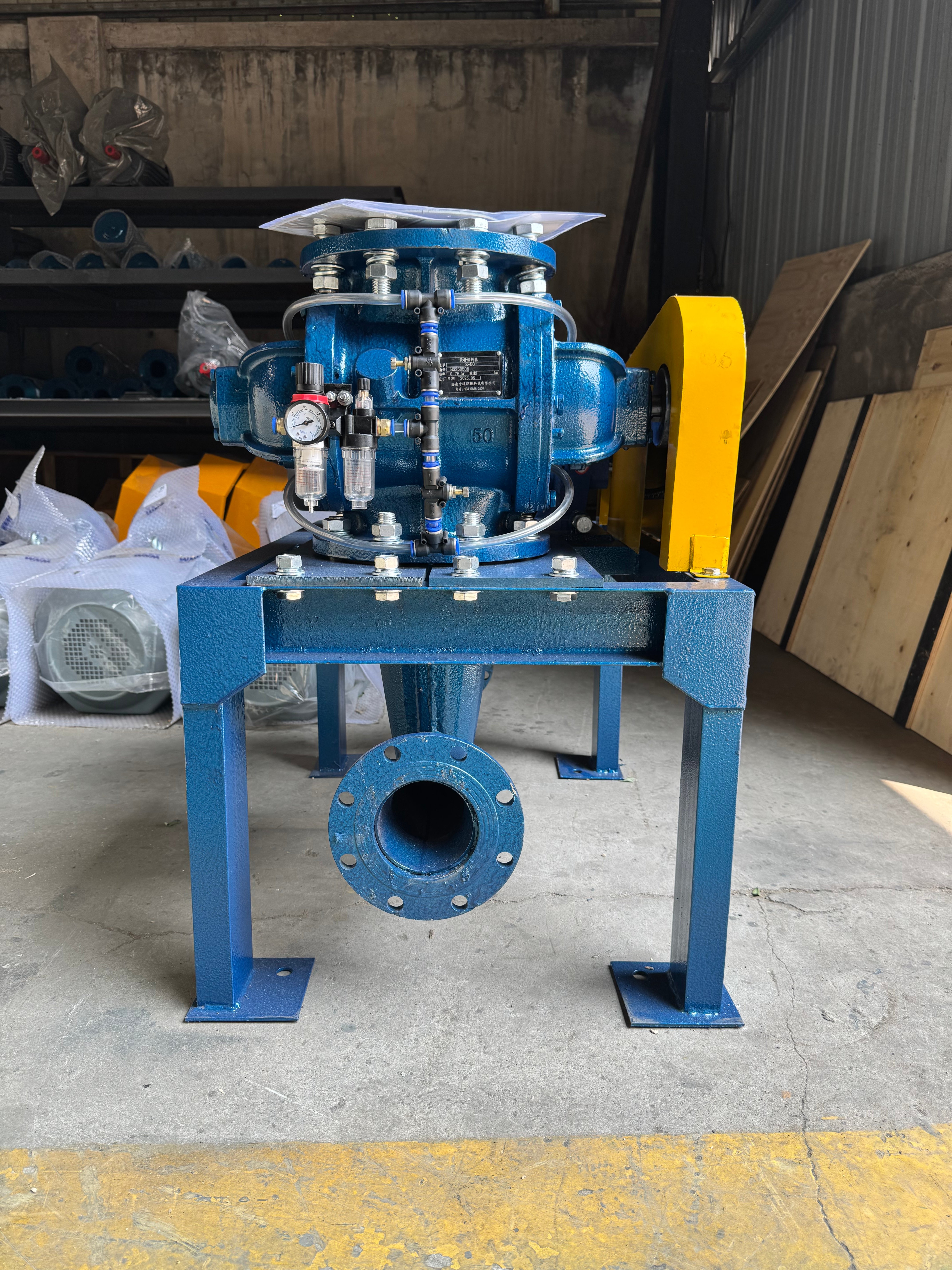
An industrial rotary feeder serves as a critical component in material processing systems, controlling the precise flow of bulk materials from storage hoppers into pneumatic conveying lines or processing equipment. These devices are engineered to handle a wide range of materials, from fine powders to coarse granules, making them indispensable in cement, chemical, pharmaceutical, food, and mineral processing industries. Understanding the available design options helps operators and engineers select the most suitable equipment for their specific application requirements.
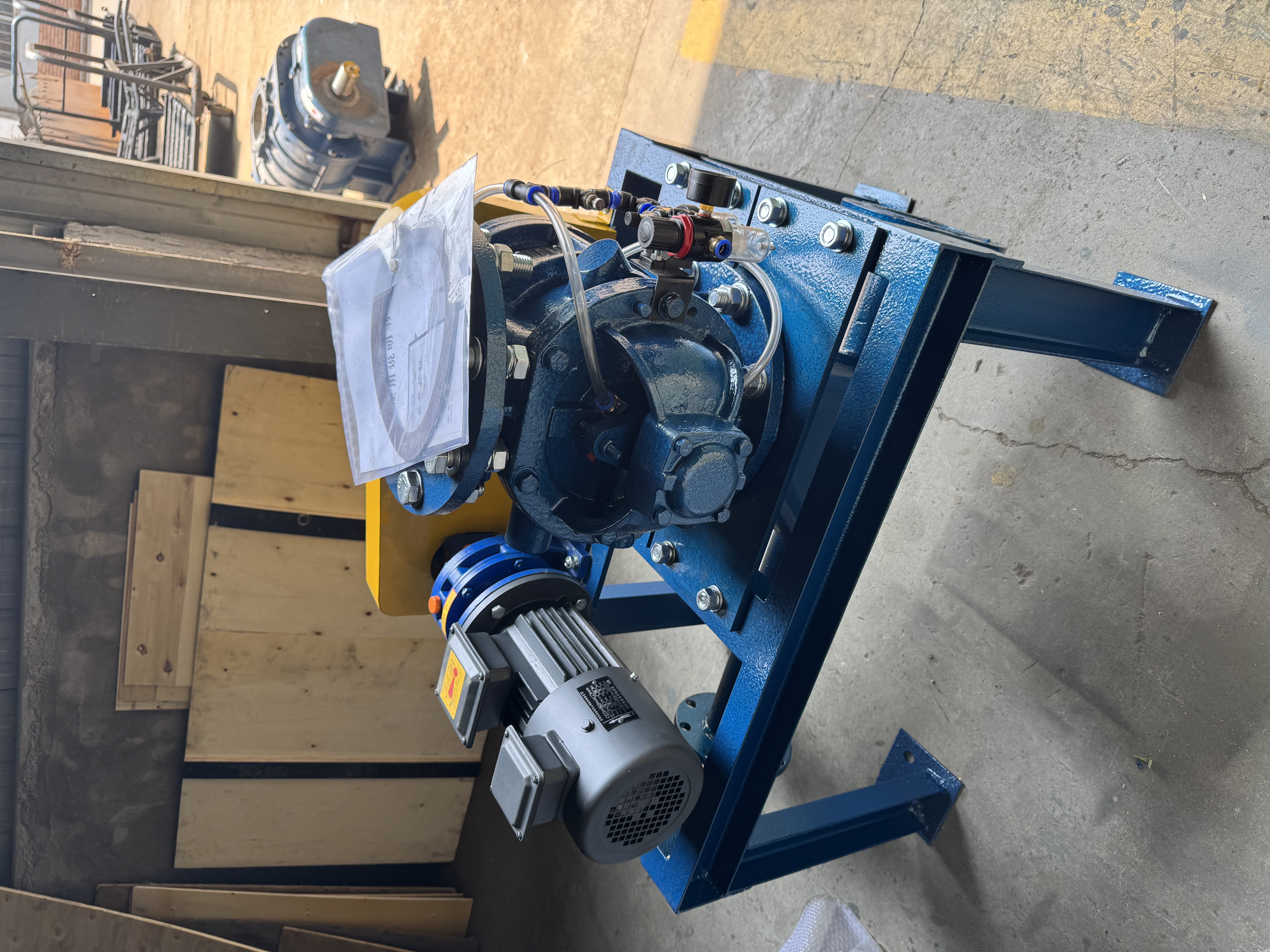
Design selection for an industrial rotary feeder depends on factors including material characteristics, production volume, pressure conditions, and integration requirements. Each design variant offers distinct advantages in terms of durability, accuracy, maintenance, and operational efficiency. The following sections outline the primary design categories and their practical applications in bulk material handling equipment systems.
Rotary Valve Feeder Systems and Impeller Designs
Blade Configuration Variations
Rotary valve feeder systems typically employ different blade or impeller configurations to suit specific material types and flow patterns. Standard rotary feeders feature flat or slightly curved blades arranged around a central rotating shaft, creating individual pockets that trap and meter material. Multi-blade designs increase throughput capacity by creating more pockets per rotation, while single or double-blade configurations prioritize gentle handling for fragile or segregation-sensitive materials. The blade pitch, clearance, and material composition directly impact the performance of powder and granule dispensing solutions in demanding industrial environments.
Housing and Port Orientation
The housing design of bulk material handling equipment determines how material enters and exits the feeder mechanism. Standard horizontal mounting accommodates gravity-fed inlet configurations common in hopper discharge applications. Vertical or angled mounting options adapt to spatial constraints and process flow requirements. Some rotary valve feeder systems feature multiple inlet or outlet ports to distribute material into parallel processing lines or to support complex pneumatic conveying networks. Port sizing and orientation significantly influence material acceleration and discharge consistency in powder and granule dispensing solutions.
Material-Specific Design Considerations
Pressure Capability and Seal Technology
Industrial rotary feeder designs vary in their pressure handling capacity, ranging from low-pressure gravity discharge units to high-pressure systems rated for 15 bar or greater. High-pressure designs incorporate reinforced housings, advanced bearing assemblies, and specialized sealing arrangements to withstand sustained pressure differentials. Labyrinth seals, mechanical seals, and hybrid seal configurations protect the rotary mechanism from material infiltration while maintaining operational efficiency. Selection of pressure-rated rotary valve feeder systems depends on downstream conveying line requirements and system design specifications in bulk material handling equipment installations.
Abrasion Resistance and Wear Protection
Materials such as minerals, aggregates, and recycled plastics demand robust powder and granule dispensing solutions with exceptional wear resistance. Some industrial rotary feeder designs incorporate hardened or coated internal surfaces to extend service intervals and reduce maintenance costs. Replaceable wear sleeves on the rotating shaft and removable blade inserts simplify maintenance procedures while preserving overall equipment integrity. Standard designs with standard steel components suit less abrasive materials like grains or processed chemicals, offering cost efficiency without sacrificing reliability in bulk material handling equipment applications.
Operational Control and Integration Features
Manual, Mechanical, and Electronic Speed Regulation
An industrial rotary feeder can be operated at fixed speed, mechanically regulated speed, or electronically controlled variable speed depending on process requirements. Fixed-speed designs deliver consistent throughput in applications with stable demand, reducing system complexity and cost. Mechanical governors respond passively to pressure variations, making them suitable for decoupling hopper pressure in pneumatic systems. Variable frequency drive integration enables real-time adjustment of rotary valve feeder systems to match instantaneous material demand, optimizing powder and granule dispensing solutions for batch processing or just-in-time material supply scenarios.
Coupling and Motor Mounting Options
Bulk material handling equipment designs accommodate different motor types and power transmission methods. Direct-coupled motor arrangements minimize footprint and maintenance points, ideal for compact installations. Flexible coupling options allow tolerance for misalignment and vibration isolation in industrial environments. Gearbox-driven variants provide speed reduction and torque multiplication for high-torque, low-speed applications requiring precise material metering. Some rotary valve feeder systems feature integral gearing, while others accept external motor packages, providing flexibility in retrofit and custom application scenarios.
FAQ
What material characteristics should guide industrial rotary feeder design selection?
Material properties including particle size distribution, moisture content, bulk density, angle of repose, and abrasiveness directly influence design choice. Fine, cohesive powders may require gentle blade designs to prevent bridging, while coarse granular materials benefit from robust impeller arrangements. Sticky or temperature-sensitive materials demand feeder designs with minimal internal friction and specialized seal configurations. Understanding these material characteristics ensures the selected rotary valve feeder system within your bulk material handling equipment delivers reliable performance.
How does pressure rating affect industrial rotary feeder system costs and performance?
Higher pressure-rated industrial rotary feeder designs incorporate thicker housing walls, premium bearing assemblies, and advanced sealing technologies, increasing equipment cost proportionally. However, high-pressure rotary valve feeder systems enable longer conveying distances, higher throughput capacities, and operation at higher material velocities within powder and granule dispensing solutions. Lower-pressure designs reduce capital expenditure but limit system flexibility and future expansion potential. Cost-benefit analysis should weigh initial investment against operational range, maintenance requirements, and long-term total cost of ownership in bulk material handling equipment selections.
Can an industrial rotary feeder be retrofitted into existing bulk material handling equipment?
Many existing systems can accommodate feeder upgrades through careful evaluation of available space, shaft orientation, motor compatibility, and material port sizing. Rotary valve feeder systems featuring standardized coupling interfaces and modular construction simplify retrofit integration. However, pressure boundary modifications, seal replacements, and inlet hopper reconfiguration may be required for optimal performance of powder and granule dispensing solutions. Professional assessment of the existing bulk material handling equipment setup ensures compatibility and operational success following feeder replacement or upgrade.