
 EN
EN
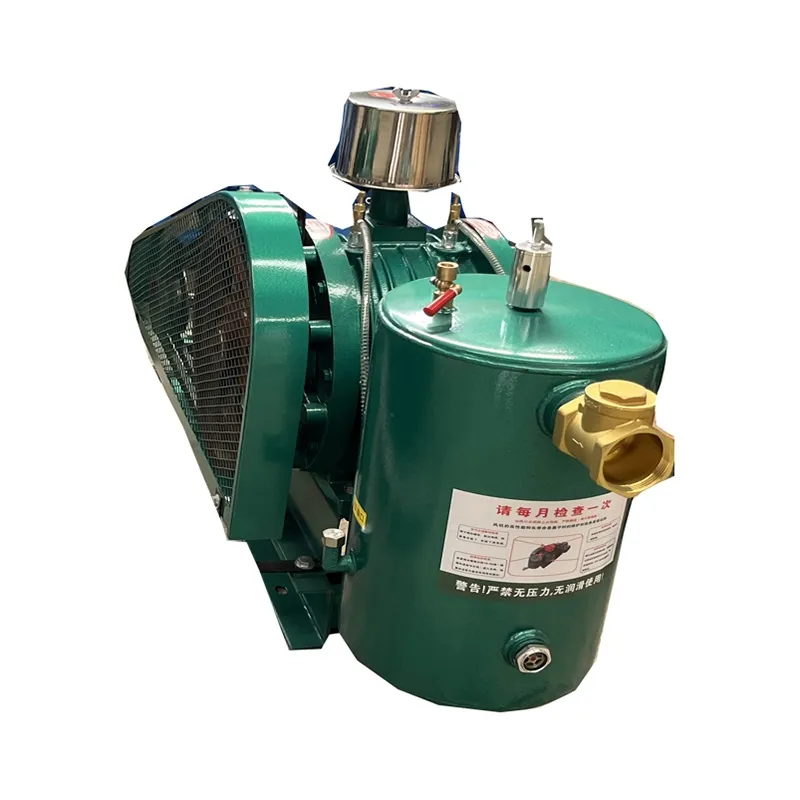
Large-scale production lines demand reliable equipment that can sustain consistent performance under demanding conditions. One critical question manufacturers face is whether positive displacement blowers can truly meet these rigorous requirements. The answer is yes, but only when proper sizing, selection, and specification practices are applied from the outset.
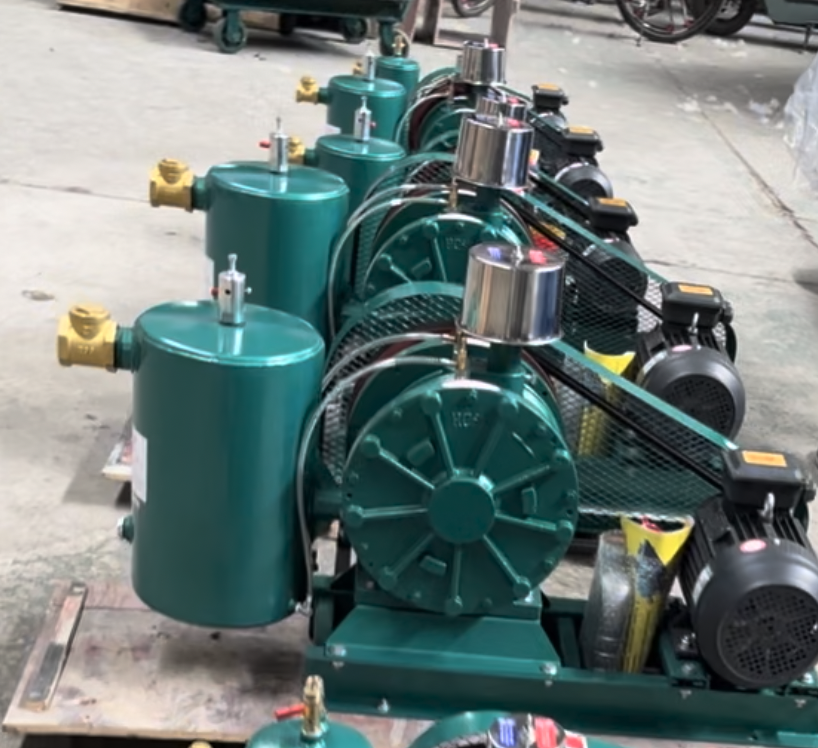
Understanding the capabilities and limitations of positive displacement blower technology is essential for production managers and plant engineers. These machines represent a proven solution across countless industrial sectors, yet their success depends on matching the right equipment to actual production line needs. This article explores whether positive displacement blowers deliver the performance, reliability, and scalability that large-scale operations demand.
Understanding Positive Displacement Blower Capacity
Core Operating Principles for Industrial Scale
Positive displacement blowers operate by trapping a fixed volume of air and forcing it into the discharge line with each rotation. Unlike centrifugal fans that increase air velocity, these machines deliver consistent volume output regardless of downstream pressure variations. This fundamental characteristic makes rotary lobe blower applications particularly valuable in large-scale production where steady, predictable airflow is critical to process consistency. Gear driven blower performance specifications reflect this predictability through precise displacement ratings measured in cubic feet per minute at standard conditions.
The mechanical design of positive displacement blower systems creates an inherent advantage for heavy-duty production environments. Each rotation captures and delivers the same air volume, ensuring that process requirements are met reliably hour after hour. This consistency becomes increasingly important as production scales upward and process variations can cascade into costly quality issues or production delays.
Pressure Handling and Flow Characteristics
Large-scale production lines often involve downstream resistance from piping, filtration systems, and process equipment that creates backpressure. Positive displacement blowers handle these conditions effectively because pressure does not reduce their volumetric output. When positive displacement blower sizing and selection occurs properly, engineers account for maximum system backpressure to ensure the blower motor receives appropriate power ratings and can sustain operation without stalling. Gear driven blower performance specifications include maximum pressure ratings that define operational boundaries.
Real-world production environments introduce variable backpressure as processes change throughout the operating day. Positive displacement blowers maintain delivery regardless of these pressure swings, which stabilizes upstream processes and prevents the fluctuations that centrifugal equipment might exhibit under similar conditions.
Rotary Lobe Blower Applications in Production Environments
Common Industrial Applications at Scale
Rotary lobe blower applications span wastewater treatment, pneumatic conveying, aeration, food processing, and pharmaceutical manufacturing. In each case, production scale demands equipment that operates continuously and reliably. A wastewater treatment facility processing millions of gallons daily relies on consistent aeration, which positive displacement blowers provide with minimal variation. Similarly, pneumatic conveying systems moving bulk materials across large facilities require steady pressure and flow characteristics that rotary lobe blower applications deliver dependably.
Food and beverage production lines frequently employ positive displacement blowers for drying, cooling, and agitation processes where consistent airflow directly impacts product quality. Pharmaceutical manufacturing uses these machines for containment and material handling where reliability and repeatability are non-negotiable. Across all these sectors, the fundamental requirement remains the same: large-scale production cannot tolerate equipment that delivers inconsistent performance.
Performance Stability Across Extended Operations
Extended production runs lasting 16 to 24 hours per day place thermal and mechanical stress on all equipment. Positive displacement blower sizing and selection must account for continuous duty operation to prevent premature failure. When specifications are properly matched to production demands, these machines demonstrate excellent reliability across extended operating periods. Thermal management through proper cooling, adequate motor sizing, and regular maintenance protocols keeps rotary lobe blower applications operating within design parameters.
The thermal stability of gear driven blower performance specifications ensures that even during extended operations, volumetric output remains consistent. Unlike some centrifugal equipment that may experience performance drift as operating temperatures rise, positive displacement blowers maintain their displacement characteristics across the operational temperature range.
Sizing, Selection, and Specification for Large-Scale Demands
Critical Factors in Positive Displacement Blower Sizing and Selection
Selecting positive displacement blowers for large-scale production begins with accurate demand calculations. Engineers must determine the actual volumetric flow required at operating pressure, account for system resistance, and include a reasonable safety margin. Positive displacement blower sizing and selection errors commonly occur when designers apply centrifugal equipment logic to displacement systems, leading to undersized or oversized installations. The correct approach quantifies each production process requirement independently, then aggregates total system demand including any future expansion.
Matching blower displacement to actual production needs prevents both underperformance and unnecessary energy consumption. A blower specified too small cannot meet peak demands and forces the production line to reduce throughput or operate with inadequate margins. Conversely, excessive displacement wastes energy and increases capital expenditure without adding benefit. Accurate positive displacement blower sizing and selection balances these factors through detailed load analysis.
Gear Driven Blower Performance Specifications and System Integration
Gear driven blower performance specifications define displacement, maximum pressure, temperature limits, and motor power requirements. These ratings establish the blower's operating envelope and guide integration into production systems. A large-scale installation typically incorporates pressure relief valves, inlet filters, discharge silencers, and piping networks all sized to work harmoniously with the selected blower. When specification details are mismatched, system inefficiency and equipment strain result.
Proper gear driven blower performance specifications also address noise levels, vibration characteristics, and cooling requirements that impact production environment conditions. Large-scale production facilities often have multiple blowers running simultaneously, and acoustic considerations become increasingly important. Specification review ensures that sound attenuation and vibration isolation are adequate for the installation setting.
Addressing Large-Scale Production Challenges
Reliability and Maintenance Considerations
Large-scale production lines cannot afford unexpected downtime, making equipment reliability paramount. Positive displacement blowers demonstrate excellent mean time between failures when maintained according to manufacturer specifications. Regular lubrication, filter changes, and inspection protocols keep rotary lobe blower applications running reliably. The mechanical simplicity of positive displacement systems compared to some alternatives means fewer moving parts and reduced complexity during maintenance interventions.
Spare parts availability and technician familiarity with positive displacement blower maintenance represent important practical considerations. Established equipment from reputable manufacturers ensures that replacement components are accessible and repair resources are readily available across most geographic regions and industrial sectors.
Scalability and Future Expansion
Production facilities often expand capacity beyond initial designs, requiring equipment solutions that accommodate growth. Positive displacement blower sizing and selection should anticipate potential future demands and specify systems that can handle increased requirements through modular expansion or oversizing. Some operations employ multiple smaller blowers instead of single large units, allowing incremental capacity additions as production grows.
This scalability advantage of positive displacement blowers becomes evident when production increases by 20 or 30 percent and existing equipment can handle the additional load, or when facility expansion can utilize similar equipment already proven reliable in the existing operation.
FAQ
Can positive displacement blowers maintain performance over the entire lifespan of large-scale equipment?
Yes, when properly specified and maintained. Positive displacement blower sizing and selection that accounts for actual production requirements ensures the equipment operates within design parameters throughout its operational life. Regular maintenance following manufacturer recommendations keeps rotary lobe blower applications performing predictably. Performance degradation typically occurs gradually as internal components wear, providing advance warning for preventive replacement before critical failures occur.
What specific factors differentiate gear driven blower performance specifications for large-scale versus small-scale applications?
Large-scale applications typically require larger displacement ratings, heavier-duty construction, and more robust motor sizing to handle extended continuous duty. Gear driven blower performance specifications for large operations often include thermal management features, advanced vibration isolation, and noise attenuation not required in smaller systems. Additionally, specification redundancy and backup capacity may be incorporated in critical processes where downtime carries significant economic penalty.
How does positive displacement blower sizing and selection differ from standard centrifugal fan selection?
Positive displacement blower sizing and selection focuses on volumetric displacement at operating pressure, whereas centrifugal equipment selection emphasizes pressure rise capability. Displacement blowers maintain consistent output regardless of backpressure, while centrifugal fans experience reduced flow as pressure increases. For applications requiring steady flow delivery into varying backpressure conditions, rotary lobe blower applications prove superior because their pressure-independent operation eliminates flow variability that could compromise production consistency.
Table of Contents
- Understanding Positive Displacement Blower Capacity
- Rotary Lobe Blower Applications in Production Environments
- Sizing, Selection, and Specification for Large-Scale Demands
- Addressing Large-Scale Production Challenges
-
FAQ
- Can positive displacement blowers maintain performance over the entire lifespan of large-scale equipment?
- What specific factors differentiate gear driven blower performance specifications for large-scale versus small-scale applications?
- How does positive displacement blower sizing and selection differ from standard centrifugal fan selection?