
 EN
EN
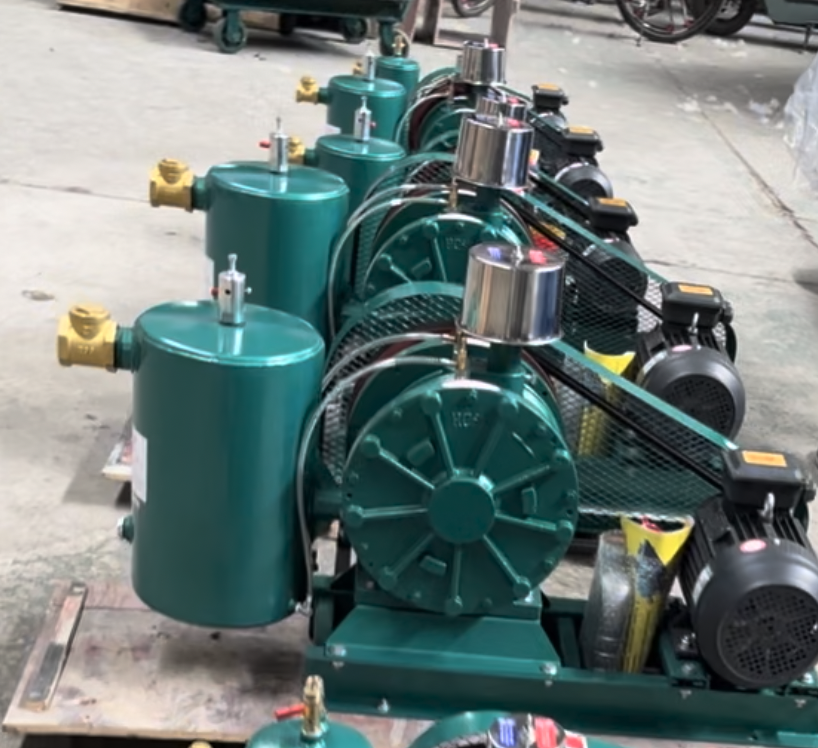
Maintaining positive displacement blowers requires a structured approach that balances operational demands with preventative care. These robust machines form the backbone of countless industrial processes, from wastewater treatment to pneumatic conveying systems. Without proper maintenance strategies, even the most durable positive displacement blower can experience premature wear, unexpected failures, and reduced efficiency that directly impacts your operational costs and production schedules.
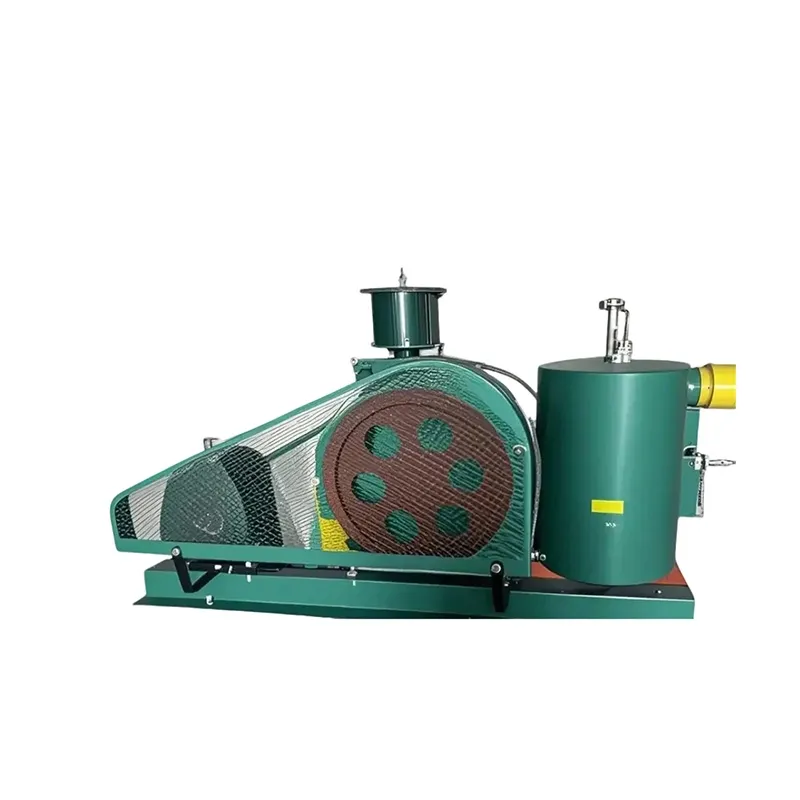
The key to sustained performance lies in understanding how maintenance schedules align with your specific rotary lobe blower applications and operating conditions. Whether your facility relies on these machines for continuous duty or intermittent service, implementing a comprehensive maintenance strategy protects your investment and ensures reliable uptime. This article explores evidence-based maintenance approaches that keep positive displacement blower systems running at peak efficiency while extending their operational lifespan.
Understanding Preventative Maintenance for Positive Displacement Blowers
The Foundation of Reliable Operation
Preventative maintenance forms the cornerstone of positive displacement blower longevity and performance. Rather than waiting for component failure, proactive maintenance identifies wear patterns, adjusts parameters, and replaces components before they cause system-wide problems. This approach significantly reduces unplanned downtime and emergency repair costs that can disrupt production schedules across your facility.
Rotary lobe blower applications demand consistent attention to critical wear points. The timing gears, bearings, and rotor clearances deteriorate gradually during normal operation, and monitoring these areas prevents catastrophic failures. Establishing maintenance intervals based on manufacturer recommendations and your specific operating conditions creates a sustainable framework for equipment care.
Key Maintenance Documentation and Planning
Effective maintenance requires detailed documentation of all service activities, component replacement dates, and performance metrics. Tracking operating hours, temperature readings, and pressure variations helps your maintenance team identify emerging issues before they escalate into expensive repairs. Digital maintenance logs or computerized management systems make this documentation accessible and actionable for scheduling future interventions.
Planning maintenance windows around your production schedule ensures minimal operational disruption. By coordinating positive displacement blower servicing during scheduled downtime or lower-demand periods, your facility maintains output targets while completing necessary maintenance tasks thoroughly and without rush conditions that compromise quality.
Critical Maintenance Tasks for Rotary Lobe Blower Applications
Fluid and Seal Management
Oil quality directly impacts the longevity of positive displacement blower components. Regular fluid analysis identifies contamination levels, viscosity changes, and wear debris that indicate developing problems within the machine. Changing oil at recommended intervals prevents sludge buildup, maintains proper lubrication film between rotating components, and reduces friction-related heat generation that accelerates material degradation.
Seal integrity becomes increasingly critical in positive displacement blower maintenance as equipment ages. Leaking seals allow contaminants to enter the system while allowing pressurized air or process gases to escape, reducing system efficiency. Inspecting seal conditions during regular service cycles and replacing worn seals before they fail prevents secondary damage to bearings and rotors that much more expensive to repair or replace.
Bearing Care and Alignment Verification
Bearings in positive displacement blowers operate under consistent loading conditions and require regular lubrication and inspection. Temperature monitoring at bearing housings provides early warning of lubrication degradation or developing friction. Excessive bearing temperatures often precede complete seal failure or rotor seizure, making thermal monitoring an economical predictive maintenance tool for rotary lobe blower applications.
Shaft alignment directly affects bearing life and positive displacement blower efficiency. Misalignment causes uneven load distribution on bearing surfaces, accelerating wear and increasing vibration that eventually damages neighboring components. Periodic alignment verification using laser alignment tools ensures that foundation settling or connector modifications have not introduced alignment problems that compromise equipment reliability.
Integrating Variable Frequency Drive Blowers into Your Maintenance Program
Specialized Considerations for Variable Frequency Drive Blowers
Variable frequency drive blowers offer significant energy savings and operational flexibility compared to fixed-speed positive displacement blowers, but they introduce additional maintenance complexity. The variable frequency drive controller requires appropriate ambient temperature control and protection from electrical noise that can affect system reliability. Facility maintenance teams must verify that variable frequency drive installations maintain adequate cooling airflow around the controller cabinet and check electrical connections for corrosion or looseness that increases resistance.
Thermal management becomes more nuanced with variable frequency drive blowers because reduced-speed operation generates less waste heat than fixed-speed positive displacement blower systems. While lower thermal loads extend component life, maintenance teams must monitor bearing temperatures across the full speed range to identify settings that create inadequate lubrication film at very low speeds. Establishing minimum operating speeds ensures proper bearing film maintenance and prevents premature wear during part-load conditions.
Controller and Electrical System Maintenance
Variable frequency drive blowers depend on sophisticated electronics that require preventative attention separate from mechanical maintenance activities. Regular inspection of capacitor banks, circuit boards, and cooling systems prevents electrical failures that render positive displacement blower systems inoperable despite mechanical component health. Dust accumulation inside variable frequency drive enclosures compromises thermal management and increases component stress during high-temperature summer months when cooling air temperatures rise.
Firmware updates for variable frequency drive controllers often include efficiency improvements and stability enhancements for positive displacement blower operation. Coordinating periodic controller software updates with your maintenance schedule ensures your equipment benefits from manufacturer improvements while minimizing compatibility issues. Documentation of all controller modifications and parameter adjustments enables your maintenance team to troubleshoot future performance variations systematically.
FAQ
How frequently should I service positive displacement blowers in continuous-duty applications?
Continuous-duty positive displacement blower maintenance typically requires oil changes every 1,000 to 2,000 operating hours, depending on air quality and operating temperature. Inspect filters monthly and replace as needed, check bearing temperatures weekly, and verify seal integrity every quarter. Many operators implementing variable frequency drive blowers reduce maintenance frequency slightly due to lower operational stress at reduced speeds during partial-load periods. Consult your equipment manufacturer's recommendations and adjust intervals based on your specific operating environment and product purity requirements for rotary lobe blower applications.
What performance indicators suggest my positive displacement blower needs immediate maintenance?
Increasing vibration levels, rising discharge temperatures, declining pressure output, or unusual noises indicate that positive displacement blower maintenance should not be delayed. Bearing temperature increases of 15 to 20 degrees Celsius above baseline suggest developing lubrication problems requiring immediate seal and oil inspection. Oil analysis showing elevated wear debris or contamination levels confirms that maintenance intervention prevents more severe damage. These warning signs appear more frequently in positive displacement blower systems operating beyond their design envelope or in particularly dusty environments affecting rotary lobe blower applications.
Can variable frequency drive blowers reduce my maintenance burden compared to fixed-speed positive displacement blowers?
Variable frequency drive blowers can extend maintenance intervals for mechanical components because reduced operating speeds generate less wear and heat stress during partial-load operation. However, variable frequency drive blowers introduce electrical maintenance requirements that fixed-speed positive displacement blowers do not require. Controller cooling systems, electrical connections, and firmware updates create new maintenance tasks that offset some mechanical component benefits. Overall maintenance complexity depends on your facility's electrical expertise and whether you can maintain variable frequency drive systems in-house or require specialized contractor support for positive displacement blower equipment.
Table of Contents
- Understanding Preventative Maintenance for Positive Displacement Blowers
- Critical Maintenance Tasks for Rotary Lobe Blower Applications
- Integrating Variable Frequency Drive Blowers into Your Maintenance Program
-
FAQ
- How frequently should I service positive displacement blowers in continuous-duty applications?
- What performance indicators suggest my positive displacement blower needs immediate maintenance?
- Can variable frequency drive blowers reduce my maintenance burden compared to fixed-speed positive displacement blowers?