
 EN
EN
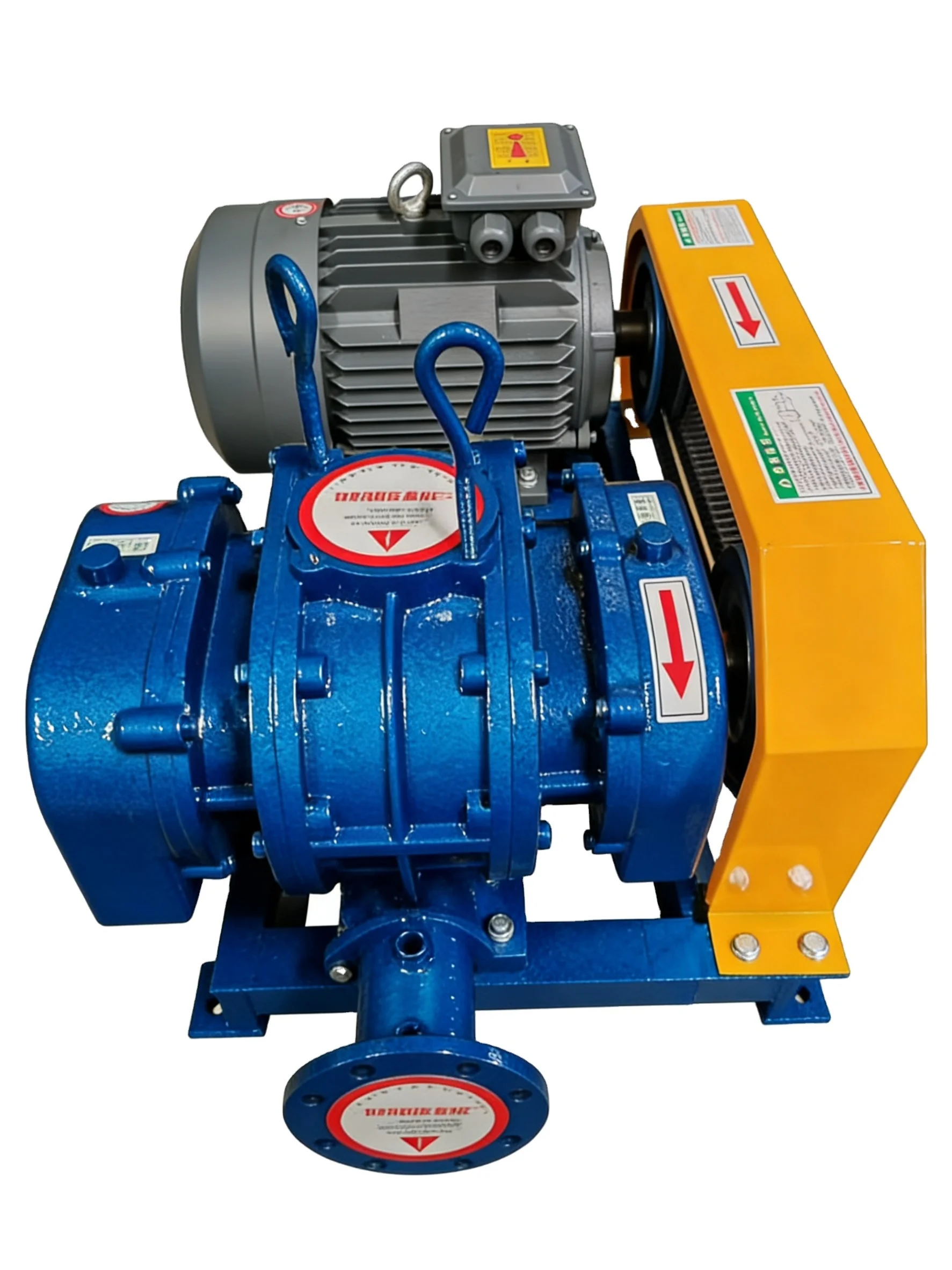
Pneumatic conveying systems transport bulk materials across industrial facilities with precision and speed, yet their effectiveness depends largely on the equipment driving the flow. A high pressure blower serves as the heart of these systems, determining whether materials move efficiently or create bottlenecks that disrupt production schedules. Understanding how this equipment functions and contributes to overall system performance is essential for any facility manager or engineering team seeking to optimize material handling operations.
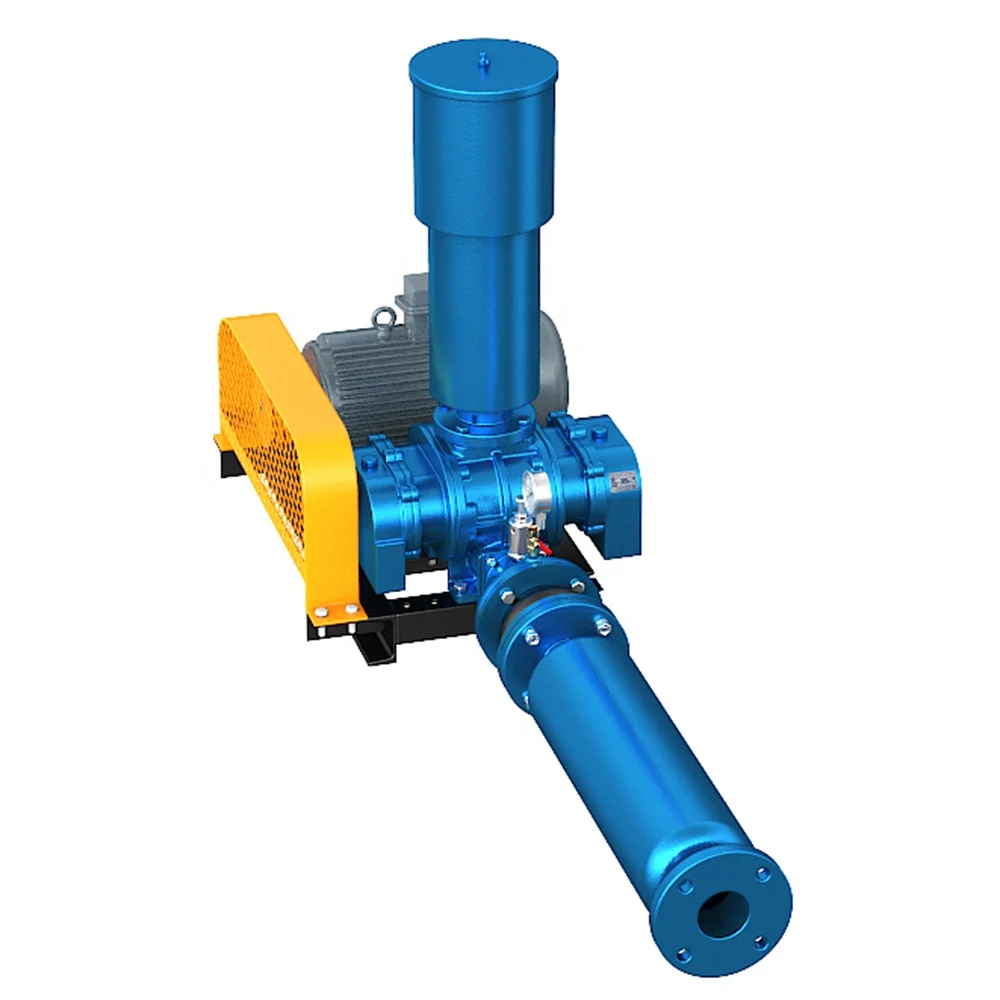
The relationship between blower performance and conveying efficiency extends beyond simple air movement. When properly selected and integrated, a high pressure blower reduces energy consumption, minimizes material degradation, and extends the operational life of the entire pneumatic conveying system. Industrial facilities face mounting pressure to improve productivity while controlling operational costs, making the choice of blower technology a critical strategic decision that influences both immediate performance and long-term profitability.
How Pressure Generation Drives Material Flow Efficiency
Understanding Pressure Requirements in Conveying Systems
Pneumatic conveying systems require precise pressure levels to move materials effectively through pipelines and distribution networks. The high pressure blower generates differential pressure that overcomes friction, gravitational force, and material resistance. Different materials demand different pressure profiles: dense aggregates require higher sustained pressure, while lighter powders benefit from lower pressure with higher volume rates. Industrial air compression systems designed for conveying must balance pressure output against energy expenditure to maintain cost-effective operations across varying load conditions.
Centrifugal blower applications excel in scenarios demanding consistent, high-volume airflow at moderate to high pressures. These units accelerate air through an impeller, converting rotational energy into kinetic and pressure energy. Their smooth delivery characteristics minimize pressure pulsations that could damage sensitive materials or create operational instability in the conveying line. A properly tuned high pressure blower matching system requirements reduces wasted energy while ensuring reliable material transport even during peak demand periods.
Pressure Optimization and System Integration
Matching the high pressure blower specification to actual system demands prevents both undersizing that causes material backup and oversizing that wastes electrical energy. Advanced industrial air compression systems incorporate pressure regulators and control valves that work in concert with the blower to maintain optimal operating points. Real-time monitoring systems now allow facilities to adjust blower performance dynamically, reducing energy consumption during light-load periods while maintaining full capacity when needed for maximum throughput requirements.
Comparing Blower Technologies for Pneumatic Applications
Centrifugal Versus Positive Displacement Performance
Centrifugal blower applications typically dominate pneumatic conveying installations requiring high flow rates at moderate pressures. These machines excel at continuous operation with minimal maintenance, offering smooth, pulsation-free airflow that protects product quality. Positive displacement blower specifications, conversely, deliver fixed air volumes with each impeller rotation, providing superior performance for applications requiring high-pressure delivery at lower flow volumes. The choice between these technologies shapes operational efficiency, equipment longevity, and maintenance scheduling across the facility lifecycle.
Industrial air compression systems increasingly employ hybrid approaches, combining centrifugal technology for primary conveying with positive displacement units handling secondary systems or pressure-boost applications. This multi-blower architecture optimizes efficiency across diverse material handling scenarios while reducing peak energy demand on primary power sources. Facilities evaluating pneumatic conveying upgrades must assess whether their existing high pressure blower infrastructure supports future production scaling or requires modernization to accommodate enhanced throughput demands.
Energy Efficiency and Operational Cost Impact
Modern high pressure blower designs incorporate advanced aerodynamic profiles, variable-speed drives, and intelligent control systems that substantially reduce energy consumption compared to earlier fixed-speed models. Centrifugal blower applications benefit from variable frequency drives that match blower output precisely to instantaneous system demands, eliminating the energy waste of running full-capacity units during light production periods. Industrial air compression systems equipped with these efficiency features demonstrate measurable reductions in kilowatt-hour consumption, translating directly to lower operational costs and improved environmental performance metrics required by contemporary facility regulations.
Practical Implementation and System Optimization
Sizing and Selection Methodology
Selecting an appropriately sized high pressure blower requires detailed analysis of material characteristics, conveying distance, pipeline configuration, and target throughput volumes. Engineers must calculate friction losses throughout the distribution system, accounting for pipe diameter, length, elevation changes, and material properties. Positive displacement blower specifications prove invaluable when handling difficult materials like sticky aggregates or fine powders that require consistent pressure delivery without surge characteristics. Industrial air compression systems designed through this rigorous methodology demonstrate superior reliability and justify their initial capital investment through years of consistent, predictable performance.
Facility managers implementing new pneumatic conveying systems should work with equipment specialists to establish baseline performance expectations under full-load conditions. Centrifugal blower applications require careful attention to inlet air conditions, as temperature, humidity, and contamination levels directly impact delivered airflow and pressure. Testing protocols that evaluate high pressure blower performance against specified parameters before final installation prevent costly operational surprises and ensure the system achieves designed throughput targets from the commissioning date forward.
Maintenance and Longevity Considerations
Well-maintained pneumatic conveying systems achieve service intervals exceeding ten years, yet blower performance degradation occurs gradually as impeller surfaces experience erosion from airborne particles. Implementing comprehensive inlet air filtration protects the high pressure blower from contamination while maintaining system efficiency. Positive displacement blower specifications typically require more frequent maintenance than centrifugal units due to tighter operating clearances, yet their simpler design allows technicians to perform many service tasks in-house without specialized contractor visits. Industrial air compression systems incorporating predictive maintenance sensors now enable facilities to schedule service activities based on actual equipment condition rather than arbitrary time intervals, reducing unexpected downtime and maintenance expense.
FAQ
What pressure range should a high pressure blower provide for typical material conveying?
Most pneumatic conveying applications operate effectively between 4 and 8 bar absolute pressure, though specific requirements vary based on material density, conveying distance, and system configuration. A high pressure blower sized for your particular installation balances adequate pressure delivery against unnecessary energy expenditure. Consulting equipment specifications and conducting system pressure loss calculations ensures the selected unit performs optimally within your facility's operating envelope.
How do centrifugal blower applications compare to positive displacement units in energy efficiency?
Centrifugal blower applications generally demonstrate superior energy efficiency in high-volume, moderate-pressure scenarios typical of mainstream pneumatic conveying, especially when equipped with variable-speed drives. Positive displacement blower specifications deliver better efficiency in high-pressure, lower-volume applications or situations requiring extremely consistent pressure delivery. Industrial air compression systems should be selected based on your specific duty cycle rather than assuming one technology outperforms the other universally.
How frequently should pneumatic conveying blowers require maintenance service?
A high pressure blower operating under normal industrial conditions typically requires inspection and filter replacement every 2,000 to 4,000 operating hours, with major service intervals ranging from 5,000 to 10,000 hours depending on inlet air quality and material characteristics. Centrifugal blower applications tend to require less frequent maintenance than positive displacement designs due to less restrictive internal tolerances. Implementing robust air filtration systems and monitoring inlet conditions extends service intervals significantly, improving availability and reducing total cost of ownership across the blower's operational lifetime.