
 EN
EN
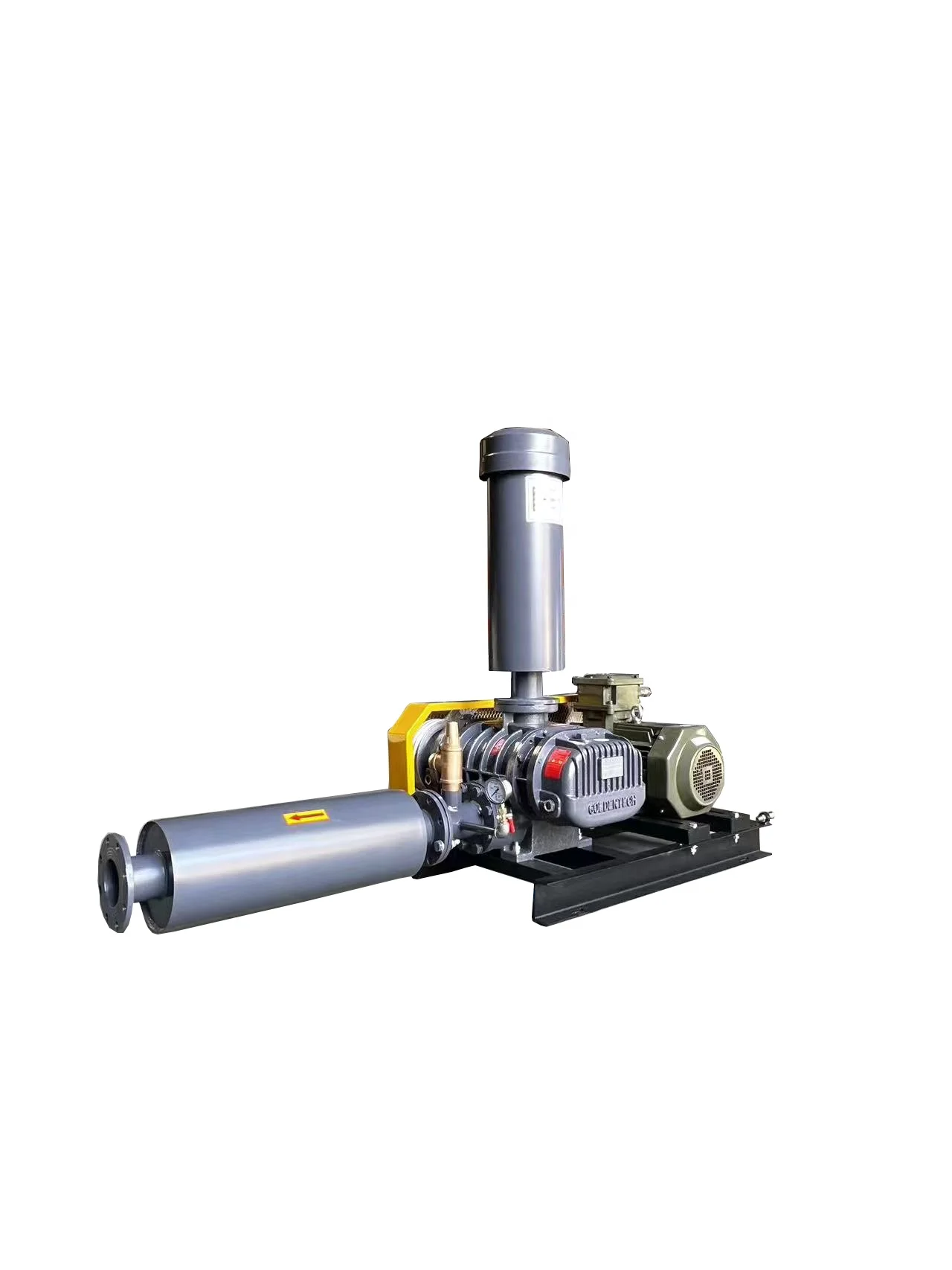
A high pressure blower stands as a critical component in industries where standard ventilation and material transport systems fall short. These specialized machines generate superior air velocity and pressure levels, enabling reliable operation across manufacturing, mining, chemical processing, and energy sectors. Understanding why high pressure blowers outperform conventional alternatives requires examining their mechanical design, operational capabilities, and suitability for extreme working conditions.
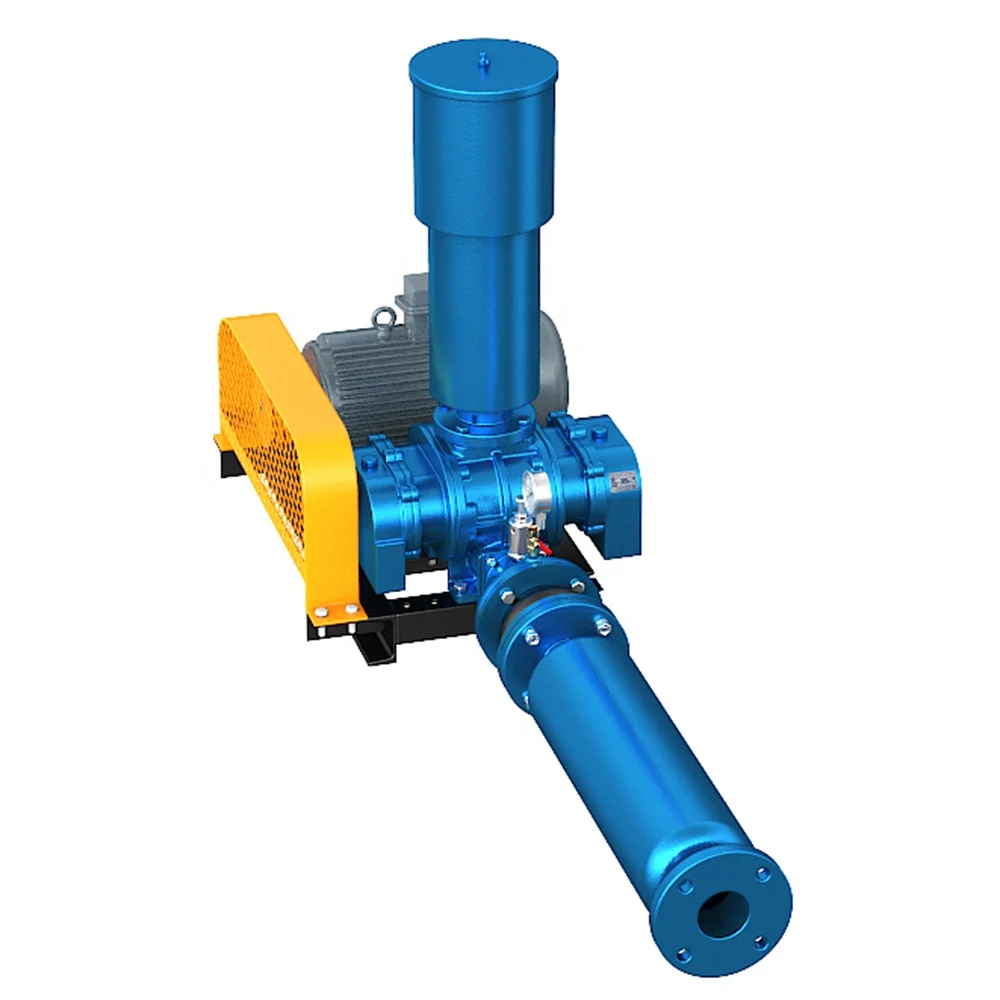
Industrial environments demand equipment capable of handling extreme temperatures, corrosive materials, and sustained high-volume airflow. A high pressure blower delivers these capabilities through advanced engineering that optimizes both pressure generation and efficiency. The performance advantages stem from fundamental design differences compared to standard blower systems, making them indispensable in applications where operational reliability directly impacts profitability and safety.
Mechanical Design and Pressure Generation
Centrifugal Blower Applications in Demanding Settings
Centrifugal blower applications dominate high-pressure operations because of their ability to generate consistent, powerful airflow under sustained load. Unlike axial fans that rely on propeller-style blades, centrifugal designs use curved impellers that accelerate air radially outward, converting rotational energy into pressure head. This mechanical principle allows centrifugal blower applications to achieve pressures ranging from moderate levels up to several hundred inches of water column, depending on impeller design and rotational speed.
The structural integrity of centrifugal blower applications ensures they withstand prolonged operation without performance degradation. Heavy-duty construction, reinforced housings, and precision-balanced impellers reduce vibration and extend component lifespan significantly. Industries relying on continuous material transport, pneumatic conveying, and high-velocity air delivery benefit enormously from the reliability that centrifugal blower applications provide, particularly when downtime translates to lost revenue or safety hazards.
Positive Displacement Blower Technology Advantages
Positive displacement blower technology operates on a fundamentally different principle than centrifugal systems, creating consistent pressure through fixed volume displacement per rotation. Rotary screw, rotary lobe, and sliding vane designs exemplify positive displacement blower technology, each trapping air in expanding cavities and forcing it toward discharge outlets at high pressure. This mechanism guarantees steady pressure delivery regardless of downstream resistance, making positive displacement blower technology ideal for vacuum applications, material handling, and processes requiring unwavering airflow consistency.
Positive displacement blower technology excels in low-speed, high-torque applications where energy efficiency matters as much as pressure capability. The consistent displacement per revolution means performance remains predictable across varying operational scenarios, eliminating surge effects common in some centrifugal designs. Industries utilizing positive displacement blower technology enjoy reduced wear patterns, lower heat generation, and extended maintenance intervals compared to other high-pressure alternatives.
Performance Advantages in Extreme Conditions
Industrial Air Compression Systems and Operational Reliability
Industrial air compression systems integrated with high-pressure blower technology deliver unmatched reliability in challenging environments. Pneumatic conveying systems, vacuum packaging operations, and dust collection networks depend on industrial air compression systems that maintain consistent performance despite fluctuating demand and extreme ambient conditions. High-pressure blowers within these systems provide the steady, powerful airflow that prevents bottlenecks and ensures smooth material flow through production lines.
Temperature variations, moisture content, and particulate contamination all impact system performance, yet robust industrial air compression systems overcome these challenges through durable construction and efficient pressure regulation. Premium filtration, heat exchangers, and pressure relief mechanisms protect the high pressure blower while maintaining output specifications. Manufacturing facilities processing abrasive materials, chemical plants handling volatile substances, and mining operations extracting fine particles all depend on industrial air compression systems engineered for genuine demanding conditions.
Energy Efficiency and Long-Term Cost Management
A high pressure blower delivers better performance partly through superior energy conversion efficiency compared to conventional equipment. Modern designs optimize blade geometry, housing shapes, and rotational speeds to maximize useful pressure output relative to electrical input power. Over multi-year operational periods, this efficiency advantage translates into substantial energy cost savings, particularly in industries running blower systems continuously throughout production cycles.
Maintenance cost reduction accompanies the performance benefits of high-pressure systems. Durable construction, precision manufacturing, and quality component integration mean fewer emergency repairs, extended bearing lifespans, and reduced seal replacement frequency. Operations managers appreciate the predictable maintenance windows and minimal unexpected downtime that accompany reliable high pressure blower systems, enabling better workforce planning and production scheduling across demanding industries.
Application-Specific Performance Benefits
Specialized Use Cases for High-Pressure Systems
Mining operations extracting fine mineral concentrations require high pressure blower systems that generate sufficient air velocity to transport material through extended ductwork across uneven terrain. The consistent pressure delivery ensures material reaches processing facilities without settling inside transport lines, maintaining productivity and preventing costly blockages. Chemical manufacturers handling fine powders, plastics processors working with recycled materials, and food manufacturers processing grain all depend on high pressure blower performance for reliable continuous operation.
Wastewater treatment plants utilize high pressure blower systems to aerate large lagoons efficiently, maintaining dissolved oxygen levels essential for biological treatment processes. Power plants employ similar technology for ash handling, combustion air delivery, and flue gas treatment. Each application benefits from the pressure generation, reliability, and efficiency that distinguish true high-pressure systems from standard industrial equipment, demonstrating why demanding industries consistently choose this technology.
Integration with Modern Industrial Infrastructure
Contemporary manufacturing incorporates high pressure blower systems within automated control networks, enabling remote monitoring, predictive maintenance, and performance optimization. Variable frequency drives paired with high-pressure blowers allow operational flexibility while maintaining energy efficiency across changing production demands. This integration capability makes modern high pressure blower systems valuable contributors to Industry 4.0 initiatives, where equipment connectivity and real-time data analysis drive continuous improvement.
Smart sensors monitor pressure differentials, temperature, vibration signatures, and power consumption, alerting maintenance teams to emerging issues before catastrophic failures occur. This proactive approach reduces unplanned downtime, improves worker safety, and extends equipment lifespan beyond traditional replacement cycles. Demanding industries increasingly recognize that high pressure blower performance encompasses not just raw capability but also intelligent system integration supporting overall operational excellence.
FAQ
What distinguishes a high pressure blower from standard ventilation equipment?
High pressure blowers generate substantially greater pressure levels, typically measured in inches of water column or bar units, compared to standard ventilation fans. They employ heavy-duty construction, precision engineering, and specialized impeller designs to maintain consistent performance under sustained high-load operation. Standard fans prioritize high volume at low pressure, while high pressure blower systems prioritize pressure generation and durability, making them suitable for demanding industrial applications where conventional equipment fails.
How do industrial air compression systems benefit from high pressure blower technology?
Industrial air compression systems incorporating high pressure blower components achieve superior material transport efficiency, reduced energy consumption, and fewer operational interruptions. The consistent pressure delivery prevents line blockages, maintains product quality during pneumatic conveying, and eliminates surge effects that damage sensitive materials. These systems support demanding industrial processes where performance reliability directly impacts production throughput and product consistency.
Why should industries consider upgrading to high pressure blower systems?
Industries operating with aging or undersized blower equipment experience productivity losses, increased maintenance costs, and potential safety hazards. Upgrading to modern high pressure blower systems reduces energy consumption by fifteen to thirty percent through improved efficiency, extends equipment lifespan through durable construction, and minimizes unplanned downtime through predictable performance. The return on investment typically occurs within two to four years through cumulative operational savings and productivity gains.