
 EN
EN
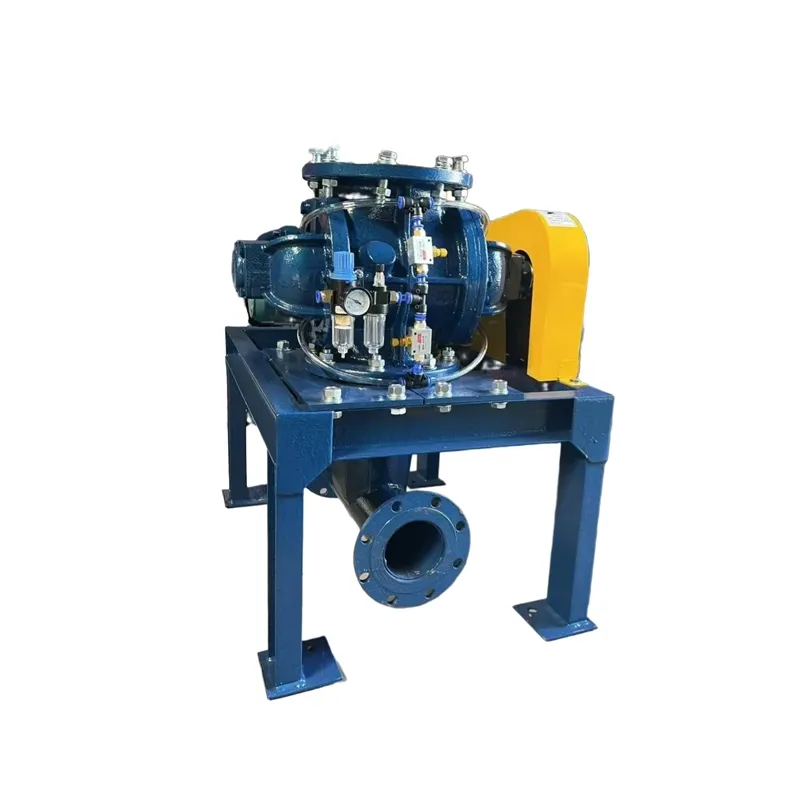
Material handling operations demand efficiency, reliability, and consistent throughput to remain competitive in today's industrial landscape. A high pressure blower serves as a critical component in these systems, enabling facilities to move bulk materials, powders, and granules with precision and speed. Whether conveying cement, chemicals, food ingredients, or minerals, the right blower technology directly impacts production rates, operational costs, and system reliability.
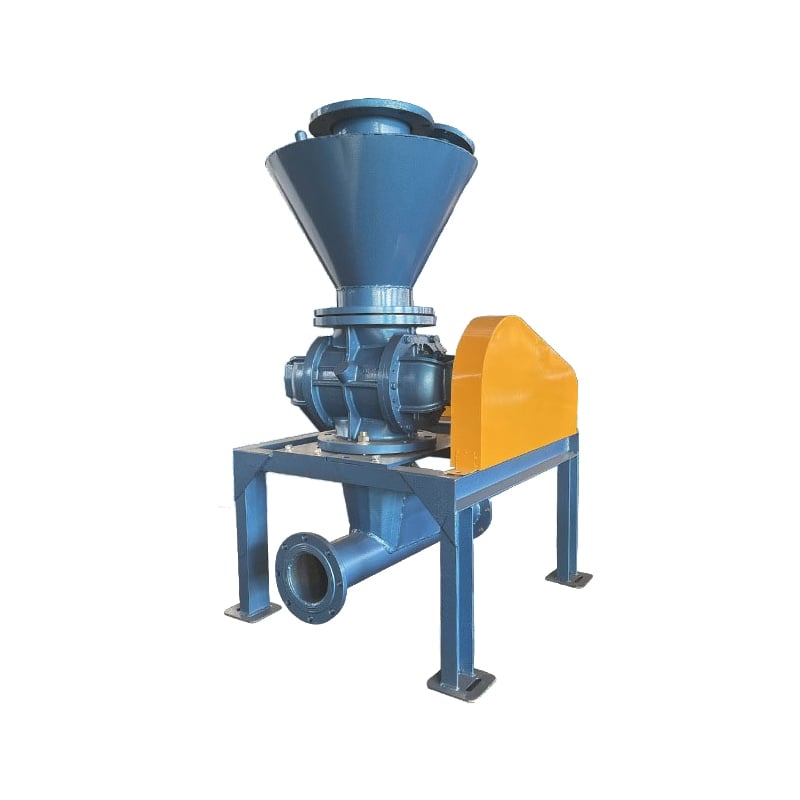
Industrial air compression systems represent a significant investment in facility infrastructure, and selecting the optimal blower type determines both short-term performance and long-term operational success. Understanding how centrifugal blower applications and positive displacement blower specifications function in material handling workflows allows operators and plant managers to make informed decisions about equipment selection, maintenance strategies, and productivity improvements.
How High Pressure Blowers Enhance Material Flow and Throughput
Direct Impact on Conveying Speed
A high pressure blower generates the sustained air pressure and volume required to move materials consistently through pneumatic conveying lines without degradation or separation. In dense-phase and dilute-phase conveyance systems, pressure consistency prevents material accumulation, blockages, and line stoppages that interrupt production. When industrial air compression systems deliver steady pressure across the entire conveying pipeline, materials move at predictable speeds, reducing cycle time per batch and increasing daily throughput capacity. Facilities can transport heavier loads or process more material volume within the same operating window, directly translating pressure performance into productivity gains.
Reduction in System Downtime and Maintenance Intervals
Properly sized positive displacement blower specifications minimize stress on conveying equipment, including piping, elbows, and discharge points. When pressure remains optimal and consistent, materials flow smoothly without excessive turbulence or impact forces that damage product quality or wear system components prematurely. Centrifugal blower applications in certain material handling environments provide energy-efficient operation during partial-load conditions, reducing heat generation and extending maintenance intervals. Fewer emergency repairs and unplanned shutdowns translate directly into continuous production and higher overall equipment effectiveness.
Technical Specifications and Selection Criteria for Material Handling Applications
Understanding Positive Displacement Blower Specifications
Positive displacement blower specifications define how much air volume the unit delivers per minute at a given pressure differential. These blowers operate by trapping and forcing air between rotating elements and the housing, ensuring consistent delivery regardless of downstream pressure fluctuations. For material handling, this consistency proves essential when conveying dense or difficult-to-move materials that require steady pressure throughout the line. Industrial air compression systems using positive displacement technology excel in applications requiring high pressure at moderate volumes, such as dense-phase pneumatic conveying of heavy powders or abrasive materials. Selection criteria include displacement volume measured in cubic feet per minute (CFM), maximum operating pressure in pounds per square inch (PSI), and temperature tolerance for heated or cooled air requirements.
Centrifugal Blower Applications in Industrial Settings
Centrifugal blower applications leverage rotating impellers to accelerate air radially outward, creating pressure through velocity conversion. These units excel in applications requiring high volumes at lower pressures, making them suitable for dilute-phase conveying where material concentration is low and air velocity drives movement. Industrial air compression systems employing centrifugal technology generate lower noise levels and offer scalability to very large volume requirements compared to positive displacement alternatives. However, centrifugal blowers experience performance variation with pressure changes; careful matching to system requirements ensures efficiency. Selection focuses on impeller design, inlet conditions, discharge configuration, and motor horsepower requirements relative to specific material properties and line geometry.
Practical Integration and Performance Optimization in Production Lines
System Design Considerations for Maximum Productivity
Effective integration of a high pressure blower into existing material handling infrastructure requires careful analysis of line geometry, material characteristics, and production targets. System designers must account for friction losses across pipes and fittings, elevation changes, and distance from blower to discharge point when sizing industrial air compression systems. Undersized equipment creates bottlenecks and reduced throughput; oversized systems waste energy and generate unnecessary operating costs. Modern material handling systems often employ variable frequency drives (VFDs) paired with blower units to adjust pressure and flow dynamically based on real-time demand, maximizing both productivity and energy efficiency. Proper installation, including isolation mounts to reduce vibration and sound dampening, ensures smooth operation and extends equipment lifespan while maintaining worker safety standards.
Material-Specific Optimization Strategies
Different bulk materials respond differently to pneumatic conveying, and blower selection must match those characteristics. Fine powders prone to fluidization benefit from precise pressure control offered by positive displacement blower specifications, while granular materials move effectively with centrifugal blower applications delivering high volume. Temperature-sensitive materials may require cooled intake air or specialized housing designs to prevent degradation during transport. Industrial air compression systems serving food processing, pharmaceutical, or chemical applications must maintain airtightness and cleanliness to protect product integrity. Regular monitoring of pressure gauges, flow meters, and material discharge quality helps operators maintain peak performance and identify when maintenance or system adjustments become necessary to sustain productivity improvements over time.
FAQ
What is the primary benefit of using a high pressure blower in pneumatic conveying systems?
The primary benefit is consistent, reliable material movement that increases throughput and reduces operational interruptions. A properly selected high pressure blower maintains stable pressure throughout the conveying line, preventing blockages, material degradation, and equipment stress. This consistency enables facilities to process more material in the same timeframe or handle denser material loads, directly improving production productivity and cost efficiency.
How do positive displacement blower specifications differ from centrifugal blower applications?
Positive displacement blower specifications guarantee fixed volume delivery at increasing pressure, making them ideal for dense-phase conveying of heavy materials requiring sustained pressure. Centrifugal blower applications generate pressure through velocity and perform well at high volumes with lower pressure requirements, suiting dilute-phase conveying. The choice depends on material type, distance, elevation, and required line capacity; industrial air compression systems engineers select the technology that best matches these specific operational demands.
Can upgrading to a high pressure blower reduce total operating costs?
Yes, upgrading often reduces total cost through improved efficiency, fewer maintenance events, and faster material processing cycles. Modern industrial air compression systems equipped with variable frequency drives adjust output to match actual demand, avoiding energy waste. Fewer system failures and extended maintenance intervals lower downtime-related losses. Higher productivity per operational cycle and reduced product loss through degradation further justify equipment investment in most material handling applications.