
 EN
EN
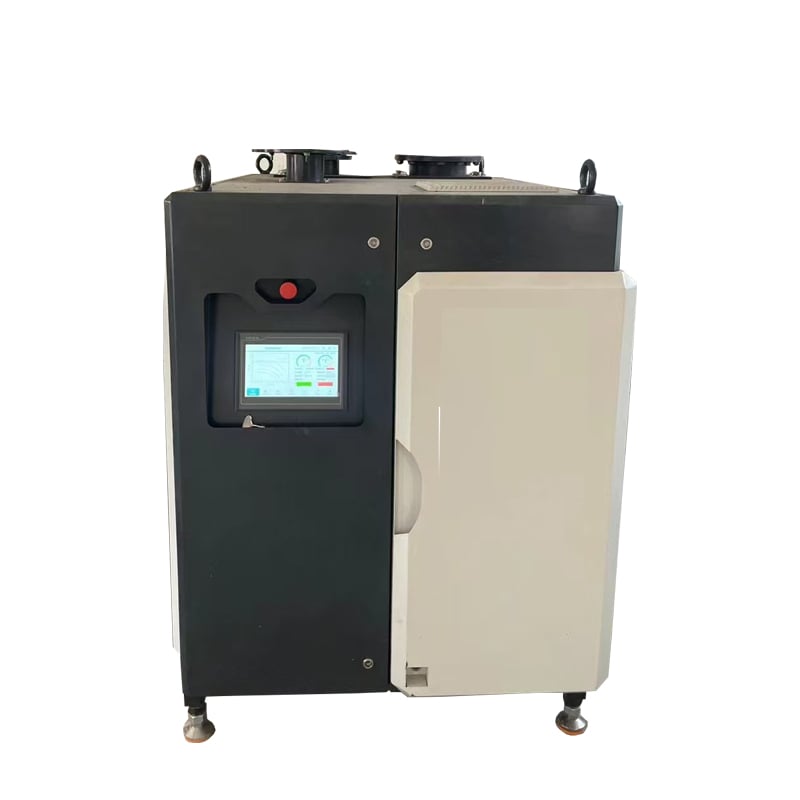
Engineering teams across industries are increasingly adopting magnetic levitation blower systems as a strategic solution for advanced cooling and air circulation needs. The shift toward this technology reflects a fundamental change in how industrial operations approach reliability, efficiency, and maintenance challenges. Unlike traditional mechanical bearing systems, contactless cooling fan technology eliminates friction-based wear, reduces energy consumption, and extends equipment lifespan significantly. Engineering projects that demand precision cooling, minimal downtime, and long-term cost savings are discovering that this innovation delivers measurable advantages across critical applications.
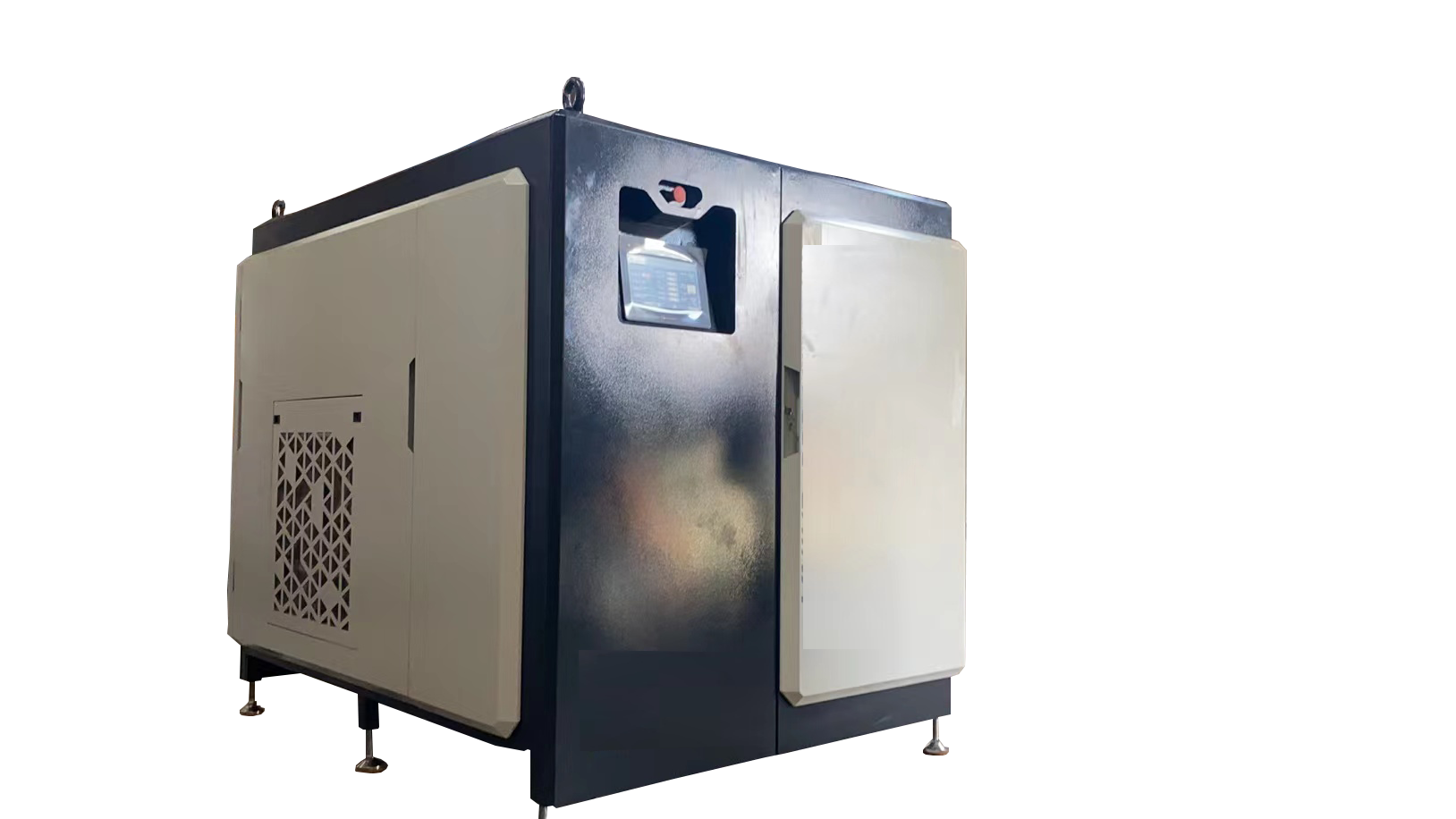
The adoption of non-contact bearing air circulation systems represents more than a simple equipment upgrade. It signals recognition among project engineers that traditional bearing-dependent cooling solutions create hidden operational costs through lubrication maintenance, seal replacement, vibration issues, and eventual bearing failure. A non-contact bearing air circulation system eliminates these mechanical vulnerabilities entirely, allowing projects to operate continuously without scheduled bearing interventions. This fundamental shift in engineering philosophy has driven widespread interest in magnetic suspension ventilation applications across semiconductor manufacturing, data centers, precision laboratories, and high-performance industrial environments.
The Core Advantage of Contactless Cooling Technology
Eliminating Mechanical Friction and Wear
The primary engineering benefit of contactless cooling fan technology lies in its complete removal of mechanical bearing contact. Traditional centrifugal fans rely on rolling element or sleeve bearings to support rotating shafts, and these bearings inevitably experience wear over thousands of operational hours. Magnetic levitation blower systems suspend the impeller using electromagnetic forces, meaning the spinning assembly never physically touches stationary components. This elimination of friction dramatically reduces vibration, heat generation, and noise pollution within the equipment enclosure. Engineering teams report that projects using non-contact bearing air circulation systems achieve operational noise levels 30% to 40% lower than conventional alternatives, creating safer work environments and reducing acoustic stress on sensitive equipment.
Extended Service Intervals and Reliability
Magnetic suspension ventilation applications deliver exceptional reliability because they remove the wear mechanisms that typically limit equipment lifespan. A traditional blower system may require bearing maintenance every 12 to 24 months, depending on environmental conditions and operational intensity. In contrast, contactless cooling fan technology exhibits essentially zero mechanical wear in the primary rotating assembly. Engineering projects can extend maintenance intervals to 5 to 7 years or longer, dramatically reducing unexpected downtime and operational disruption. This reliability advantage proves especially critical in applications where service interruptions create cascading operational failures, such as data center cooling systems or continuous-process manufacturing environments.
Energy Efficiency and Operational Cost Reduction
Lower Power Consumption Through Friction Elimination
A magnetic levitation blower consumes less electrical energy than traditional bearing-based fans because electromagnetic suspension eliminates the constant friction losses inherent in mechanical bearings. Every bearing system, no matter how precisely manufactured, generates heat through rolling resistance and seal friction. This wasted energy translates directly into higher operating costs and increased thermal load on facility cooling infrastructure. Contactless cooling fan technology redirects this energy toward useful air circulation rather than heat generation. Engineering projects monitoring power consumption typically observe 15% to 25% reductions in blower-specific energy usage, with cumulative savings becoming substantial over years of continuous operation.
Thermal Management and System Stability
The heat reduction achieved through non-contact bearing air circulation systems extends beyond the blower itself, creating secondary energy advantages throughout the cooling loop. Traditional bearings require continuous lubrication, and bearing friction converts some of this lubricant's coolant properties into localized heat zones. This thermal instability can trigger temperature fluctuations in sensitive equipment cooling systems, forcing facility management to operate at more conservative setpoints to prevent bearing overheating. Magnetic suspension ventilation applications maintain stable, predictable thermal profiles because the contactless design eliminates bearing-related heat spikes. This stability allows engineers to optimize facility cooling strategies more aggressively, achieving additional energy savings across the entire air handling and heat rejection infrastructure.
Performance Advantages in Demanding Applications
Precision Control and Variable Speed Operation
Contactless cooling fan technology enables more precise and responsive speed modulation compared to traditional bearing-dependent systems. A magnetic levitation blower can adjust rotational speed instantly in response to thermal demand signals without the response lag characteristic of bearing-lubricated systems. Non-contact bearing air circulation systems respond to temperature sensors and control signals with millisecond precision, allowing facility management systems to maintain tighter temperature windows in critical environments. Engineering projects in precision semiconductor manufacturing, pharmaceutical processing, and advanced research facilities leverage this capability to achieve thermal stability that mechanical bearing systems cannot deliver, directly supporting product quality and process consistency.
Vibration Reduction and Acoustic Benefits
Magnetic suspension ventilation applications produce significantly lower vibration signatures than conventional blowers, which translates into reduced structural stress and acoustic noise. Traditional bearing systems generate characteristic vibration patterns as rolling elements cycle through load zones, creating audible noise and transmitting vibration through equipment mounting structures. A magnetic levitation blower eliminates this cyclical bearing vibration, operating with smooth electromagnetic suspension throughout the operating range. Engineering teams report that projects incorporating contactless cooling fan technology achieve acoustic performance 8 to 12 decibels lower than baseline mechanical systems, creating measurable improvements in workplace conditions and reducing potential environmental noise compliance issues.
FAQ
What maintenance is required for a magnetic levitation blower system?
A magnetic levitation blower requires minimal maintenance compared to traditional bearing systems because it eliminates the wear mechanisms that necessitate bearing replacement, lubrication changes, and seal inspections. The non-contact bearing air circulation system needs periodic electromagnetic calibration checks and occasional monitoring of the suspension control system, but these intervals are dramatically longer than bearing maintenance cycles. Most contactless cooling fan technology installations require professional service only every 3 to 5 years, primarily consisting of sensor verification and electromagnetic system diagnostics rather than component replacement.
How does a non-contact bearing air circulation system handle shock or vibration from external sources?
Magnetic suspension ventilation applications incorporate sophisticated control systems that automatically compensate for external shock loads by adjusting electromagnetic suspension force in real-time. The active electromagnetic suspension responds dynamically to maintain the rotor in the optimal position even when external vibration or transient loads occur. This active stabilization actually provides superior shock protection compared to passive mechanical bearings, which can experience impact loads that exceed their load ratings. Engineering projects in environments with occasional mechanical shock or vibration benefit from this adaptive response capability, which maintains system stability and prevents cascading failures.
Are magnetic levitation blowers suitable for all industrial cooling applications?
Magnetic levitation blower technology is most advantageous in applications demanding high reliability, extended service intervals, and precise thermal control, including data centers, semiconductor fabrication, pharmaceutical facilities, and advanced laboratories. Contactless cooling fan technology performs exceptionally well in continuous-duty applications where downtime carries significant operational or financial consequences. However, some cost-sensitive applications with minimal maintenance sophistication may continue using traditional bearing systems due to initial capital cost differences. Engineering teams evaluating non-contact bearing air circulation systems should conduct lifecycle cost analysis comparing capital investment against maintenance savings, energy efficiency gains, and operational reliability benefits specific to their magnetic suspension ventilation applications.