
 EN
EN
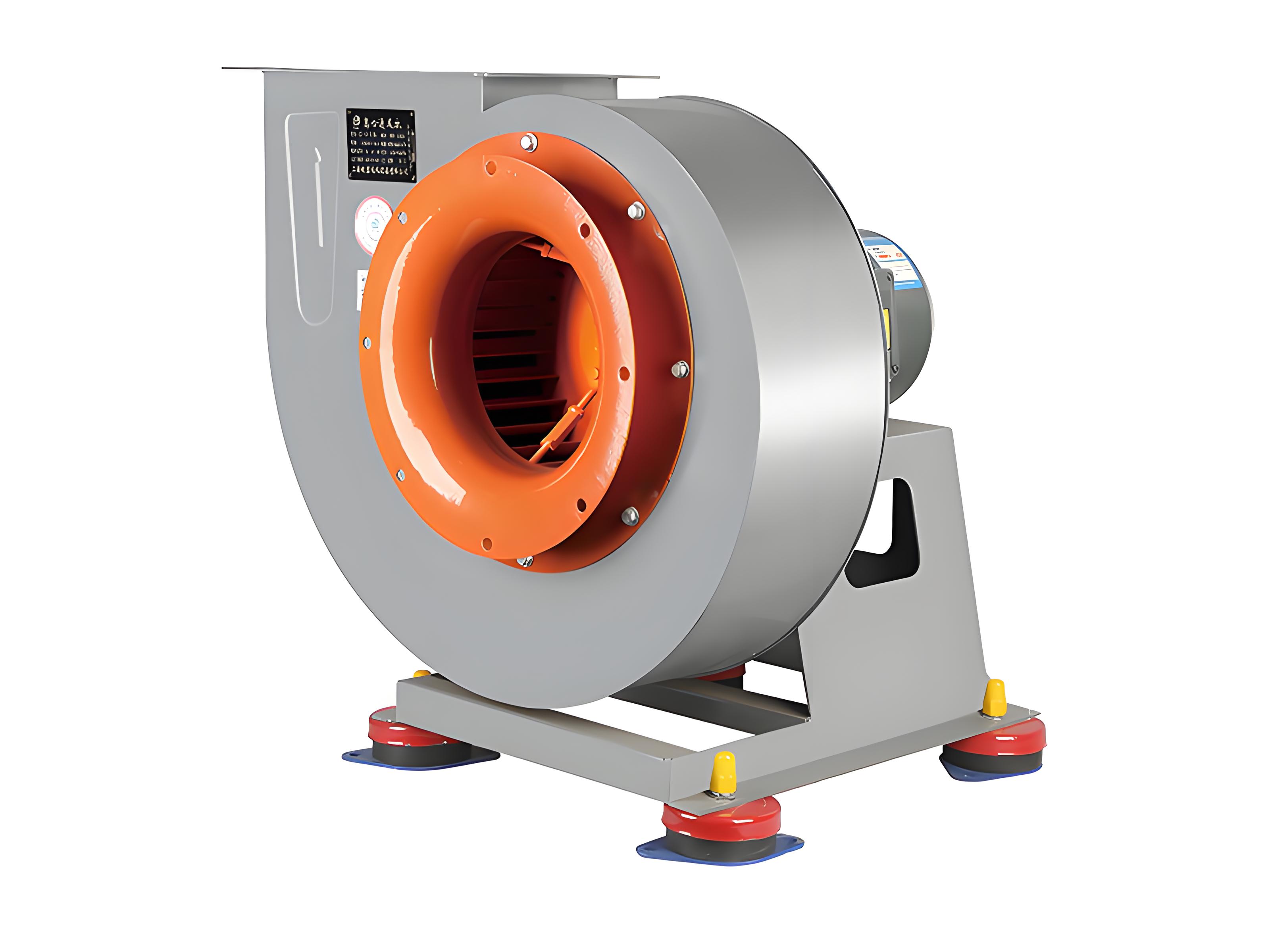
Industrial facilities consume enormous amounts of energy to move air and gases through production processes, ventilation systems, and material handling equipment. Traditional bearing-based fans generate friction losses, mechanical wear, and substantial operational costs that accumulate over years of continuous operation. A magnetic levitation blower represents a fundamental shift in how industrial systems can achieve energy efficiency by eliminating physical contact between rotating and stationary components.
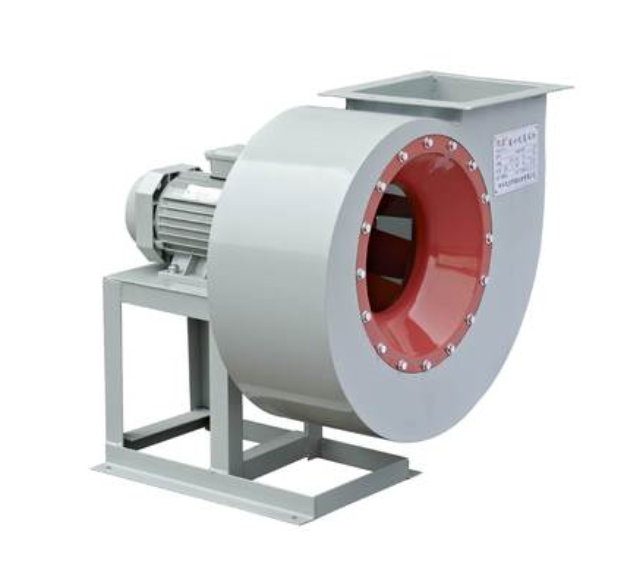
Understanding the mechanics of contactless air circulation technology reveals why this innovation delivers measurable energy reductions across diverse industrial applications. By leveraging magnetic bearing fan systems instead of conventional roller or ball bearings, facilities can significantly decrease friction, heat generation, and power consumption while extending equipment lifespan and reducing maintenance interruptions.
How Magnetic Bearing Fan Systems Eliminate Friction Losses
Understanding Contactless Air Circulation Technology
Contactless air circulation technology operates on the principle of magnetic suspension, where permanent magnets and active magnetic bearing systems suspend the rotor without any mechanical contact. Traditional fans rely on physical bearing surfaces that experience continuous friction as the shaft rotates at high speeds, typically ranging from 5,000 to 50,000 RPM in industrial applications. This friction generates heat, consumes electrical energy, and causes progressive wear that eventually requires bearing replacement. A magnetic levitation blower eliminates these contact points entirely, allowing the rotor to spin within a magnetic field that provides both radial and axial support.
Energy Loss Reduction Through Magnetic Suspension
The energy savings from magnetic bearing fan systems stem directly from friction elimination. Conventional roller bearings typically exhibit friction coefficients between 0.001 and 0.002, which translates to 2–5 percent of total motor power being wasted as heat at typical industrial speeds. Magnetic levitation blower systems reduce this loss to less than 0.5 percent because the rotor floats on magnetic fields rather than rolling over surfaces. For a 100-kilowatt fan operating continuously in a manufacturing facility, this difference can equate to 2–5 kilowatts of recovered power annually. Over a facility's operating lifetime, such efficiency gains compound into substantial cost reductions and lower carbon footprints.
Energy Efficiency Benefits Across Industrial Processes
Operational Cost Reduction and Levitation Blower Energy Efficiency
Levitation blower energy efficiency creates multiple economic advantages beyond simple power consumption reduction. Facilities operating contactless air circulation technology experience lower cooling requirements because less waste heat is generated by the fan itself. This secondary benefit reduces the load on facility air conditioning systems, further compressing overall energy demand. Additionally, magnetic bearing fan systems require minimal maintenance since there are no bearing surfaces to wear down, no lubrication schedules to maintain, and no seal failures to address. Maintenance costs for traditional fans typically run 15–25 percent of annual equipment operation expenses, whereas magnetic levitation blower systems operate with predictable, minimal maintenance demands.
Consistency and Performance Reliability
Industrial processes require consistent airflow and pressure delivery to function effectively. Magnetic bearing fan systems maintain stable performance characteristics throughout their operational life because there is no progressive degradation from bearing wear. Traditional bearing-based equipment experiences gradually increasing vibration and decreasing efficiency as contact surfaces degrade. By contrast, contactless air circulation technology delivers constant efficiency across the equipment lifecycle, ensuring that energy consumption projections remain accurate year after year. This predictability allows facility managers to budget energy costs with greater precision and confidence.
Implementation Considerations and Industrial Applications
System Integration and Compatibility
Integrating a magnetic levitation blower into existing industrial systems requires careful evaluation of installation requirements, control interfaces, and operational parameters. Most modern magnetic bearing fan systems feature standard motor connections and control protocols compatible with industrial automation frameworks. The transition from traditional fans to contactless air circulation technology typically involves minimal facility redesign since the footprint and mounting arrangements often match conventional equipment. Facility engineers should verify that electrical infrastructure can support the initial startup current and that control systems can communicate with integrated sensors that monitor magnetic field parameters and rotor position.
Levitation Blower Energy Efficiency in Specific Applications
Magnetic bearing fan systems deliver particular value in applications where continuous operation, high reliability, and energy minimization align with business objectives. Semiconductor manufacturing facilities, pharmaceutical production environments, and data center cooling systems benefit significantly from the reduced maintenance downtime and consistent performance that contactless air circulation technology provides. Food processing operations appreciate the elimination of bearing grease and lubricant contamination risks inherent to traditional fans. Chemical facilities reduce explosion hazard concerns because magnetic levitation blower systems generate less heat and vibration than friction-based alternatives. Process cooling applications, material conveying systems, and ventilation networks all experience measurable efficiency improvements through adoption of magnetic bearing fan systems.
FAQ
What is the typical energy savings percentage when switching to a magnetic levitation blower?
Most industrial facilities observe energy savings ranging from 5 to 15 percent when transitioning from conventional bearing-based fans to contactless air circulation technology. The exact percentage depends on the original equipment's condition, motor size, operational hours, and application profile. Well-maintained traditional fans typically show 5–8 percent savings, while older or heavily-loaded systems often achieve 10–15 percent reductions. Magnetic levitation blower systems designed specifically for your application may deliver higher efficiency gains through optimized aerodynamic performance in addition to friction elimination benefits.
How does a magnetic bearing fan system handle emergency shutdowns or power loss events?
Modern magnetic levitation blower systems incorporate passive magnetic bearings and mechanical backup bearings that engage automatically if active magnetic fields are interrupted. During normal operation, the rotor floats on active magnetic fields provided by electromagnets. If power is suddenly lost, permanent magnets maintain some suspension capability while mechanical backup bearings engage to support the rotor safely as it decelerates. This dual-support architecture ensures that sudden power interruptions do not cause catastrophic bearing damage or extended downtime. Facility managers should verify that any contactless air circulation technology installation includes these safety features and test the backup bearing engagement annually.
Are maintenance requirements truly minimal for magnetic bearing fan systems?
Magnetic bearing fan systems require significantly less maintenance than traditional fans, but they are not maintenance-free. Regular monitoring of magnetic field parameters, rotor position sensors, and active control systems ensures optimal performance and early detection of any anomalies. Levitation blower energy efficiency remains highest when these monitoring systems function properly and control algorithms receive regular software updates from manufacturers. Preventive maintenance intervals for magnetic levitation blower equipment typically extend to 3–5 years rather than the 12–18 month cycles common for friction-based fans, resulting in substantially lower labor costs and reduced production interruptions.