
 EN
EN
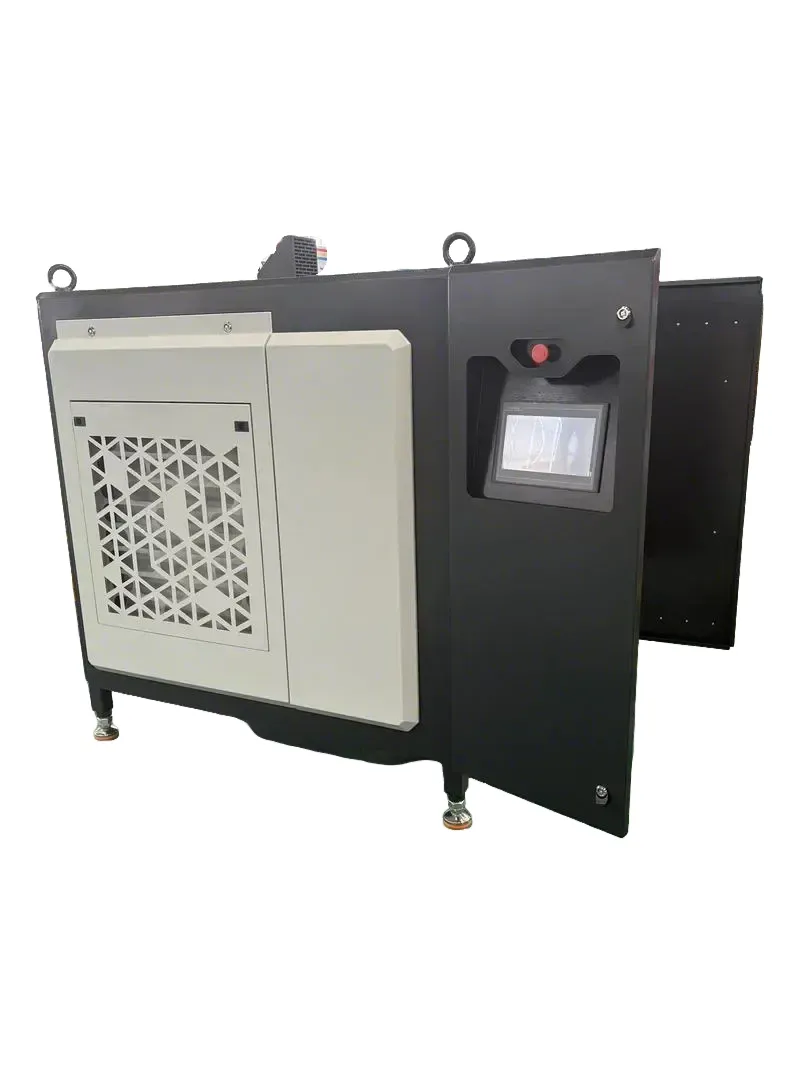
A magnetic levitation blower represents a significant technological advancement in industrial air movement and cooling systems. Unlike traditional blowers that rely on mechanical bearings and physical contact between rotating components, this innovative approach uses magnetic fields to suspend and support the impeller during operation. The contactless air circulation technology eliminates friction points that have plagued conventional designs for decades, creating measurable improvements across efficiency, longevity, and operational reliability.
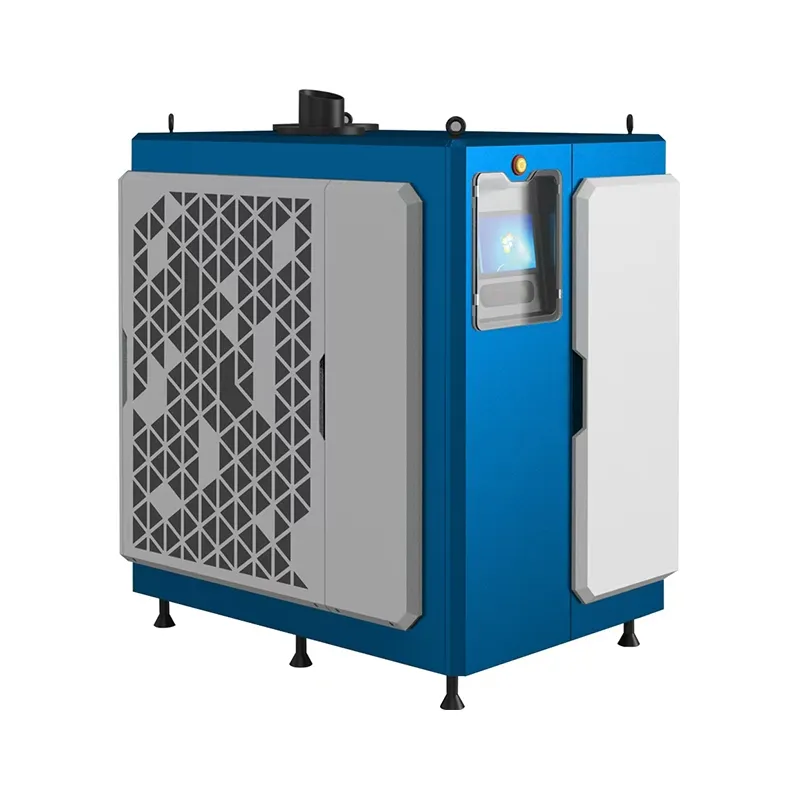
The advantages of maglev fan energy efficiency have become increasingly important as industrial facilities face rising operational costs and stricter environmental regulations. Organizations seeking to reduce energy consumption, minimize maintenance interruptions, and extend equipment lifespan have begun transitioning from conventional bearing systems to magnetic bearing fan cooling systems. This shift reflects a growing recognition that upfront investment in superior technology delivers substantial returns through reduced downtime, lower power demand, and extended service intervals.
Energy Efficiency and Power Consumption Reduction
Superior Efficiency Through Contactless Operation
The contactless air circulation technology eliminates mechanical friction that consumes energy in traditional blowers. In conventional systems, ball bearings and mechanical seals generate continuous resistance as the impeller rotates, requiring additional motor power to overcome this friction. A magnetic levitation blower suspends the rotor using precisely controlled magnetic fields, removing all physical contact between moving parts. This frictionless operation directly translates to reduced electrical demand, with many industrial applications reporting 10 to 15 percent lower power consumption compared to equivalent traditional equipment.
The maglev fan energy efficiency advantage extends beyond simple friction reduction. Magnetic bearing fan cooling systems maintain consistent alignment and stability throughout operation, minimizing vibration and ensuring optimal aerodynamic performance. When the impeller rotates with minimal deviation from its ideal path, air movement becomes more efficient, requiring less rotational energy to achieve the same volume and pressure delivery. This compound effect creates substantial energy savings over extended operating periods.
Long-Term Cost Benefits and ROI
Energy savings from a magnetic levitation blower accumulate significantly over months and years of continuous operation. A facility running a 10-kilowatt equivalent magnetic bearing fan cooling system twenty-four hours daily reduces monthly electricity consumption by approximately 100 to 150 kilowatt-hours compared to a conventional system. Multiplied across annual operation, the power cost reduction alone often covers 30 to 40 percent of the premium investment required for contactless air circulation technology. When paired with reduced maintenance expenses, the return on investment becomes compelling for long-term industrial deployments.
Reliability, Maintenance, and System Lifespan
Elimination of Bearing Wear and Replacement Cycles
Traditional blowers depend on mechanical bearings that gradually wear under continuous friction, heat, and load stress. These components typically require replacement every 5,000 to 10,000 operating hours, creating planned and unplanned maintenance events that disrupt production schedules. A magnetic levitation blower eliminates this wear mechanism entirely by removing physical contact between the rotor and stator. Without bearing degradation to monitor, the maglev fan energy efficiency remains constant throughout the equipment's operational life, and maintenance intervals extend dramatically.
The magnetic bearing fan cooling system requires significantly fewer replacement parts than conventional designs. Cooling systems that once needed quarterly inspections, seasonal bearing changes, and annual seal replacements now operate for extended periods with minimal intervention. Many industrial users report operating magnetic levitation blower installations for 50,000 hours or more without major component replacement. This operational longevity reduces both material costs and the labor expenses associated with routine maintenance scheduling.
Reduced Downtime and Predictable Operation
Unplanned equipment failures in cooling or circulation systems can force production shutdowns, creating direct revenue loss beyond repair costs. Traditional blowers fail unpredictably when bearing degradation reaches critical points, often without warning indicators. The contactless air circulation technology embedded in a magnetic levitation blower operates with inherent stability and predictability. Without wearing parts approaching failure thresholds, the risk of sudden breakdowns decreases substantially. Many industrial facilities experience 99.5 percent uptime or better with magnetic bearing fan cooling systems, compared to 95 to 98 percent typical of conventional equipment.
Noise Reduction and Operating Comfort
Quieter Operation Through Frictionless Design
Mechanical bearings in traditional blowers generate vibration and noise as friction points create micro-movements and acoustic resonance. A magnetic levitation blower operates with virtually no vibration, as the magnetic fields provide stable suspension throughout the entire rotational speed range. The maglev fan energy efficiency includes the absence of noise typically associated with bearing friction, resulting in systems that operate 5 to 10 decibels quieter than conventional equipment. This noise reduction creates tangible benefits in environments where acoustic levels affect worker comfort or where equipment proximity to occupied spaces demands lower sound signatures.
The contactless air circulation technology maintains consistent magnetic alignment, preventing the micro-oscillations that cause traditional bearing systems to emit audible hum at certain speeds. Facilities housing magnetic bearing fan cooling systems experience noticeably improved acoustic environments, reducing hearing protection requirements and contributing to overall workplace safety. This advantage becomes especially valuable in facilities operating multiple blowers simultaneously, where combined noise reduction from several magnetic levitation blower units creates cumulative comfort improvements.
FAQ
How much energy does a magnetic levitation blower actually save compared to traditional systems?
Most industrial applications report 10 to 15 percent reduction in electrical power consumption when replacing conventional blowers with a magnetic levitation blower. A facility operating a 10-kilowatt equivalent system continuously can save 100 to 150 kilowatt-hours monthly. Exact savings depend on operating hours, load profile, and the specific traditional system being replaced. The contactless air circulation technology delivers consistent efficiency gains that compound over extended operating periods, often generating energy cost reductions exceeding the upfront equipment premium within three to five years.
What is the typical lifespan of a magnetic bearing fan cooling system?
A magnetic levitation blower typically operates for 50,000 to 100,000 hours without requiring major component replacement, compared to 5,000 to 10,000 hours for conventional bearing systems. The contactless air circulation technology eliminates the wear mechanism that limits traditional equipment lifespan. Many industrial users report continuous operation for ten years or longer with minimal maintenance beyond routine filter changes and periodic system inspections. The actual lifespan depends on operating conditions, load profile, and facility maintenance practices.
Can magnetic bearing fan cooling systems handle high-pressure and high-temperature applications?
Yes, magnetic levitation blower technology performs reliably across demanding industrial applications including high-pressure and elevated-temperature environments. The maglev fan energy efficiency and stability remain consistent even under challenging operating conditions because magnetic suspension eliminates the mechanical constraints that limit traditional systems. Industrial facilities use magnetic bearing fan cooling systems in semiconductor manufacturing, pharmaceutical processing, and high-performance cooling applications where reliability and precision are critical requirements. Application-specific design ensures the contactless air circulation technology delivers optimal performance within required pressure and temperature ranges.