
 EN
EN
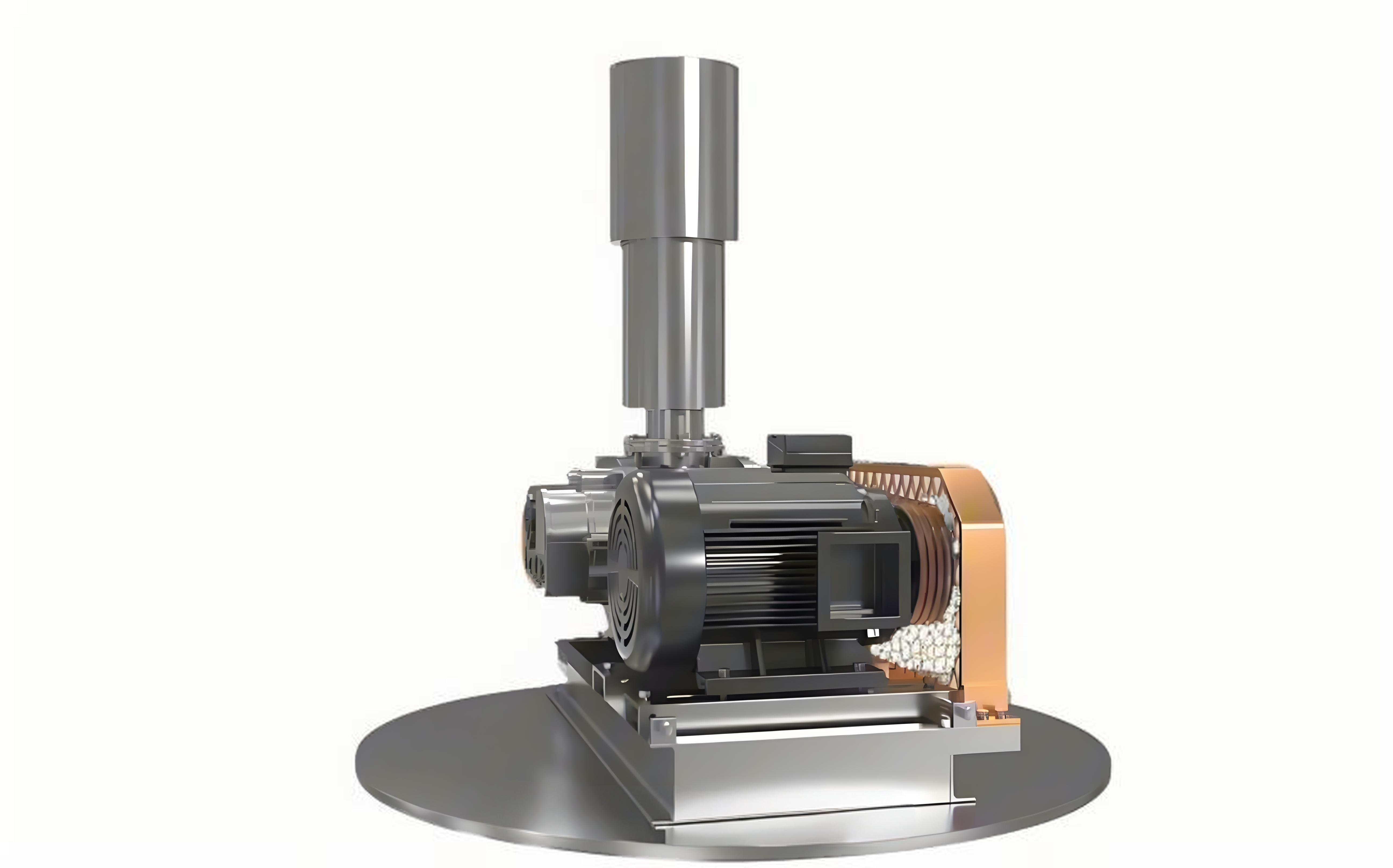
A roots blower vacuum pump represents one of the most effective solutions for manufacturing and industrial operations seeking measurable improvements in production efficiency. These positive displacement vacuum pump applications deliver consistent airflow and pressure control that directly translates to faster cycle times, reduced energy waste, and improved overall system reliability. Understanding how this equipment works and where to deploy it is critical for operations managers and production engineers looking to optimize throughput without compromising equipment longevity or safety standards.
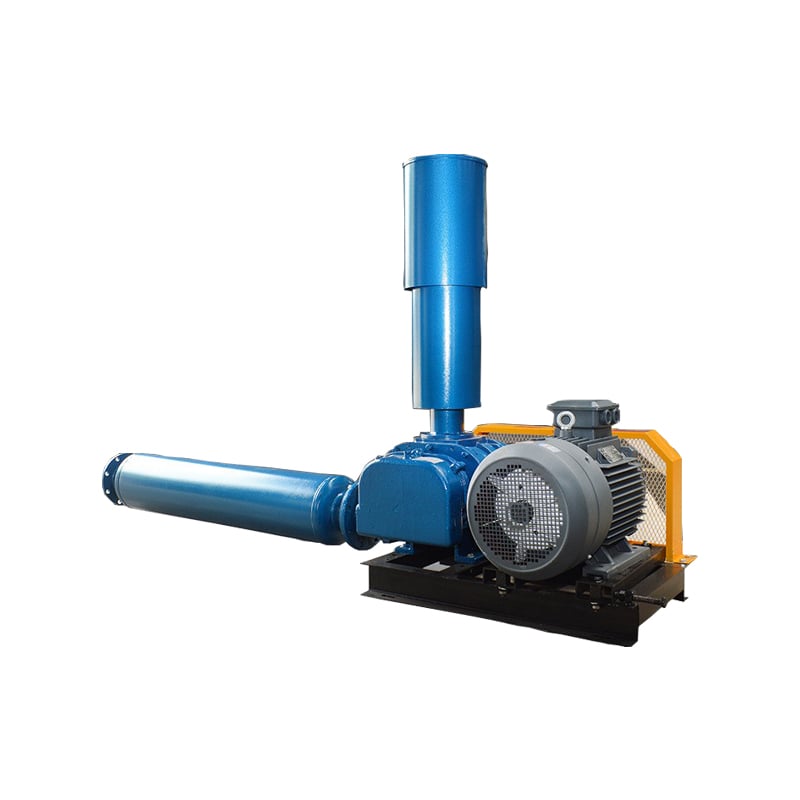
Industrial vacuum system performance requirements continue to become more demanding as manufacturers scale operations and compete on both speed and cost. The rotary lobe blower pressure specifications available today enable facilities to maintain precise vacuum levels during critical production phases, whether in food processing, chemical transfer, or material handling applications. By selecting the right equipment and implementing it strategically, production teams can unlock hidden capacity and reduce operational bottlenecks that commonly limit throughput.
Mechanical Advantages of Positive Displacement Vacuum Pump Applications
How Rotary Motion Drives Consistent Vacuum Generation
The core strength of a roots blower vacuum pump lies in its simple yet effective rotary lobe mechanism. Two figure-eight shaped rotors spin in opposite directions within a sealed chamber, creating expanding and contracting volumes that pull air from the inlet and discharge it at the outlet. This positive displacement design guarantees a fixed volume of air moves per revolution, independent of downstream pressure variations. Unlike centrifugal pumps that lose efficiency when facing resistance, positive displacement vacuum pump applications maintain steady performance across a wide range of operating conditions, making them ideal for industries with fluctuating demand or variable load scenarios.
Energy Efficiency Through Consistent Displacement
Production managers often overlook how equipment design directly affects utility bills. A rotary lobe blower pressure specifications system operates at predictable energy levels because displacement remains constant; the motor doesn't waste power fighting pressure spikes or searching for equilibrium. When integrated into industrial vacuum system performance requirements protocols, this consistency reduces peak load demand on electrical infrastructure. Facilities typically see 15–25 percent energy savings compared to variable-displacement alternatives, translating to lower monthly operating costs while maintaining identical production output.
Direct Production Efficiency Gains
Faster Cycle Times Through Reliable Vacuum Maintenance
Production lines depend on reaching and holding target vacuum levels quickly. A roots blower vacuum pump achieves rapid evacuation because the rotor design eliminates the pulsing losses common in other positive displacement vacuum pump applications. In packaging operations, material transfer systems, and component assembly lines, every second of faster cycle time compounds into substantial daily output gains. When a facility processes thousands of units daily, even a two or three second improvement per cycle multiplies into hundreds of additional completed products, directly boosting revenue without capital expansion.
Reduced Downtime and Maintenance Burden
Industrial vacuum system performance requirements demand equipment that operates reliably over extended periods. Roots blower technology uses simple, robust construction with minimal wear surfaces, resulting in lower maintenance schedules compared to alternative vacuum generation methods. Fewer breakdowns mean fewer unplanned production halts, which devastate both output targets and team morale. The straightforward rotary lobe blower pressure specifications design also simplifies troubleshooting when issues do arise, enabling faster recovery and reducing the expertise required from maintenance staff.
Strategic Implementation for Measurable Results
Matching Equipment Specifications to Application Demands
Not every positive displacement vacuum pump applications situation requires identical equipment. Production engineers must evaluate specific industrial vacuum system performance requirements by analyzing inlet pressures, outlet pressures, required displacement volume, and duty cycle patterns. A roots blower vacuum pump sized correctly for the workload operates in its optimal efficiency band, whereas undersized units struggle and oversized equipment wastes energy. Consulting detailed rotary lobe blower pressure specifications allows teams to select units that balance performance, cost, and reliability rather than defaulting to larger or smaller equipment based on guesswork.
Integration with Existing Production Infrastructure
Installing positive displacement vacuum pump applications into established production lines requires planning to minimize disruption. Modern roots blower vacuum pump units often fit into existing footprints, use standard connection interfaces, and operate quietly compared to older alternative technologies. Phased implementation strategies allow facilities to demonstrate efficiency gains in one production zone, build internal expertise, and then expand deployment. This measured approach reduces perceived risk and builds staff confidence in the new equipment before full-scale commitment.
Monitoring and Optimization Protocols
Once installed, industrial vacuum system performance requirements monitoring becomes essential to sustain efficiency gains. Regular pressure readings, flow measurements, and energy consumption tracking reveal whether the rotary lobe blower pressure specifications remain optimal or whether adjustments improve results further. Digital monitoring systems alert teams to early warning signs of wear or degradation, enabling preventive maintenance before failures impact production. This data-driven approach transforms the roots blower vacuum pump from a static asset into a dynamic performance lever continuously optimized for maximum contribution.
FAQ
Can a roots blower vacuum pump replace my existing vacuum system immediately?
In most cases, yes, provided your facility's industrial vacuum system performance requirements align with the equipment's rated capacity and pressure specifications. Positive displacement vacuum pump applications typically require less installation time than complete system overhauls. However, professional assessment of existing connections, control integration, and duty cycle patterns ensures smooth transition and prevents costly mistakes.
What industrial vacuum system performance requirements should I prioritize when comparing rotary lobe blower pressure specifications?
Focus first on the maximum flow rate required during peak production, the lowest inlet pressure your application demands, and the outlet pressure resistance the pump must overcome. Positive displacement vacuum pump applications also benefit from attention to duty cycle patterns—continuous operation versus intermittent demand shapes which equipment performs best. Energy consumption per unit of displacement should factor heavily into long-term cost analysis.
How does a roots blower vacuum pump compare to other positive displacement vacuum pump applications for food and chemical processing?
Roots blower technology excels in food and chemical processing because rotary lobe blower pressure specifications deliver consistent, oil-free operation suitable for contamination-sensitive environments. Unlike liquid-sealed alternatives, a roots blower vacuum pump requires no special coolant management, simplifying compliance with food safety standards. The straightforward design also means faster startup from cold conditions, which matters for batch processing operations requiring frequent system cycling.
Table of Contents
- Mechanical Advantages of Positive Displacement Vacuum Pump Applications
- Direct Production Efficiency Gains
- Strategic Implementation for Measurable Results
-
FAQ
- Can a roots blower vacuum pump replace my existing vacuum system immediately?
- What industrial vacuum system performance requirements should I prioritize when comparing rotary lobe blower pressure specifications?
- How does a roots blower vacuum pump compare to other positive displacement vacuum pump applications for food and chemical processing?