
 EN
EN
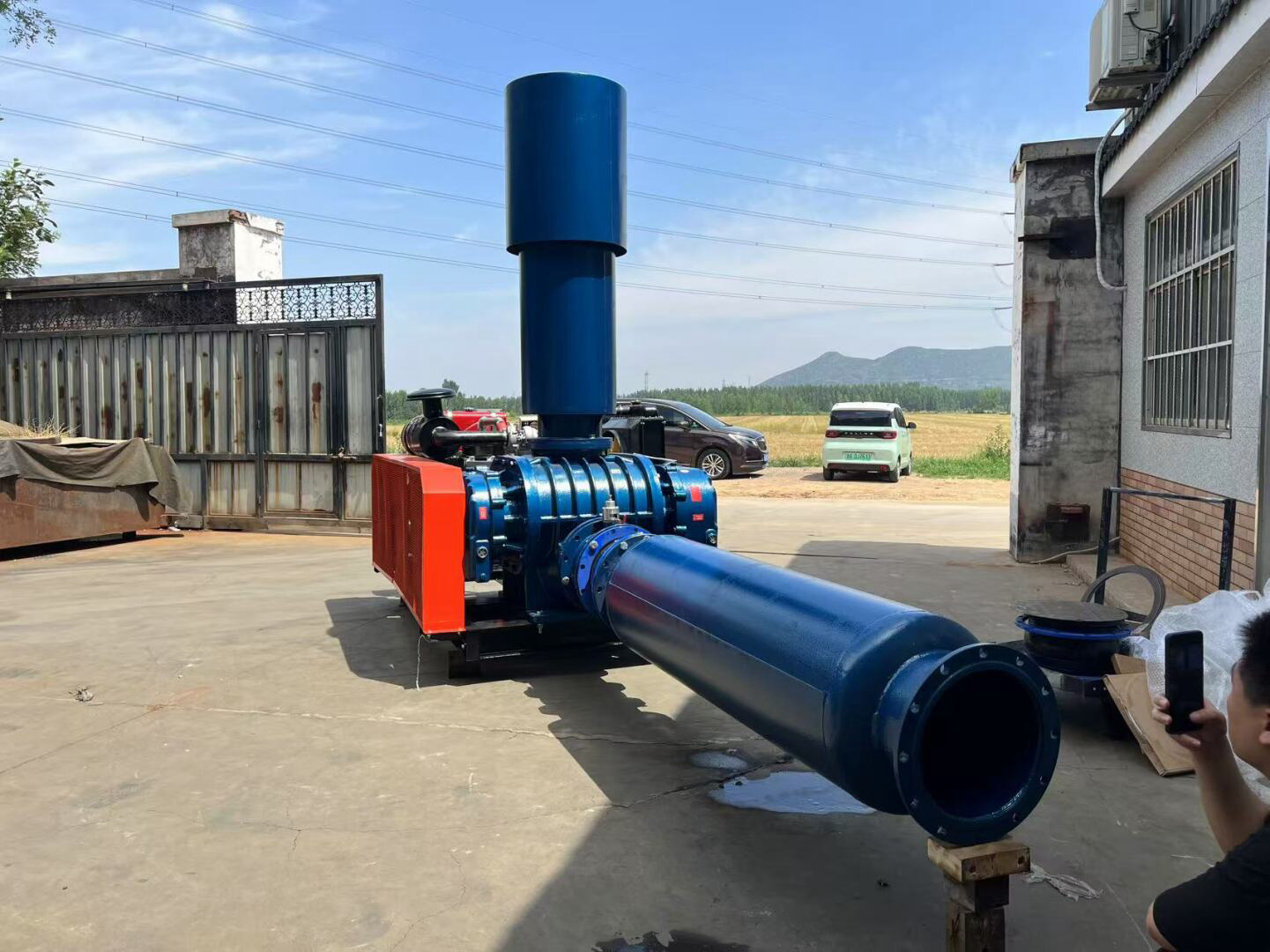
A roots blower vacuum pump represents one of the most efficient and reliable solutions in modern industrial vacuum system design requirements. These systems leverage positive displacement principles to deliver consistent performance across demanding applications. Understanding the advantages of this technology helps industrial operators make informed decisions about their vacuum infrastructure and operational efficiency.
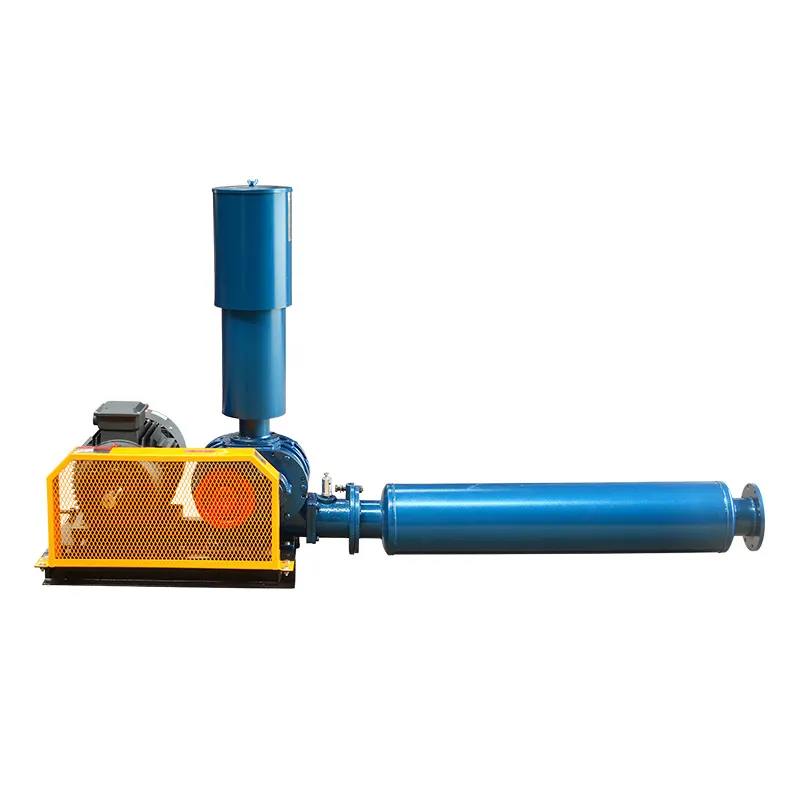
Roots blower systems differ fundamentally from traditional vacuum technologies due to their rotary lobe blower performance specifications and positive displacement architecture. This design enables superior handling of high-volume applications while maintaining operational stability. Industries ranging from food processing to pharmaceutical manufacturing depend on these systems to meet critical production demands and maintain product quality throughout their operations.
Superior Efficiency and Consistent Performance
How Rotary Lobe Blower Performance Specifications Drive Results
The rotary lobe blower performance specifications of roots systems provide exceptional volumetric efficiency compared to alternative technologies. Two rotating lobes work in synchronized harmony, trapping and transferring material or gas with minimal energy loss. This mechanical simplicity translates directly into lower power consumption and reduced operational costs, making roots blower vacuum pump technology economically advantageous for facilities running continuous production cycles.
Industrial vacuum system design requirements increasingly favor positive displacement vacuum pump applications because they deliver predictable, linear performance curves. As system demands fluctuate, roots blower performance remains stable without the efficiency drop-offs common in other vacuum technologies. This consistency proves invaluable for processes requiring precise vacuum levels throughout extended production runs.
Reliability Through Mechanical Simplicity
The straightforward design of rotary lobe blower systems minimizes mechanical complexity and failure points. Fewer moving components mean reduced maintenance intervals and lower total cost of ownership. Industrial facilities appreciate this reliability advantage, especially in applications where production downtime creates significant financial impact. The positive displacement vacuum pump applications across chemical processing, packaging, and material handling operations all benefit from this inherent mechanical robustness.
Versatility Across Industrial Applications
Positive Displacement Vacuum Pump Applications in Diverse Industries
Positive displacement vacuum pump applications span countless industrial sectors, demonstrating the remarkable adaptability of roots blower systems. In food and beverage manufacturing, these units handle delicate material transfer without degradation. Pharmaceutical producers rely on rotary lobe blower performance specifications to maintain sterile conditions during critical processes. Chemical plants utilize roots blower vacuum pump technology for solvent recovery and volatile material handling where other systems might prove insufficient.
The flexibility of industrial vacuum system design requirements has expanded considerably as manufacturers innovate rotary lobe blower configurations. Modern systems accommodate various gas types, moisture levels, and temperature ranges, making them suitable for nearly any demanding environment. This adaptability eliminates the need for multiple specialized vacuum systems, streamlining capital expenditure and facility planning.
Scalability and Capacity Range
Roots blower vacuum pump systems scale effectively from modest operations to massive industrial complexes. Manufacturers offer configurations spanning wide displacement ranges, allowing facilities to match equipment precisely to their volumetric demands. This scalability ensures that positive displacement vacuum pump applications remain economically justified regardless of facility size. Small batch processors gain access to the same robust technology trusted by large-scale manufacturers, democratizing industrial vacuum capabilities across the market.
Economic and Environmental Advantages
Energy Efficiency and Operational Cost Reduction
The rotary lobe blower performance specifications inherently promote energy conservation compared to competing vacuum technologies. The direct mechanical transfer mechanism requires minimal auxiliary energy input, translating to substantially lower electricity consumption. For facilities operating vacuum systems continuously, this efficiency compounds into remarkable annual energy savings. Industrial vacuum system design requirements increasingly emphasize sustainability, and roots blower vacuum pump technology directly addresses these environmental and financial concerns simultaneously.
Positive displacement vacuum pump applications typically demonstrate superior energy-to-output ratios, meaning operators achieve required vacuum levels using less power. This efficiency advantage persists across the system's operational lifespan, making roots technology particularly advantageous for long-term cost analysis and return-on-investment calculations.
Reduced Environmental Impact and Maintenance Efficiency
The mechanical design of rotary lobe blower systems generates minimal waste products and reduces environmental contamination risk. Positive displacement vacuum pump applications produce lower heat generation than many alternative technologies, decreasing cooling system demands. Industrial vacuum system design requirements increasingly incorporate sustainability metrics, and roots blower systems naturally align with these evolving expectations.
Extended service intervals between maintenance events reduce both labor requirements and spare parts consumption. This efficiency translates into lower operational overhead, fewer facility disruptions, and improved workforce scheduling flexibility. The cumulative environmental and economic benefits make roots blower vacuum pump systems increasingly attractive to sustainability-conscious industrial operators seeking long-term value.
FAQ
How does positive displacement differ from other vacuum pump technologies?
Positive displacement vacuum pump applications trap and mechanically move material or gas from one chamber to another, delivering consistent volumetric output regardless of pressure variations. This contrasts with dynamic vacuum technologies that rely on speed-dependent force transfer. The roots blower vacuum pump system maintains efficiency across wider operating ranges, making it ideal for industrial vacuum system design requirements where performance consistency proves critical to production quality.
What makes rotary lobe blower performance specifications superior for industrial applications?
Rotary lobe blower performance specifications excel through precise synchronization and minimal internal clearances that reduce slippage and energy loss. The two rotating lobes work in timed harmony to transfer material efficiently while maintaining predictable pressure relationships. Industrial facilities depend on these specifications to optimize process reliability and cost efficiency across continuous production cycles.
Can positive displacement vacuum pump applications handle diverse gas types and moisture conditions?
Modern roots blower vacuum pump systems accommodate a remarkably wide range of gases, moisture levels, and temperature conditions through design variations and material selections. Industrial vacuum system design requirements for chemical processing, food handling, and pharmaceutical applications all benefit from this adaptability. Manufacturers offer specialized configurations that address unique process demands while maintaining the core efficiency advantages inherent to positive displacement technology.