
 EN
EN
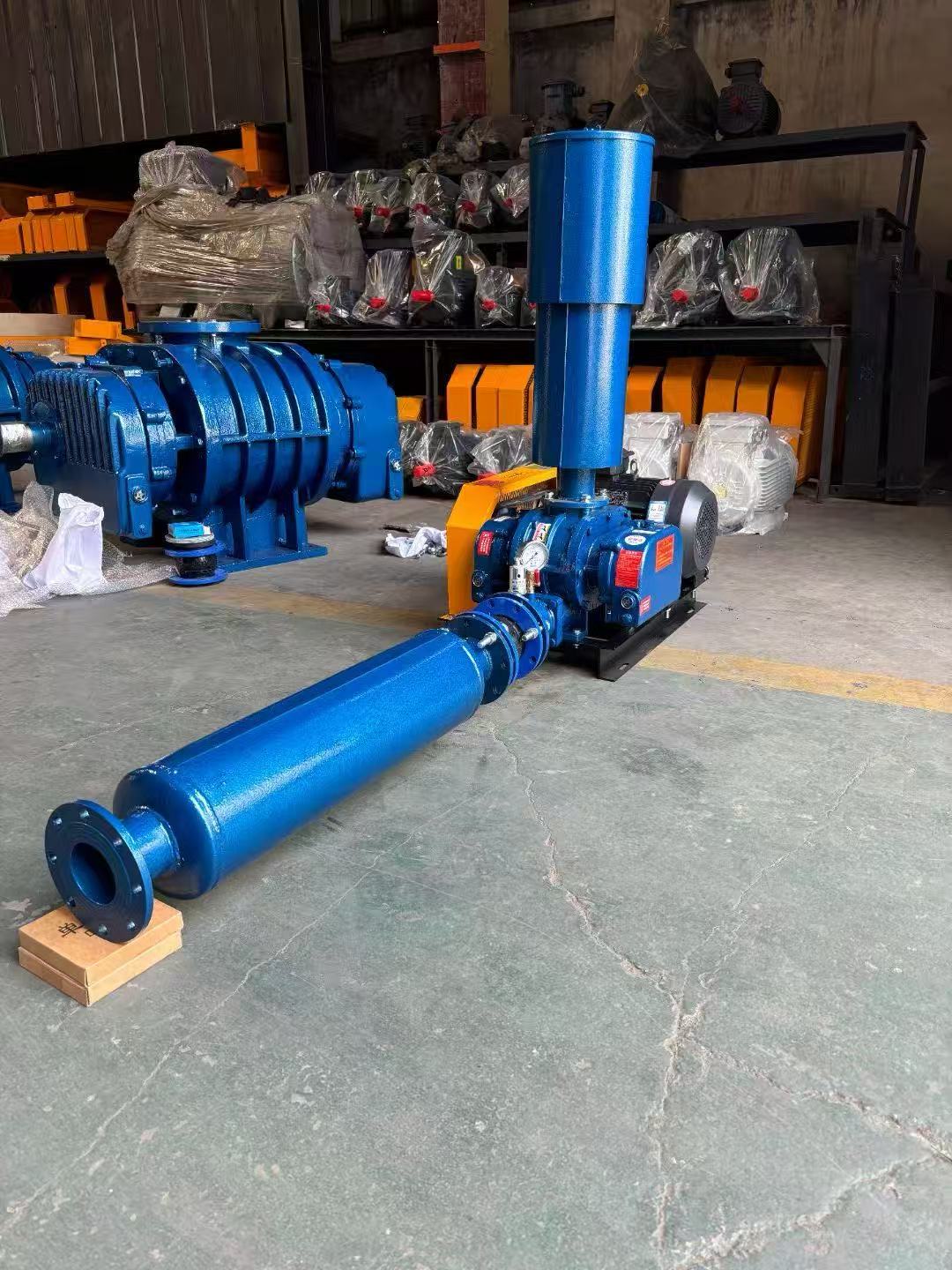
Purchasing a roots blower for sale represents a significant investment for industrial operations. Whether you manage wastewater treatment, pneumatic conveying, aeration systems, or aquaculture applications, understanding how to extract genuine value from your blower investment requires more than comparing price tags. Smart buyers evaluate the complete lifecycle value proposition, including equipment specifications, operational efficiency, maintenance requirements, and long-term performance reliability.
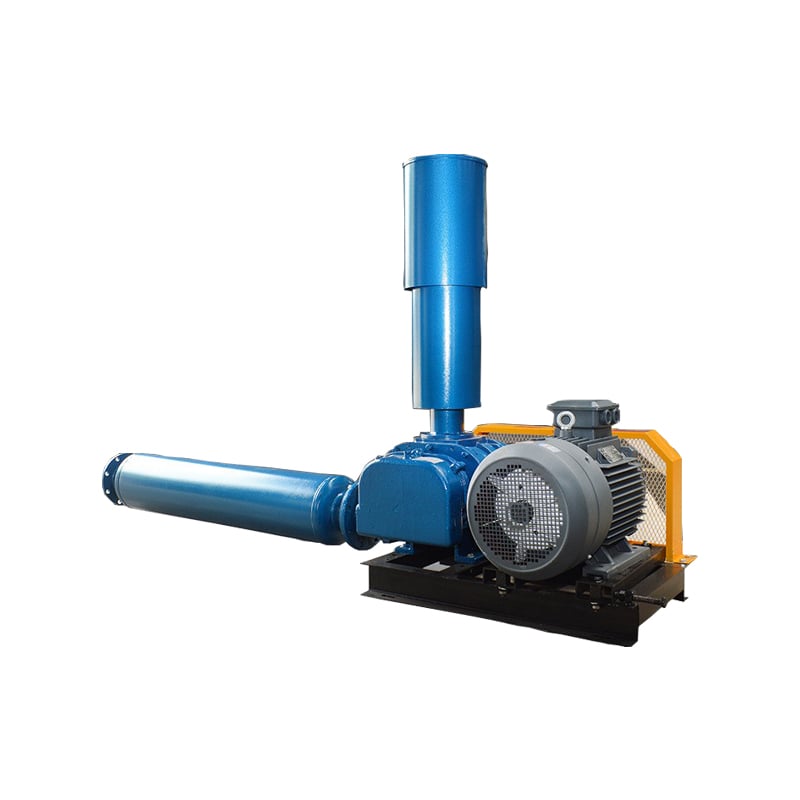
A roots blower for sale must be evaluated based on positive displacement blower specifications that match your exact operational demands. The acquisition decision should focus on total cost of ownership rather than initial purchase price alone. This strategic approach ensures that your chosen equipment delivers superior performance, lower operating costs, and extended service life throughout its deployment.
Understanding Positive Displacement Blower Specifications
Core Technical Parameters
Positive displacement blower specifications define how effectively a rotary lobe blower will perform in your specific application. The displacement volume, measured in cubic feet per minute at a standard RPM, directly impacts your system's capacity to handle required air or gas flow rates. Rotary lobe blower maintenance requirements become more predictable when you select equipment with specifications precisely matched to your operational profile rather than oversized or undersized alternatives.
Pressure rating represents another critical specification that determines whether equipment can sustain your system's back pressure demands. Industrial air pump applications vary widely—some require low-pressure high-volume flow for aeration, while others demand moderate pressure for pneumatic conveying. Understanding these distinctions prevents costly mistakes during procurement and ensures your investment delivers the performance level your processes require.
Matching Specifications to Your Process
The right positive displacement blower specifications enable seamless integration with existing infrastructure. When specifications align with your actual requirements, you avoid energy waste from oversized equipment and performance gaps from undersized alternatives. Industrial air pump applications benefit from precision matching because misaligned equipment generates excessive heat, accelerates wear patterns, and inflates operating costs significantly over the blower's lifespan.
Industrial Air Pump Applications and Operational Efficiency
Diverse Application Landscapes
Industrial air pump applications span wastewater treatment, aquaculture aeration, food processing pneumatic systems, vacuum conveying, and specialized manufacturing processes. Each application category imposes unique demands on equipment durability, pressure tolerance, and flow consistency. Understanding how industrial air pump applications function within your operation enables you to prioritize the specific positive displacement blower specifications that deliver maximum value.
Aquaculture facilities demonstrate this principle clearly. Fish farming systems require continuous, gentle aeration to maintain water quality, and the rotary lobe blower technology excels in this role because it delivers smooth, pulsation-free air flow. Conversely, pneumatic material handling systems may tolerate higher pressure pulses but demand greater flow volume. These distinctions illustrate why industrial air pump applications require careful specification alignment before purchasing roots blower for sale.
Energy Consumption and Operating Economics
Energy represents the largest operating expense for most blower systems, making efficiency a primary value driver. Industrial air pump applications with properly specified positive displacement blower specifications consume 30 to 40 percent less energy compared to mismatched alternatives operating at the same flow requirements. This efficiency advantage compounds throughout the equipment's lifespan, generating substantial cost savings that extend far beyond the initial purchase decision.
When evaluating roots blower for sale options, energy consumption characteristics should inform your selection as strongly as initial acquisition cost. A slightly more expensive unit with superior efficiency specifications may generate thousands of dollars in reduced energy bills annually. This calculation demonstrates why total cost of ownership outweighs the superficial appeal of selecting the lowest-priced option available.
Rotary Lobe Blower Maintenance and Long-Term Value Preservation
Preventive Maintenance Strategies
Rotary lobe blower maintenance and repair capabilities significantly influence your total investment value. Properly maintained equipment operates at peak efficiency, experiences fewer catastrophic failures, and sustains longer operational lifecycles. The maintenance access design, bearing quality, seal materials, and internal clearance specifications all affect how easily technicians can execute routine service and address emerging issues before they escalate into costly downtime events.
Buyers should specifically investigate rotary lobe blower maintenance requirements when comparing roots blower for sale options. Some units feature sealed bearings and simple external maintenance points that minimize service labor. Others require extensive disassembly to access internal components, amplifying maintenance costs and extending service downtime windows. These practical considerations directly impact the true cost of ownership and should inform your purchase decision substantially.
Component Durability and Repair Economics
Quality rotary lobe blower maintenance depends on component durability and repair part availability. Premium units utilize cast iron bodies that withstand thermal stress effectively, precision-machined lobes that maintain tight clearances, and high-grade seals that resist degradation from operating temperatures and materials. When these components eventually require replacement, positive displacement blower specifications that incorporate standard dimensions enable faster, more affordable part substitution.
Conversely, non-standard designs may force extended equipment downtime while specialized repair components are sourced and manufactured. This scenario transforms a roots blower for sale into a problematic investment that generates unexpected operational disruptions and mounting repair expenses. Prioritizing standardized positive displacement blower specifications ensures repair sustainability and protects your long-term value realization from hidden maintenance surprises.
FAQ
What positive displacement blower specifications matter most for my application?
The displacement volume, pressure rating, and RPM specifications must align precisely with your flow rate and pressure requirements. Industrial air pump applications vary significantly, so consult your process engineer to calculate exact specifications needed. Selecting equipment with specifications that exceed requirements generates unnecessary energy expenses, while undersized specifications cause performance failures and potential system damage. When purchasing roots blower for sale, demand specification documentation that supports your calculated requirements rather than accepting generic recommendations.
How does rotary lobe blower maintenance affect long-term value?
Regular rotary lobe blower maintenance and repair extends equipment lifespan and sustains operational efficiency at peak levels. Scheduled bearing lubrication, seal inspection, and thermal management prevent premature component failure and reduce catastrophic downtime risk. Equipment with accessible maintenance points and standard component designs generates lower service costs compared to specialized alternatives. When evaluating roots blower for sale options, investigate maintenance accessibility and parts availability as carefully as initial price, because these factors significantly influence total cost of ownership throughout the equipment's operational life.
Can positive displacement blower specifications help reduce energy consumption?
Yes, properly matched positive displacement blower specifications minimize energy waste by eliminating oversizing inefficiencies. When your industrial air pump applications operate with equipment sized precisely to requirement, the motor consumes only necessary power and generates minimal wasted heat. This efficiency advantage accumulates substantially over months and years of operation. Buyers should compare annual energy consumption estimates across roots blower for sale options under your specific operating profile, as this calculation often reveals that investing slightly more in a higher-efficiency unit generates faster payback through reduced operating costs compared to cheaper alternatives with lower efficiency ratings.