
 EN
EN
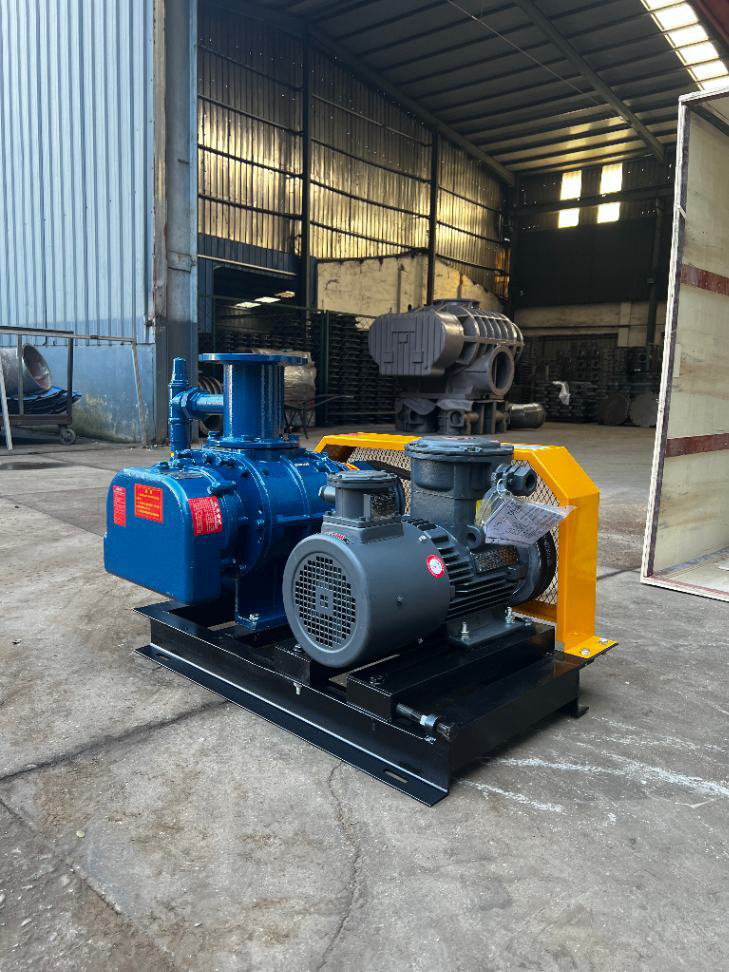
Selecting the right roots blower for sale requires careful evaluation of multiple technical and operational factors. Unlike generic air compressors, positive displacement blower specifications vary significantly in performance capacity, efficiency ratings, and suitability for specific industrial applications. Making an informed purchasing decision means understanding which features directly impact your operational requirements, total cost of ownership, and long-term reliability. This guide walks through the essential comparison criteria that separate an appropriate selection from a costly mismatch.
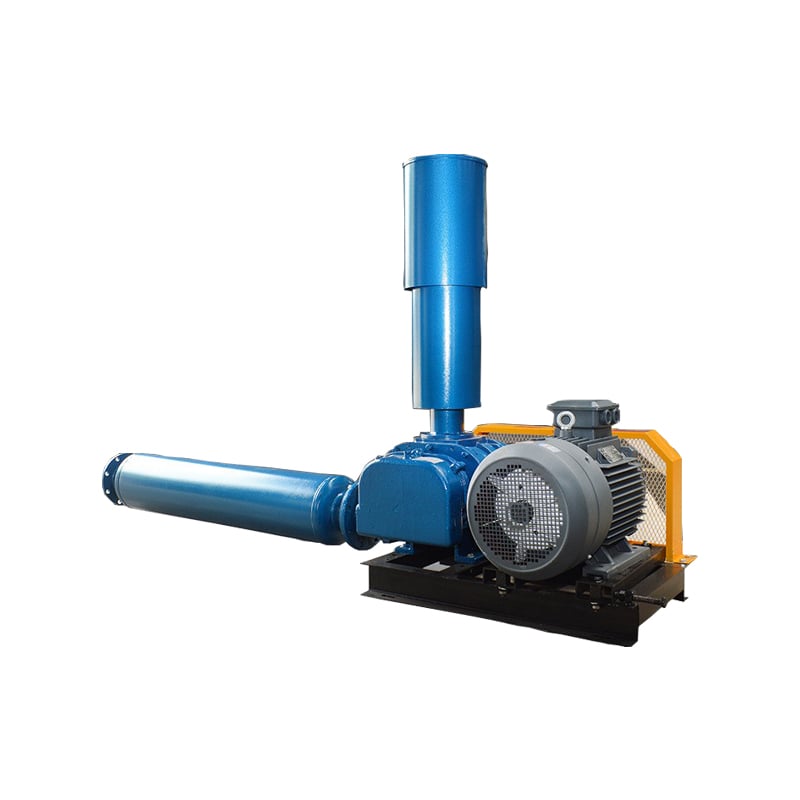
The industrial air compressor applications landscape has evolved significantly, with rotary lobe blowers becoming the preferred choice for processes demanding consistent, oil-free airflow and precise pressure regulation. Whether you operate in wastewater treatment, aquaculture, pneumatic conveying, or food processing, the specifications you prioritize directly determine equipment lifespan and production efficiency. Understanding positive displacement blower specifications ensures you invest in a unit that matches your facility's actual demand rather than oversizing or undersizing your purchase.
Understanding Positive Displacement Blower Specifications
Flow Rate and Pressure Capacity
Flow rate, measured in cubic feet per minute (CFM) or cubic meters per hour (m³/h), represents the volume of air a positive displacement blower specifications unit delivers. This metric is foundational when evaluating any industrial air compressor applications scenario. A blower rated for 100 CFM at 5 PSI will perform differently than one rated for 150 CFM at 10 PSI, even if both carry the 'roots blower for sale' label. Your actual requirement depends on your process demand, duration of operation, and acceptable pressure fluctuations. Oversizing increases energy consumption and capital cost; undersizing causes insufficient performance and equipment strain.
Rotational Speed and Efficiency Ratings
Rotational speed, typically expressed in RPM, affects noise levels, heat generation, and energy efficiency across industrial air compressor applications. Slower-running units generally operate quieter and generate less heat, extending service life and reducing cooling requirements. Efficiency ratings reveal how much electrical input converts to useful airflow versus wasted heat. Modern rotary lobe blower maintenance costs are partially influenced by operating temperature and mechanical stress, both tied directly to RPM selection. Comparing efficiency curves across vendor datasheets helps identify which positive displacement blower specifications models offer the best energy-to-output ratio for your specific pressure and flow combination.
Critical Performance Considerations for Industrial Applications
Material Construction and Durability
Casing materials, impeller composition, and bearing specifications determine how well a roots blower for sale withstands corrosive environments, temperature extremes, and continuous operation. Ductile iron casings provide strength and thermal stability, while stainless steel components resist corrosion in humid or chemical-adjacent settings. Rotary lobe blower maintenance costs escalate rapidly when material degradation necessitates premature component replacement or seal failures. Examining positive displacement blower specifications related to material composition protects against hidden long-term expenses and operational downtime. Industrial air compressor applications in harsh environments—such as aquaculture facilities or wastewater treatment plants—demand upgraded material choices that justify higher initial purchase prices through extended service intervals.
Vibration and Noise Emission Levels
Vibration isolation, impeller balancing precision, and acoustic dampening directly impact workplace safety and operational costs. High vibration stresses bearings and seals, accelerating rotary lobe blower maintenance costs and requiring more frequent service visits. Noise levels above facility thresholds may necessitate expensive soundproofing installations or relocation of equipment. Comparing decibel ratings and vibration specifications across candidate units reveals which positive displacement blower specifications models integrate superior noise reduction engineering. Industrial air compressor applications in office-adjacent or noise-sensitive zones require particular attention to this feature comparison.
Total Cost of Ownership and Maintenance Requirements
Energy Consumption and Operating Efficiency
Energy cost represents the largest lifetime expense for any blower installation. A roots blower for sale with superior efficiency ratings reduces monthly electricity consumption, often offsetting higher initial purchase price within 12–24 months of operation. Comparing positive displacement blower specifications across different manufacturers reveals power draw variations for identical flow-pressure combinations. Running an inefficient unit 8 hours daily compounds energy waste annually into thousands of dollars in unnecessary cost. Industrial air compressor applications with extended operating schedules make energy efficiency a strategic purchasing criterion rather than a secondary consideration.
Service Interval Duration and Spare Parts Availability
Rotary lobe blower maintenance costs depend heavily on how frequently service is required and whether replacement components are readily available. A unit requiring service every 1,000 hours generates substantially different lifetime costs than one requiring service every 2,500 hours. Availability of spare parts from authorized distributors or cross-compatible suppliers affects downtime risk and emergency repair costs. Verifying positive displacement blower specifications documentation and discussing maintenance schedules with vendors prevents surprise expenses later. Industrial air compressor applications benefit from purchasing units where service networks exist locally, reducing troubleshooting delays and parts procurement time.
FAQ
What pressure range do roots blowers typically operate within?
Roots blowers typically operate between 3–20 PSI for standard positive displacement blower specifications, though specialized models handle higher pressures. Most industrial air compressor applications use blowers in the 5–15 PSI range for pneumatic conveying, aeration, and gas handling. Applications exceeding 20 PSI may require screw compressors or centrifugal units instead. When comparing a roots blower for sale, confirm that the pressure rating matches your actual system requirement, as oversizing pressure capacity increases cost unnecessarily.
How do rotary lobe blower maintenance costs compare to other compressor types?
Rotary lobe blower maintenance costs are generally lower than screw compressor maintenance due to fewer moving parts and simpler seal designs. Positive displacement blower specifications for roots units typically include simpler bearing assemblies compared to oil-flooded alternatives. Industrial air compressor applications benefit from straightforward maintenance schedules—filter changes, seal inspections, and bearing lubrication—without complex oil management. However, total ownership cost includes energy consumption, which may be higher for rotary lobe designs operating at identical flow-pressure compared to optimized screw units.
Should positive displacement blower specifications differ for aquaculture versus wastewater applications?
Yes, positive displacement blower specifications should reflect application-specific demands. Aquaculture requires consistent, pulsation-free airflow to prevent fish stress and maintain dissolved oxygen levels, favoring three-lobe impeller designs. Wastewater treatment prioritizes higher pressure capacity and intermittent duty cycling, sometimes benefiting from two-lobe designs. Industrial air compressor applications in each sector have distinct requirements for material corrosion resistance and pressure profile. When evaluating a roots blower for sale, confirm that the unit specification sheet documents suitability for your exact application rather than assuming one model works universally.