
 EN
EN
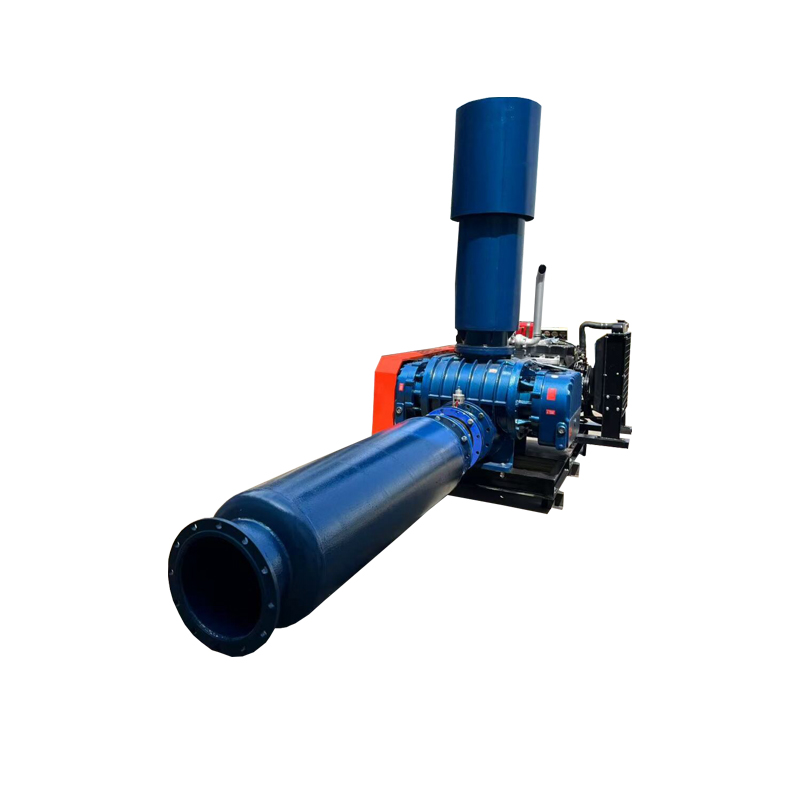
Grain processing plants operate under constant pressure to maximize throughput while minimizing operational costs and safety risks. A pneumatic grain conveyor upgrade represents one of the most impactful investments a facility can make to transform its material handling capabilities. Modern pneumatic conveyor system design fundamentally changes how grain moves through your plant, eliminating bottlenecks and reducing labor intensity while enhancing product quality and worker safety.
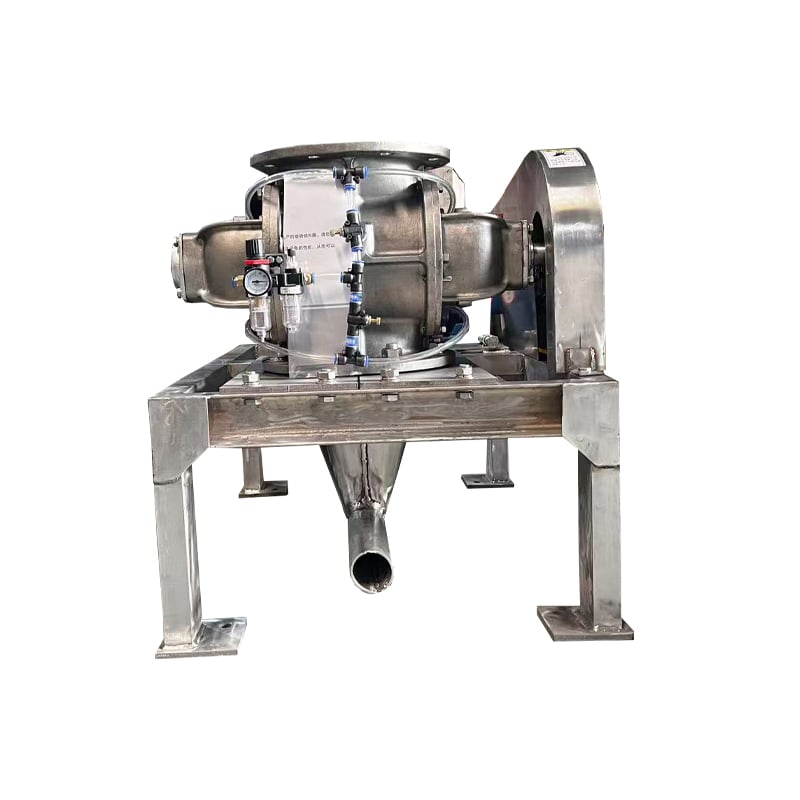
Grain handling equipment efficiency directly impacts your bottom line, affecting both direct operational costs and indirect factors like equipment maintenance schedules and product loss during transfer. Older conveying systems often rely on mechanical belts or bucket elevators that require frequent replacement, create contamination risks, and demand significant floor space. A strategic upgrade to pneumatic technology addresses these pain points comprehensively, delivering measurable returns within the first operational year.
Enhanced Throughput and Production Efficiency
Maximizing Grain Flow Capacity
Pneumatic conveyor system design enables grain to move faster and more consistently than traditional mechanical methods. The air pressure conveyor technology propels material through enclosed pipes at controlled velocities, eliminating the dead spots and spillage associated with exposed belt systems. For facilities processing thousands of tons daily, this translates to significantly higher volumes moving through the same footprint. Modern pneumatic grain conveyor systems can be configured to operate continuously without operator intervention, reducing labor requirements while maintaining steady output.
Continuous Operation and Reduced Downtime
Traditional grain handling equipment requires frequent stops for cleaning, maintenance, and material bridging issues. A well-designed pneumatic conveyor system minimizes these interruptions through sealed transportation that prevents product settling and eliminates jamming hazards. When air pressure conveyor troubleshooting becomes necessary, most issues can be diagnosed and resolved quickly because the system architecture is modular and accessible. Equipment longevity improves dramatically, with fewer replacement parts needed annually compared to mechanical conveyors that wear continuously under load.
Cost Reduction and Operational Savings
Lower Labor and Maintenance Expenses
Grain handling equipment efficiency gains translate directly into labor cost reductions. Pneumatic grain conveyor systems operate with minimal supervision once properly configured, whereas mechanical systems demand constant attention and adjustment. Maintenance spending drops significantly because there are no moving mechanical components like belts, bearings, or chains to wear and replace. The sealed design of pneumatic conveyor system design eliminates contamination events that would otherwise halt production for cleaning. Annual maintenance budgets for plants with upgraded systems typically decrease by twenty to forty percent within two years.
Energy Optimization and Power Consumption
Although pneumatic systems require air compressor power, modern designs use variable frequency drive compressors that adjust output to actual demand rather than running continuously at full capacity. Air pressure conveyor troubleshooting often reveals that energy consumption is lower than anticipated because optimized system design minimizes pressure losses and inefficient air usage. Many facilities discover that their existing compressor capacity can support a new pneumatic grain conveyor installation alongside other plant systems, avoiding costly infrastructure upgrades. Strategic scheduling of conveying operations during off-peak energy hours further enhances cost performance.
Product Quality and Safety Improvements
Eliminating Contamination and Product Damage
Closed-loop pneumatic grain conveyor technology protects product integrity throughout the transfer process. Unlike mechanical systems where grain may be exposed to weather, pests, or cross-contamination from previous batches, pneumatic conveyor system design maintains sealed conditions from loading to discharge. Grain damage from mechanical crushing or impact is virtually eliminated, preserving nutritional content and market grade. For premium grain varieties or organic certification programs, these quality improvements open access to higher-value market segments where product purity commands premium pricing.
Workplace Safety and Regulatory Compliance
Grain dust explosions represent a significant industrial hazard in processing facilities. Pneumatic grain conveyor systems eliminate airborne dust generation that occurs with belt and bucket systems, dramatically reducing explosion risk and improving air quality for workers. The enclosed design also prevents personnel from contacting moving equipment, reducing accident potential. Facilities with upgraded pneumatic conveyor systems typically see improved OSHA compliance records and lower insurance premiums. Air pressure conveyor troubleshooting protocols are simpler and safer because technicians never need to enter confined spaces or work around rotating machinery.
FAQ
What is the typical payback period for upgrading to a pneumatic grain conveyor system?
Most grain processing plants realize full investment recovery within eighteen to thirty-six months through reduced labor costs, decreased maintenance spending, and improved product yields. The specific timeline depends on facility size, current equipment age, and operational volume. Larger facilities with higher throughput and aging equipment typically achieve faster payback because the efficiency gains compound across greater material volumes.
How does air pressure conveyor troubleshooting differ from maintaining mechanical conveyor systems?
Pneumatic conveyor system design simplifies troubleshooting because issues are usually related to compressor settings, valve calibration, or line blockages rather than mechanical wear. Diagnostics can be performed without shutting down the system completely, and most adjustments are made through control panels rather than physical mechanical work. Technicians need different training focused on pneumatic principles rather than mechanical repair, making maintenance faster and more predictable.
Can an existing grain processing plant integrate a pneumatic grain conveyor upgrade without major facility modifications?
Most modern pneumatic conveyor system design approaches allow retrofitting into existing facilities with minimal structural changes. Systems can be routed vertically along existing walls or horizontally through overhead space, avoiding costly foundation work or building expansion. Many plants successfully add pneumatic grain conveyor technology to complement rather than replace existing equipment during transition periods, allowing staged implementation that spreads capital expenses across multiple budget years.
Table of Contents
- Enhanced Throughput and Production Efficiency
- Cost Reduction and Operational Savings
- Product Quality and Safety Improvements
-
FAQ
- What is the typical payback period for upgrading to a pneumatic grain conveyor system?
- How does air pressure conveyor troubleshooting differ from maintaining mechanical conveyor systems?
- Can an existing grain processing plant integrate a pneumatic grain conveyor upgrade without major facility modifications?