
 EN
EN
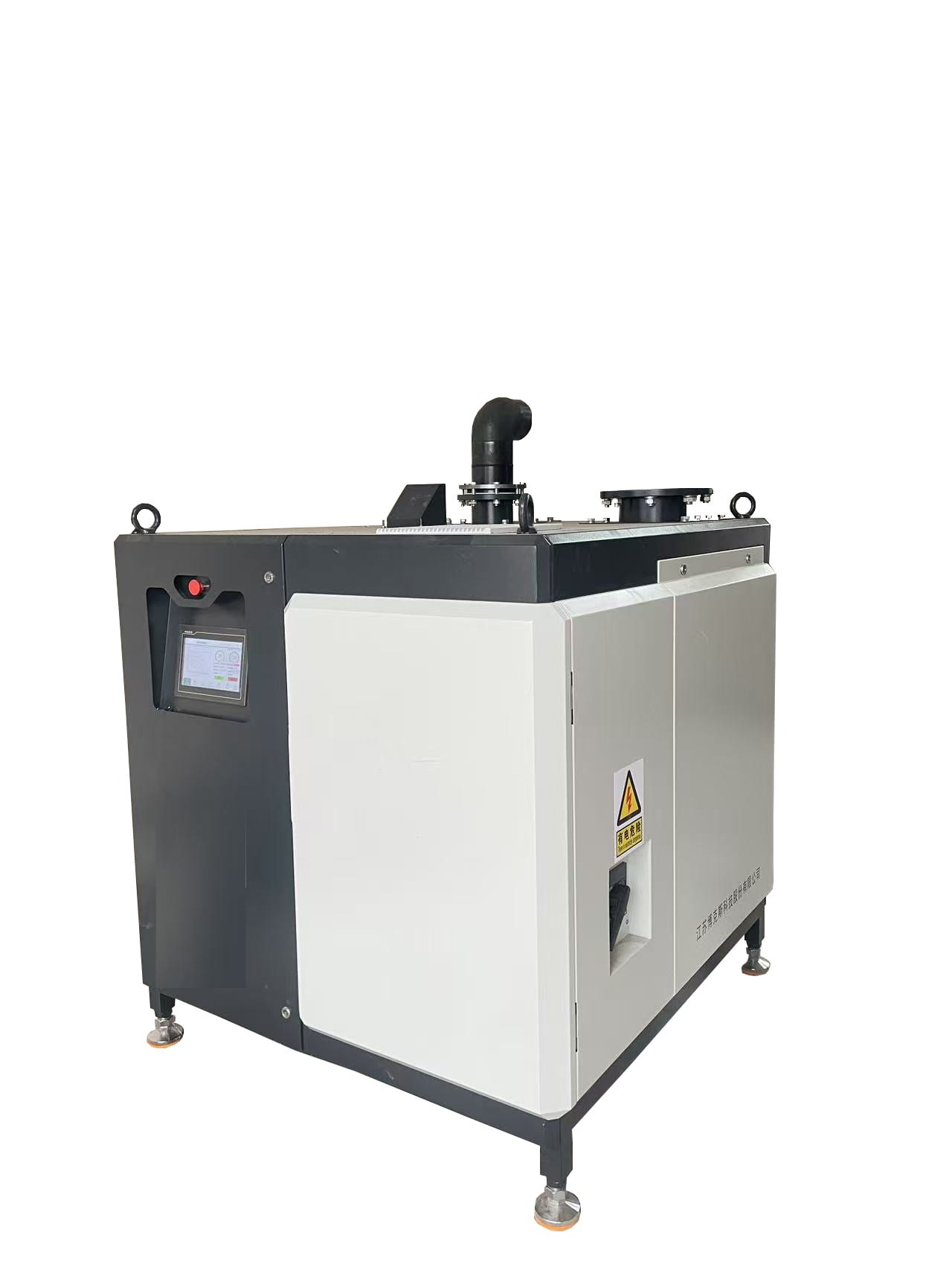
A pneumatic grain conveyor represents a critical technology in modern agricultural and industrial operations, enabling the safe, efficient movement of bulk materials across facilities without direct human contact. These systems use compressed air to transport grain and other bulk commodities through enclosed pipelines, eliminating dust exposure and contamination risks that plague traditional mechanical conveyors. The design inherently protects product quality while maintaining worker safety, making it an essential investment for grain handling operations.
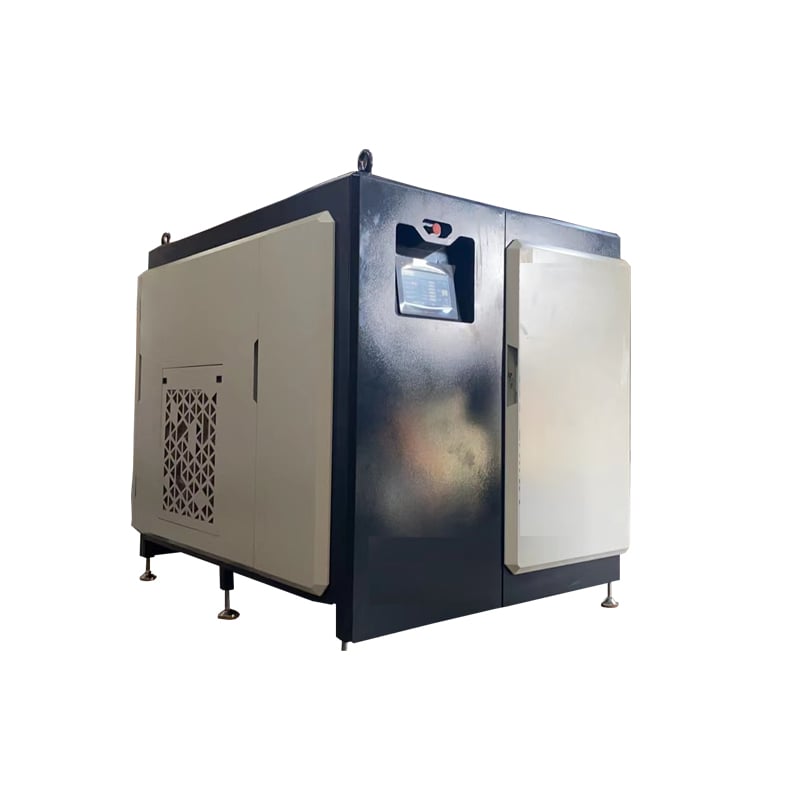
The mechanics behind pneumatic grain conveyor systems rely on controlled air pressure to suspend and move materials through closed pathways, fundamentally different from belt or screw conveyors that rely on mechanical friction. This enclosed approach transforms grain handling system efficiency by minimizing product degradation, reducing waste, and lowering energy consumption compared to open systems. Organizations across milling, feed production, and grain trading increasingly adopt these systems because they deliver both operational safety and measurable cost benefits over facility lifespans.
How Pneumatic Grain Conveyor Technology Ensures Material Safety
Enclosed Transport Eliminates Contamination and Dust Exposure
The enclosed design of a pneumatic grain conveyor fundamentally changes how bulk grain transport equipment specifications are approached. Unlike open conveyors where grain travels on exposed belts, pneumatic systems contain materials within sealed pipes from intake to discharge. This architecture prevents external contamination, eliminates airborne dust that poses respiratory hazards, and protects grain from weather exposure or pest intrusion during movement. Workers maintain safer environments with reduced dust inhalation risks, directly supporting occupational health standards and regulatory compliance across industrial facilities.
Pressure Control and Material Flow Regulation
Pneumatic conveyor maintenance and troubleshooting begins with understanding how pressure differential drives material movement safely and predictably. The system maintains consistent air velocity through the conveyor pipeline, preventing material settling, segregation, or bridging that can halt conventional mechanical systems. Operators regulate flow rates and pressures through control valve settings, ensuring grain moves at optimal speeds that minimize product damage while maximizing throughput. This precision control distinguishes pneumatic systems from gravity-fed or belt-driven alternatives, offering superior reliability for sensitive grain varieties and specialty agricultural products.
Optimizing Grain Handling System Efficiency Through Pneumatic Technology
Energy Consumption and Operational Cost Benefits
Grain handling system efficiency directly correlates with the pneumatic grain conveyor design because these systems optimize energy usage by eliminating friction-based mechanical resistance. Compressed air delivers materials at lower overall energy requirements compared to belt conveyors pulling heavy loads or screw systems grinding through resistance. Modern systems incorporate variable frequency drives and pressure regulators that adjust air supply based on actual material flow demands, reducing power consumption during low-throughput periods. Facilities report measurable reductions in operational costs, typically 15 to 30 percent compared to traditional mechanical conveyors handling equivalent volumes over multiple years of operation.
Increased Throughput and Material Integrity
The enclosed nature of pneumatic conveyor maintenance and troubleshooting strategies reveals how system design protects product quality throughout transport cycles. Unlike mechanical systems where grain repeatedly impacts metal surfaces, pneumatic transport suspends materials within a gentle air stream that minimizes kernel breakage and dust generation. This gentler handling preserves product quality for milling operations, seed applications, and specialty grain markets where damage directly reduces market value. Operators achieving higher throughput without sacrificing grain quality extend the competitive advantage of pneumatic systems across agricultural supply chains.
Bulk Grain Transport Equipment Specifications and Maintenance Requirements
System Component Design and Performance Standards
Understanding bulk grain transport equipment specifications requires evaluating the interconnected components that define pneumatic system capabilities. Pressure vessels, conveyor tubes, air separation chambers, and control systems must meet industry standards and equipment ratings that ensure safety and performance reliability. Diameters typically range from two to six inches for different grain types and flow requirements, with operating pressures between 2 and 10 pounds per square inch depending on distance and material characteristics. Manufacturers specify material compatibility, maximum throughput ratings, and pressure drop calculations that determine whether a given system suits facility requirements and grain varieties.
Preventive Maintenance and Troubleshooting Protocols
Pneumatic conveyor maintenance and troubleshooting frameworks establish systematic approaches to ensuring long-term reliability and safety across operational periods. Regular inspection of seals, pipe connections, and control valves prevents air leaks that reduce system efficiency and increase energy consumption. Operators monitor pressure readings and flow indicators to identify developing problems before complete system failure occurs. Cleaning schedules address residue buildup in pipes and separators, maintaining consistent performance and preventing material contamination. Facilities that implement comprehensive pneumatic conveyor maintenance and troubleshooting programs achieve availability rates exceeding 95 percent, dramatically reducing unplanned downtime compared to reactive repair approaches.
FAQ
What makes pneumatic grain conveyor systems safer than mechanical alternatives?
Pneumatic grain conveyor systems eliminate rotating belts, exposed transfer points, and mechanical pinch hazards that characterize belt and screw conveyor risks. The enclosed design contains materials safely within sealed pipelines, preventing dust exposure and contamination hazards. Pressure relief systems and automatic shutoff mechanisms provide additional safety layers that protect personnel from unexpected equipment failures. These features collectively create fundamentally safer grain handling environments compared to open or partially exposed mechanical systems.
How does pneumatic conveyor maintenance and troubleshooting differ from mechanical system maintenance?
Pneumatic conveyor maintenance and troubleshooting focus on air system integrity, pressure regulation, and seal conditions rather than belt tension, bearing lubrication, and chain alignment required by mechanical systems. Compressed air maintenance emphasizes moisture removal, pressure regulation, and pipeline cleaning instead of mechanical wear components. Diagnostic protocols involve pressure gauges, flow meters, and acoustic monitoring rather than vibration analysis or visual wear inspection. These differences result in lower overall maintenance labor requirements and more predictable maintenance scheduling for pneumatic systems across operational periods.
What grain handling system efficiency improvements can facilities expect from pneumatic conveyors?
Grain handling system efficiency improvements through pneumatic conveyor adoption typically include 15 to 30 percent energy consumption reductions, improved product quality through gentler transport, and reduced downtime through more reliable operation compared to mechanical alternatives. Dust elimination reduces cleanup labor and improves air quality within facilities. Higher throughput capabilities with lower product damage rates generate significant cumulative benefits across annual operations. ROI calculations for pneumatic system conversion frequently show payback periods of three to five years for facilities with substantial grain handling volumes.